The virtual closure of the Strait of Hormuz, following the attacks in Iran during the Third Gulf War, has skyrocketed demand for alternative routes. The Panama Canal has seen an 11% increase in overall transit, with peaks of 20% on critical days. The urgency to move goods has led a shipping company to pay $4 million in an auction just to skip the line.
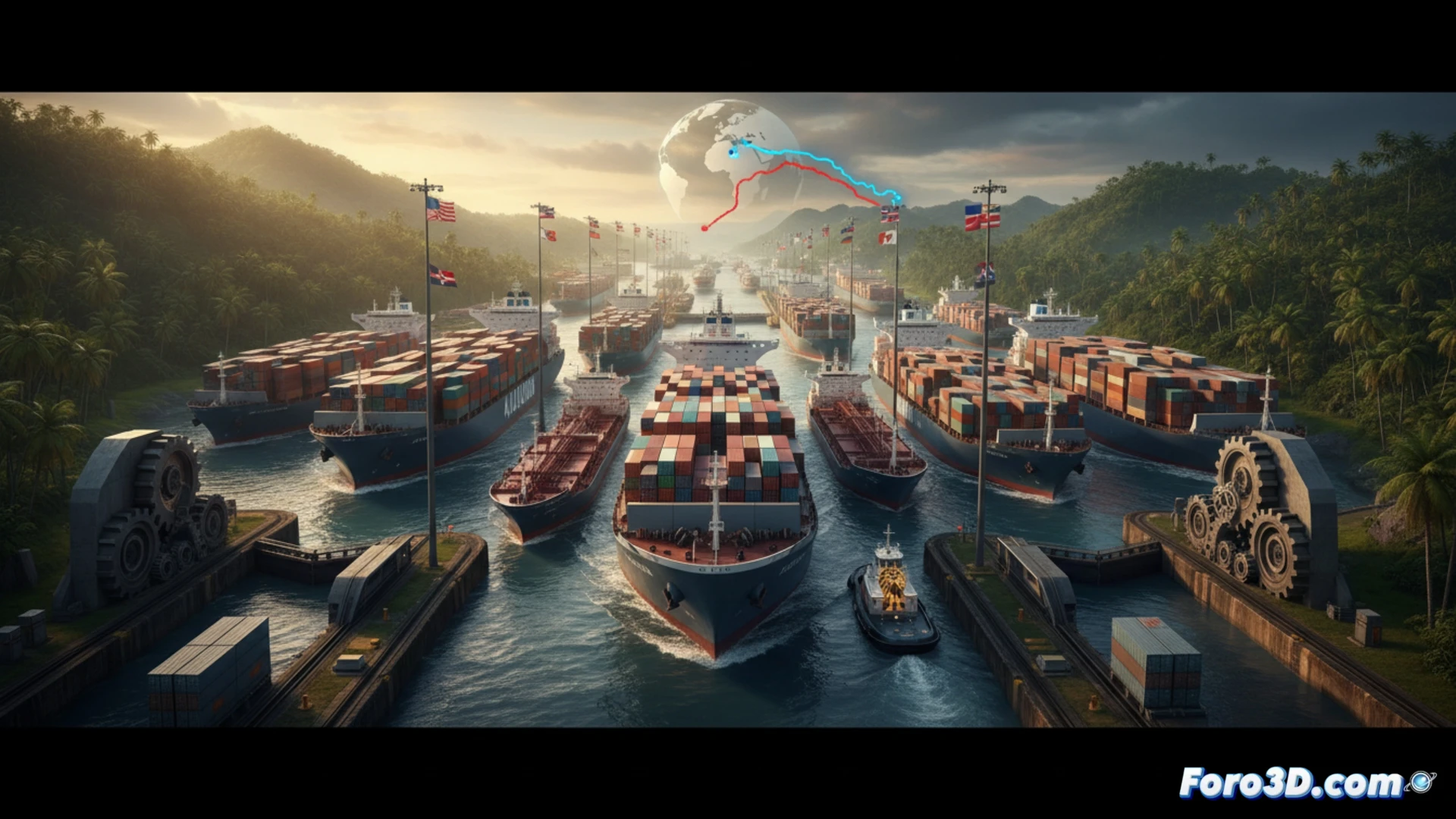
The logistics engineering behind the transit boom 🚢
Faced with saturation, the Canal Authority has activated efficiency protocols to manage the additional flow. The neopanamax lock system operates at near maximum capacity, prioritizing vessels with high-value cargo. The slot auction, a digital mechanism that assigns schedules to the highest bidder, has seen record bids. This system allows optimizing freshwater use and reducing bottlenecks, although it makes passage more expensive.
Paying $4 million not to wait: the new maritime normal 💰
While the world worries about missiles and oil, a shipping company dropped $4 million just to say me first at the Canal. At that price, the journey is no longer a toll, but a VIP ticket to a cargo concert. The funny thing is, with those figures, we might soon see a container traveling in a limousine. At least the line got shorter for those with a fat checkbook.