That a large corporation uses a creator's work without permission is not a mistake, it's a decision. Technology has become the perfect excuse to strip artists of their livelihood and dignity. This practice reveals a corporate hypocrisy that prioritizes cost savings over labor ethics and human creativity.
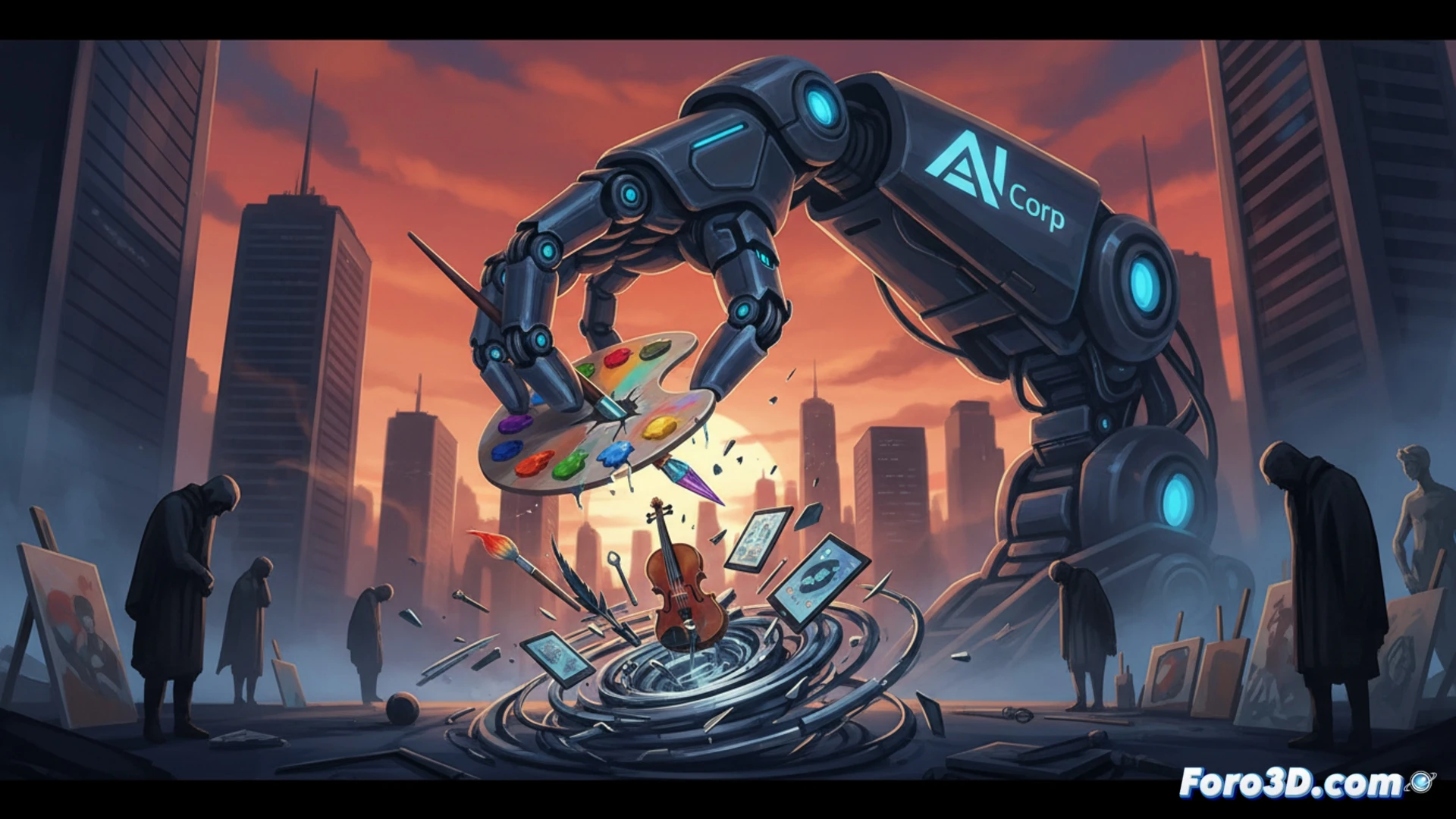
Clear regulation against automated exploitation 🛡️
The solution lies in regulation that requires express consent and fair compensation for any use of original works in artificial intelligence. Without these rules, algorithms feed on others' data without consequences. Current generative models, such as those based on diffusion or transformers, do not distinguish between inspiration and theft; their massive training with protected content requires a legal framework that protects creators' rights against automated exploitation.
AI learns to draw, but not to pay for coffee ☕
It's curious that a machine that consumes terabytes of others' art doesn't have a bank account to pay royalties. Meanwhile, companies wax lyrical about innovation, but when it's time to open their wallets, artificial intelligence suddenly becomes selective. Perhaps the next model should be trained on lawyers' invoices to understand the concept of intellectual property.