The progressive phase-out of nuclear energy has left power grids in a delicate position. Without that constant baseload, systems rely more on intermittent renewables and fossil fuels. The result is greater exposure to sudden blackouts and price spikes that punish both industries and households. The energy transition, though necessary, comes with stability costs that are paid for on the bill.
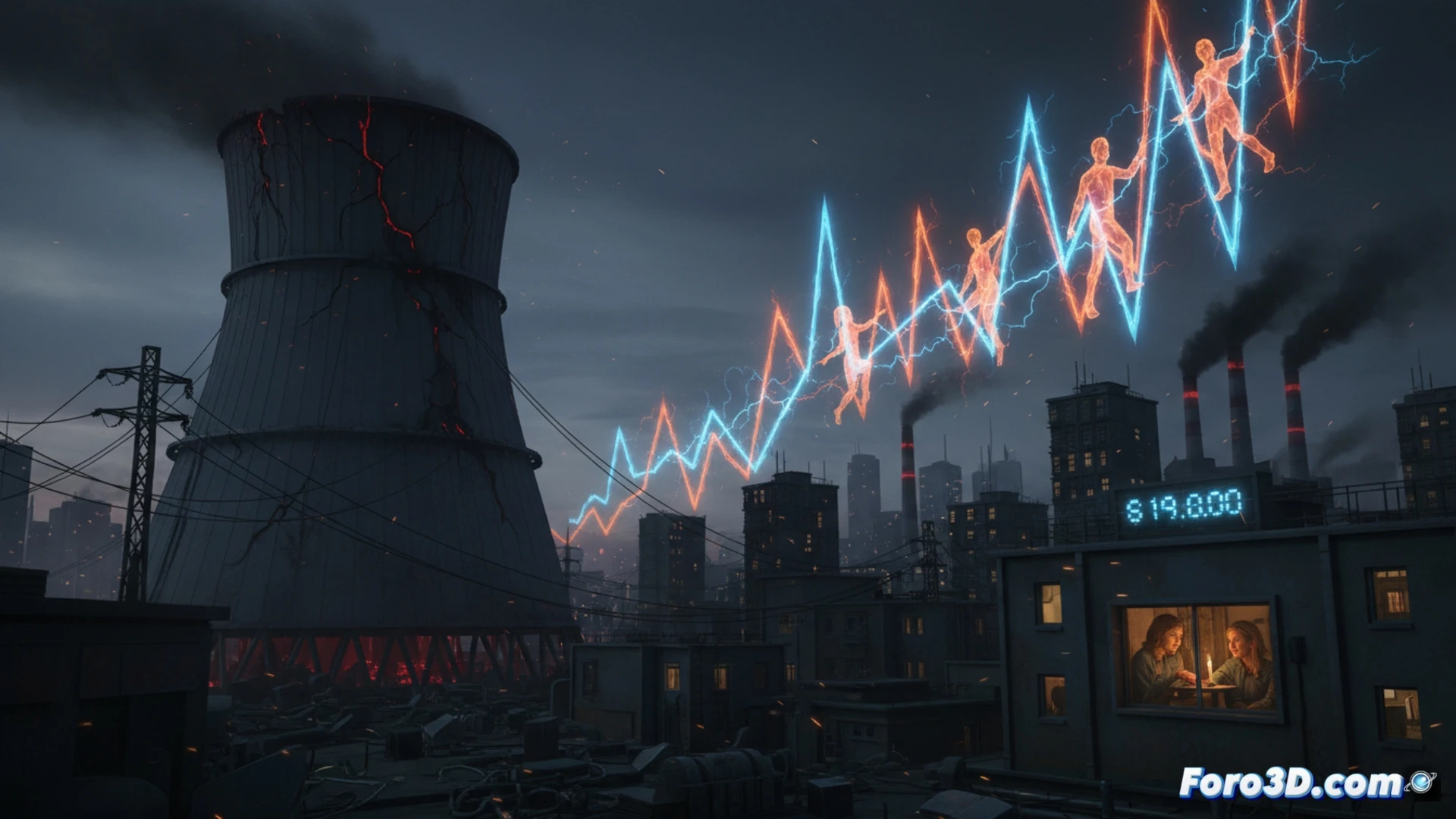
How the lack of baseload strains technical infrastructure ⚡
Modern grid technology is not designed to absorb extreme fluctuations without firm backup. Without nuclear reactors operating at 90% capacity, operators must resort to combined-cycle gas plants or massive battery storage. This increases the complexity of load balancing and drives up operational costs. Predictive control systems face demand scenarios that were once manageable and now require constant adjustments to avoid collapses.
Shut down nuclear, fire up the neighbor's gadget 😅
It turns out that closing nuclear plants is like removing the pillar of a building and expecting curtains to hold it up. Now, when the wind blows or it gets cloudy, the grid trembles and prices skyrocket as if there were an electron auction. Meanwhile, power companies hold meetings to figure out how to spread the cost of the spikes without it showing too much on the bill. The market laughs, but the user's wallet doesn't get the joke.