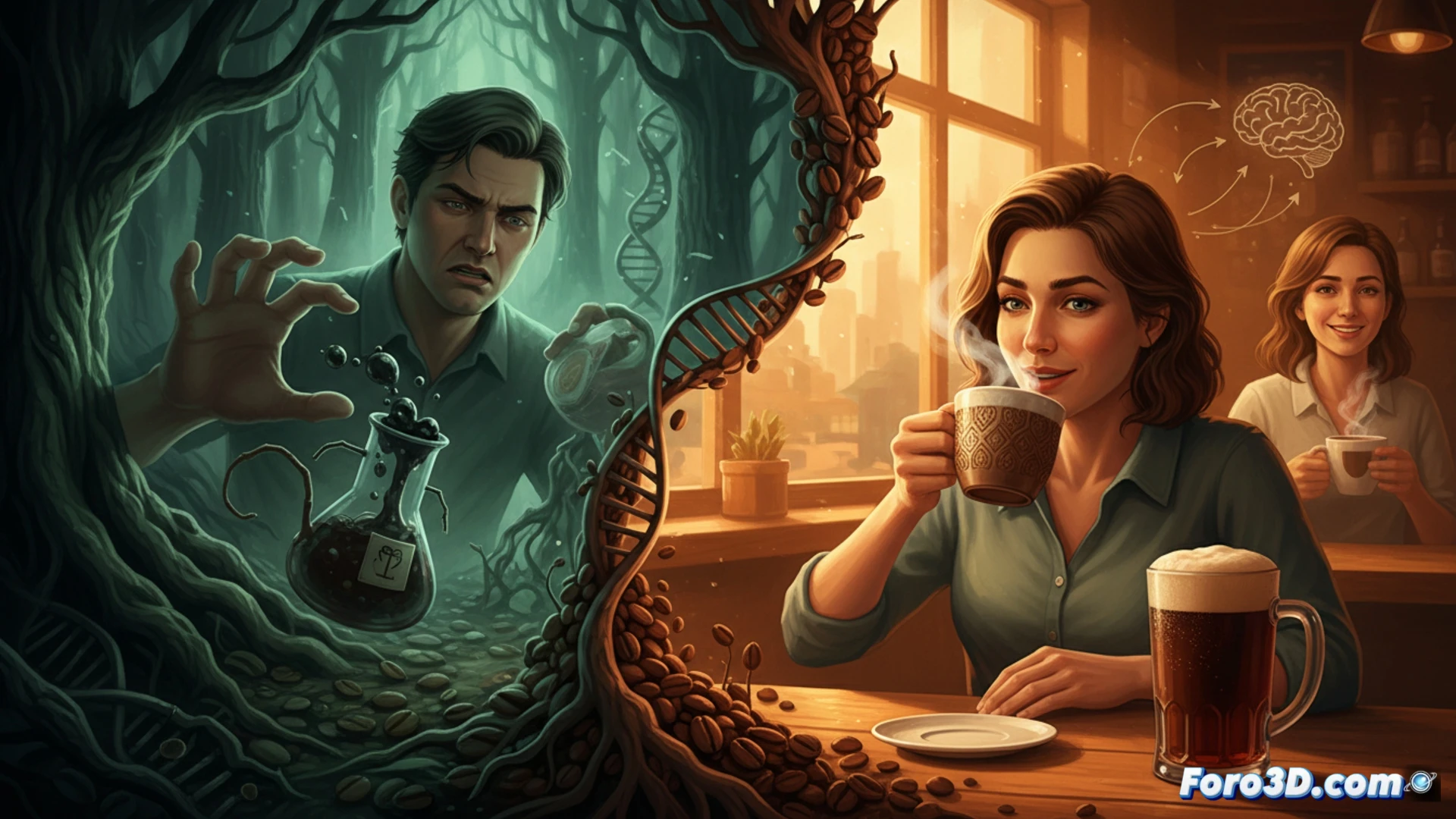
The initial rejection of bitter flavors like those in beer or coffee is not a whim, but a genetic defense mechanism. Our brain interprets that bitterness as a signal of possible poison to protect us. However, repeated exposure and subsequent positive consequences, such as energy or social disinhibition, transform that rejection into pleasure. This demonstrates that many eating habits are learned over time and are not innate.
How Neuroplasticity Reprograms the Adult Brain 🧠
Neuroplasticity is the key process here. When a person repeatedly tries coffee or beer, their limbic system associates the bitter taste with rewards like caffeine or alcohol. Synapses are strengthened, and the nucleus accumbens releases dopamine, generating a conditioned pleasure response. This learning is not a simple habit, but a structural change: the brain recalibrates its flavor map to include bitterness as something desirable. It is a slow but measurable process.
From Spitting Out Coffee to Ordering a Double Round ☕
If someone had told my teenage self that one day I would pay three euros for a coffee that tastes like burnt earth, I would have laughed. But here we are, ordering a round of craft beer as if it were an act of maturity. In the end, the brain is a terrible negotiator: it convinces you that bitterness is a luxury, while your wallet cries and your palate wonders what it did wrong. All for a dopamine rush.