The decision to shut down nuclear power plants not only turned off reactors but also dissolved engineering teams, dismantled supply chains, and erased decades of technical knowledge. Today, that accumulated expertise is not easily recovered, and the energy sector pays the price for a strategy that prioritized the short term over industrial sovereignty.
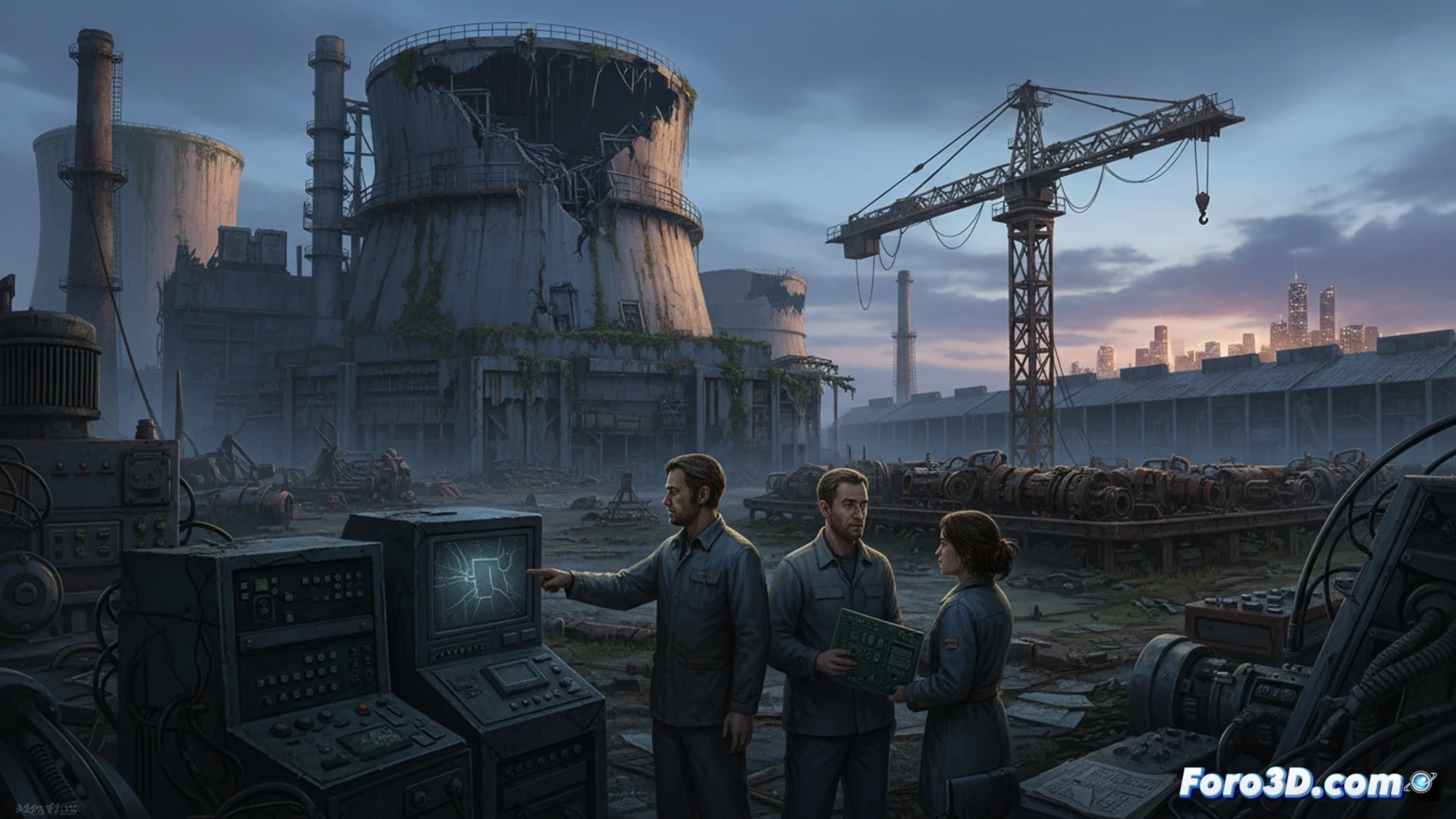
Rebuilding talent: a path full of obstacles 🛑
Training a high-level nuclear engineer requires more than a decade of supervised practice. By closing plants, the generational handover was lost: veterans retired or emigrated, and young people found no incentives to specialize. The auxiliary industry, supplier of critical components, also disappeared. Without that foundation, any future project starts from scratch, with multiplied costs and timelines.
The great void: when turning off the light turned off the brain 🧠
It turns out that dismantling a power plant is easier than maintaining the human team that operated it. Now, if someone wanted to resume nuclear energy, they would have to look for those engineers like someone looking for a vinyl record in the streaming era. They exist, but they are expensive, scarce, and to make matters worse, some went to work in countries that do value having technicians who know what they are doing.