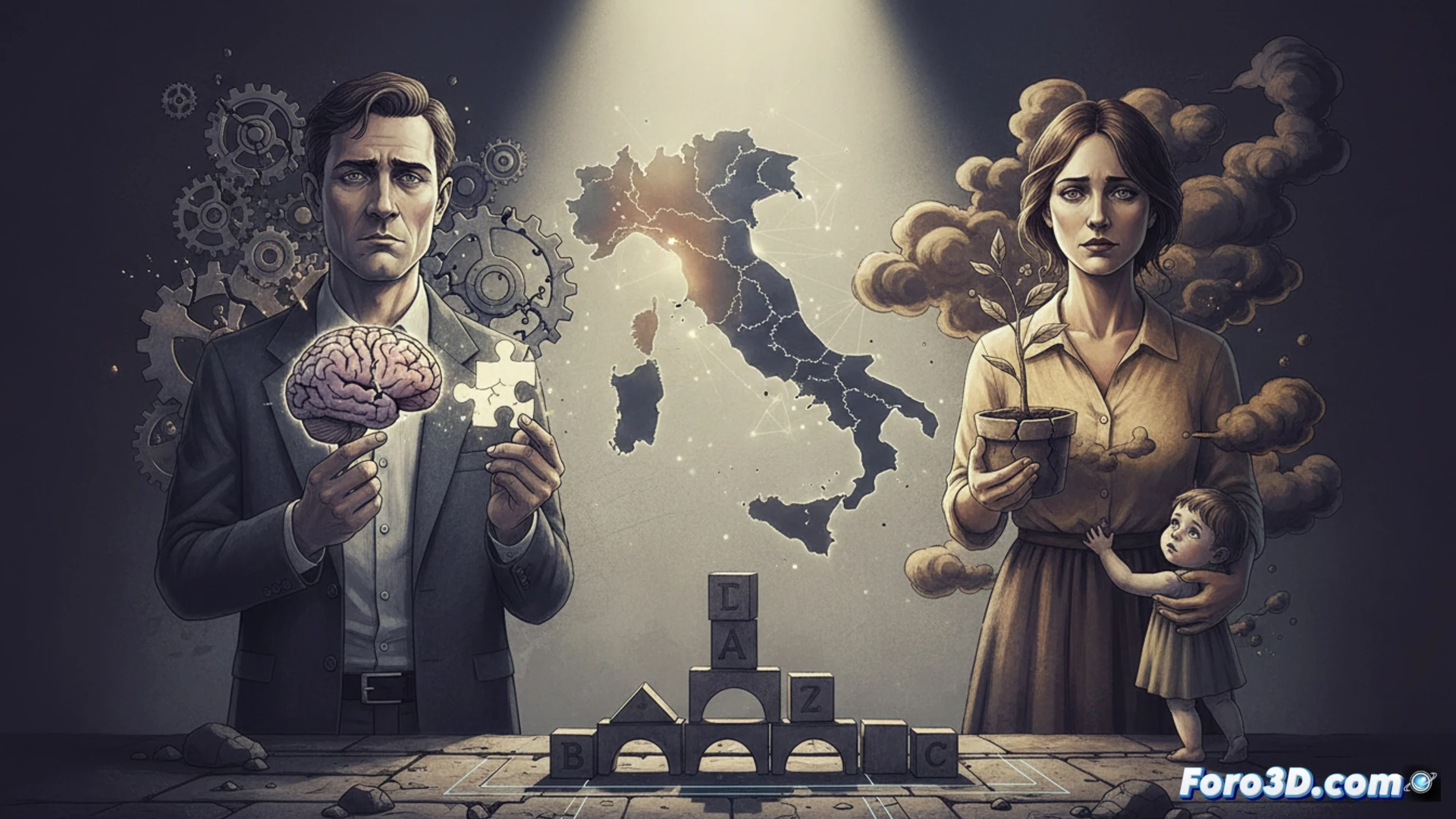
The MINDex 2026 reveals a significant gap in emotional education in Italy. Only 25% of the population has received training to recognize and manage emotions. Men perceive themselves as more aware of their emotionality, although many act impulsively. Women, for their part, report having received less emotional support at home, highlighting an imbalance in how emotional intelligence is addressed from childhood.
The role of technology in emotional literacy 🤖
Digital mental health platforms, such as Unobravo, are integrating sentiment analysis algorithms and conversational chatbots to offer emotional management resources. These tools use natural language processing to identify patterns of anxiety or impulsivity. However, their effectiveness depends on data quality and the user's ability to verbalize internal states. Technology does not replace early education, but it can be a complement for those who did not receive emotional training at home.
Emotional Italians: impulsive but very self-confident 😅
According to the report, Italian men feel like experts in others' emotions, but react as if they have a permanent red light. Meanwhile, women, with less family support, have developed an unofficial PhD in reading minds and containing storms. The solution, according to experts, is not more apps, but for dad to stop saying men don't cry and learn to say I need a hug. Or at least, stop pretending he knows what he feels.