The Ebola outbreak in the Democratic Republic of Congo has once again brought an uncomfortable truth to the table: wealthy countries preach global cooperation, but react by closing borders and leaving the affected to fend for themselves. Meanwhile, violence in the region prevents health workers from containing the virus. The problem is not only health-related, but political and economic.
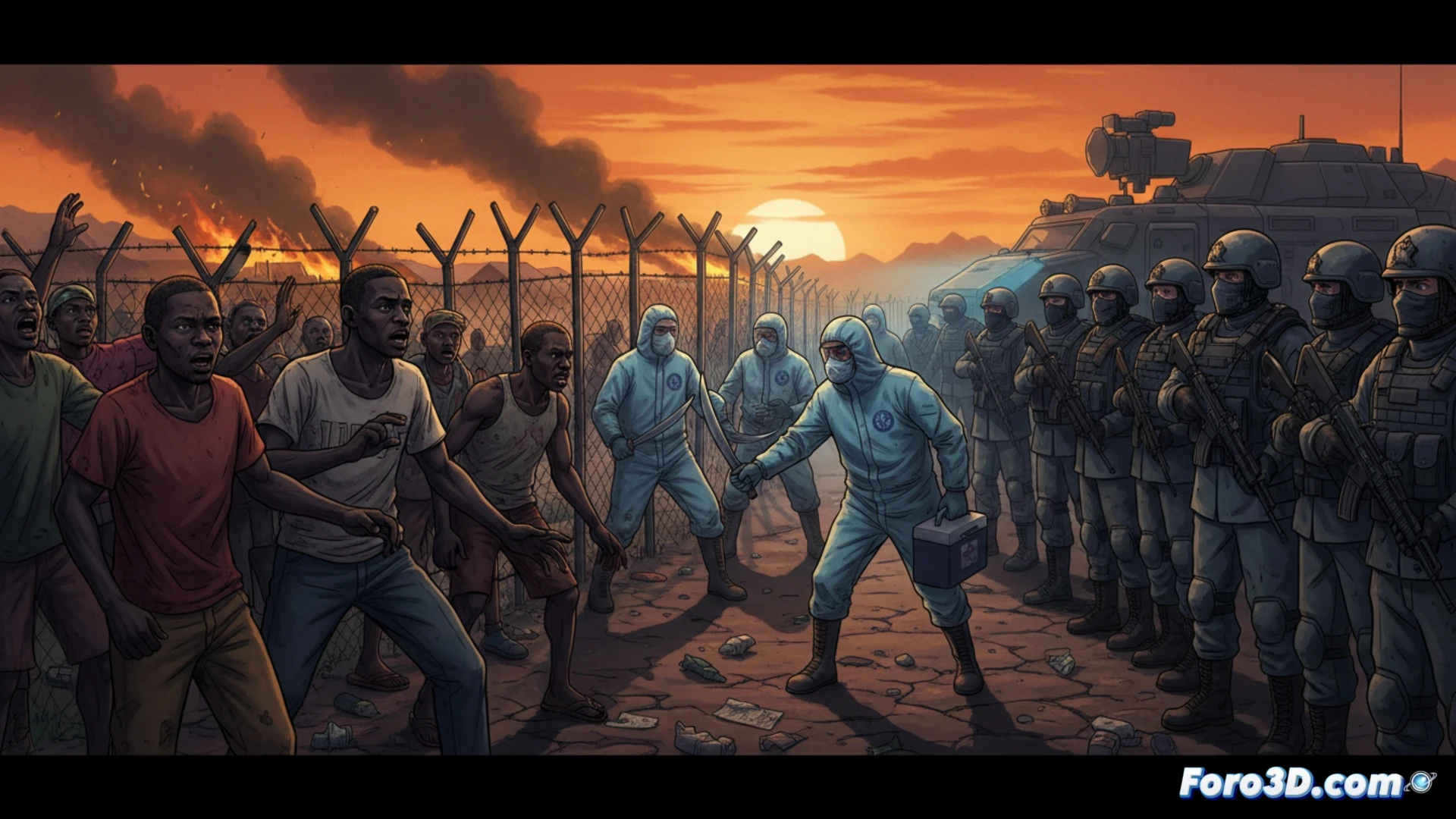
A vaccine without an owner: the gap between research and access 🧬
The Ebola vaccine exists, but its distribution remains a luxury. Clinical trials advance in Western laboratories, while doses trickle into at-risk areas. The solution lies in creating a global health emergency fund that finances open research and guarantees affordable treatments. Without patents blocking access, containment would be faster and less dependent on political donations.
The UN summit and its brilliant plan: meeting to debate while the virus advances 🤡
While world leaders gather in luxurious hotels to talk about solidarity, response teams on the ground in Congo lack basic resources. It seems the international protocol is: first, a group photo; second, a joint statement; third, wait for the outbreak to burn out on its own. At least closed borders will prevent politicians from catching common sense.