The Democratic Republic of Congo had fortified its healthcare system against Ebola Zaire, stockpiling high-level vaccines and treatments. However, an outbreak of the rare Bundibugyo strain, for which no specific resources exist, has exposed the limits of that strategy. The WHO declared an international emergency on May 17, and as of May 22, there were 82 confirmed cases, with spread to Uganda and an American doctor evacuated to Germany.
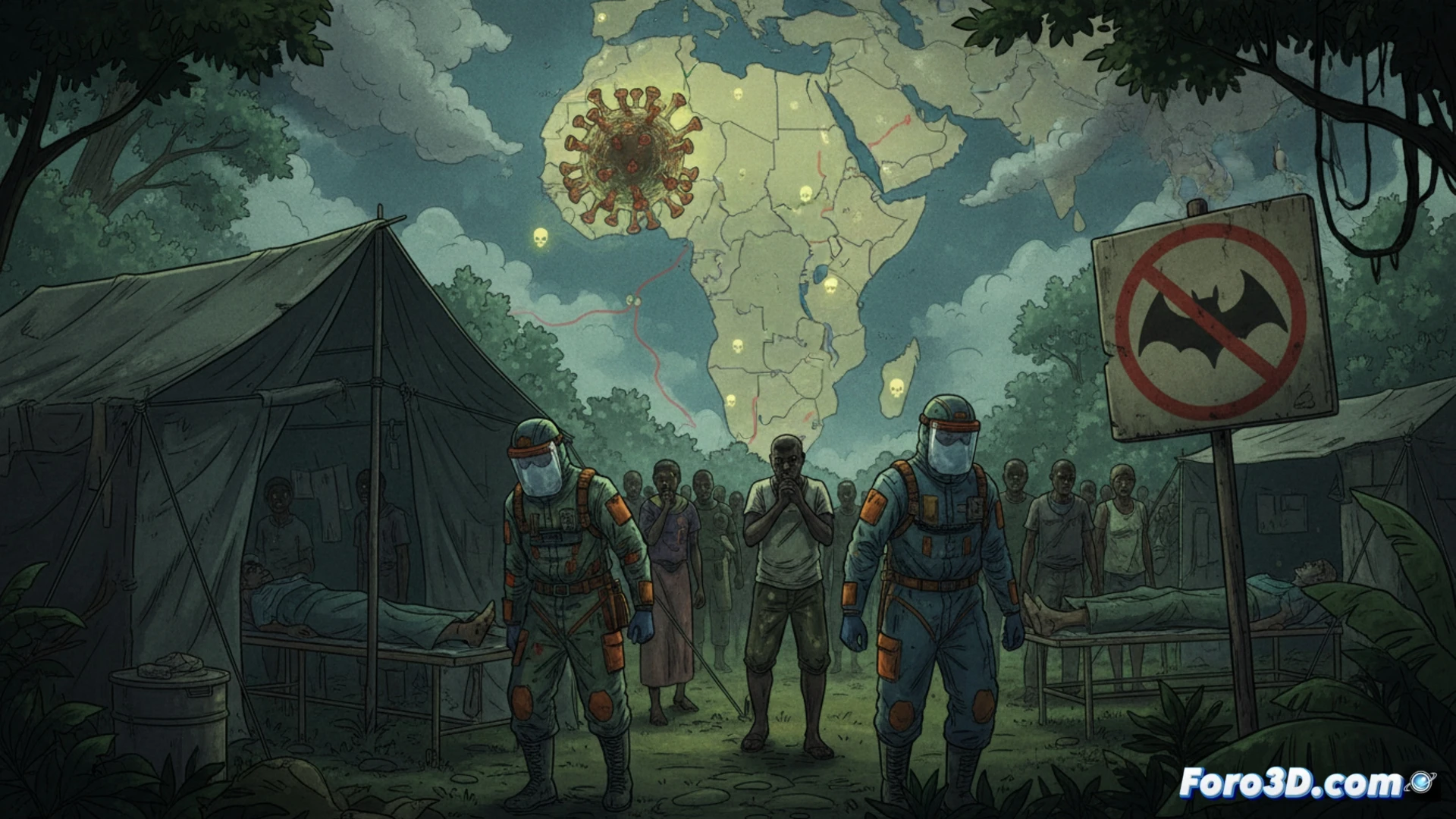
Healthcare infrastructure facing an unknown pathogen 🧬
The Congolese response system, designed to contain the Zaire strain, faces a fundamental problem: there is no approved vaccine or antiviral for Bundibugyo. Local laboratories, equipped for rapid diagnosis of the common strain, now require slower genetic sequencing protocols. The WHO is coordinating the shipment of specific test kits, while experimental drugs are being evaluated. The figure of nearly 750 suspected cases and 177 suspected deaths suggests the virus is circulating undetected.
The Ebola that arrived without an instruction manual ⚠️
After years of preparing for the known enemy, Congo discovers that Ebola Bundibugyo is like that virus that didn't read the script. You have the arsenal ready against Zaire, but a distant cousin arrives that your silver bullets don't affect. Meanwhile, the 750 suspected cases await their turn, and the American doctor has already packed his bags for Germany. At least, international bureaucracy has a new reason to organize virtual meetings.