Dread Templar demonstrates that the Unity engine can be the ideal tool for creating a retro shooter that doesn't sacrifice modern performance. The game achieves a perfect balance between the low visual fidelity of the Quake and PlayStation 1 era, and contemporary effects such as dynamic lighting and complex particle systems. This approach allows indie developers to deliver a smooth experience at 144 FPS or higher, without losing the nostalgia players seek.
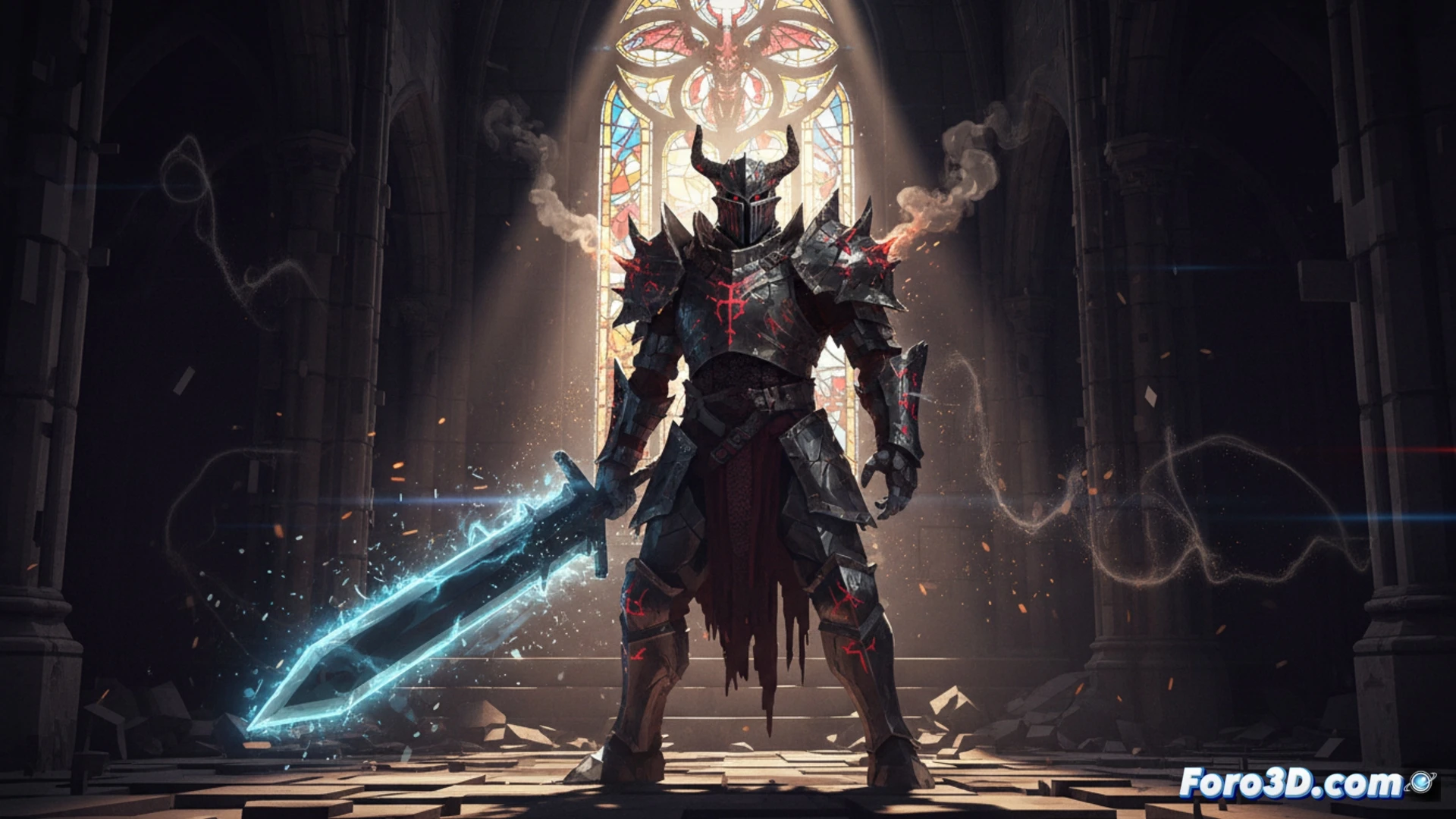
Lighting and particles: the technical trick in Unity 🎮
To emulate the PS1 look, Dread Templar uses low-resolution textures (typically 64x64 or 128x128) and simple polygonal models, but applies baked lighting combined with real-time point lights for key objects like weapons or enemies. Particles, critical for bullet impacts and explosions, are generated using Unity's Particle System but limited to fewer than 50 particles per event. This avoids GPU overload. The secret lies in using simple shaders (no PBR) with a single light pass, and enabling Vertex Lit mode on materials to mimic Quake's appearance, while maintaining a stable framerate thanks to Unity's profiler.
Lessons for indies seeking the retro style 💡
The success of Dread Templar lies in understanding that retro is not just aesthetics, but also optimization. Developers must prioritize performance over unnecessary details: use precomputed lightmaps for statics, reduce shadow buffer resolution, and disable post-process anti-aliasing. Visual nostalgia is achieved with limited color palettes and pixelated textures, not lens effects or blur. Unity allows all this without external plugins. The key is to iterate in the profiler to ensure the game runs at 60 FPS on modest hardware, just like in the 90s.
What specific lighting and shading techniques did the Dread Templar team use in Unity to achieve the low-fidelity PS1 aesthetic without compromising modern visual effects and optimized performance?
(PS: game jams are like weddings: everyone is happy, nobody sleeps, and you end up crying)