A Spanish hospital has achieved a milestone by performing the first living-donor liver donation assisted by robotic surgery. This technique minimizes incisions, reduces postoperative pain, and accelerates the donor's recovery. For the public, this means more people could donate part of their liver to relatives without facing long hospital stays or extensive scars, thereby increasing the chances of saving lives.
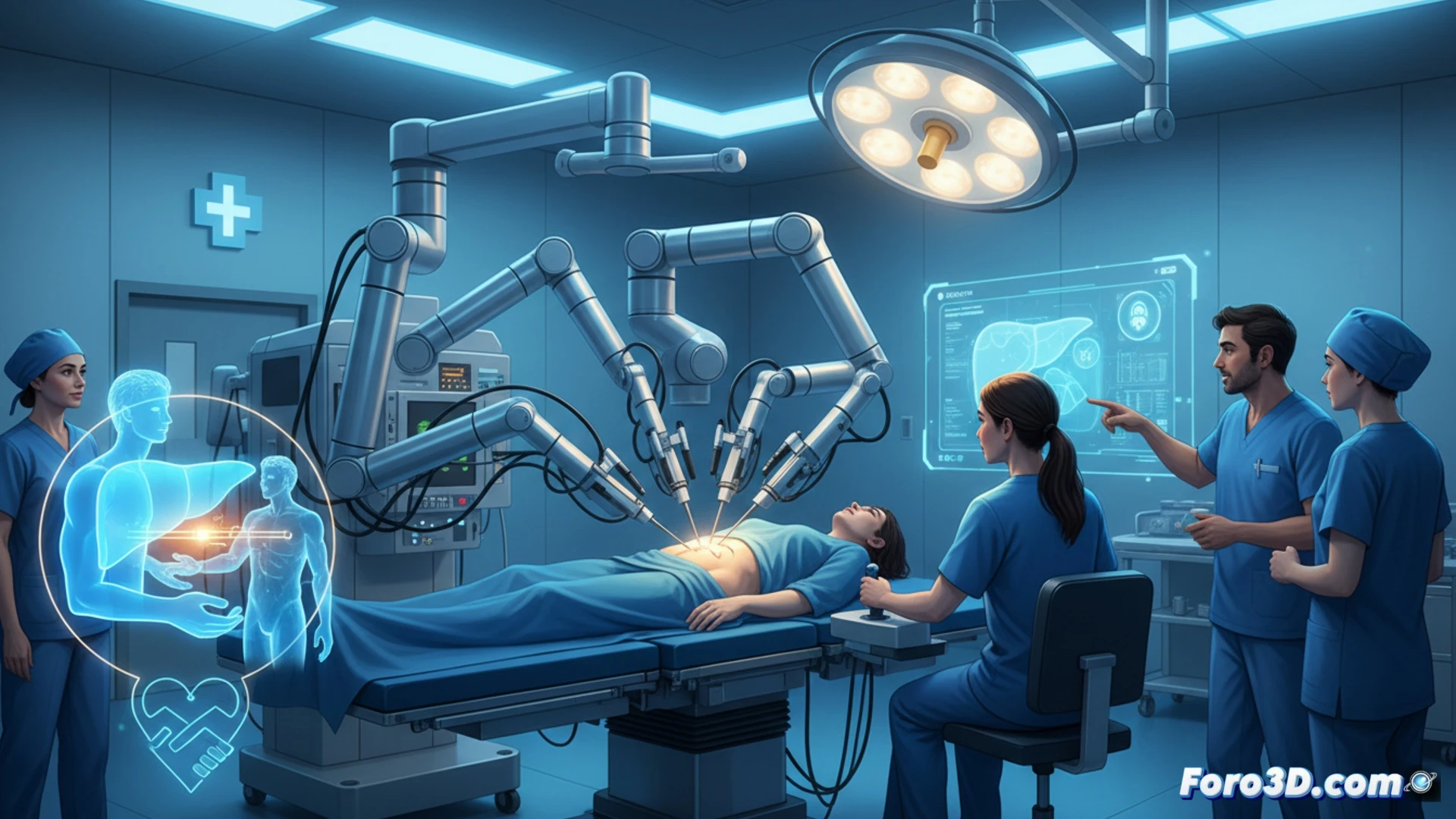
How the surgical robot transforms liver donation 🤖
The procedure uses robotic arms controlled by the surgeon from a console, allowing more precise movements in the confined spaces of the abdomen. Unlike traditional open surgery, which requires a large incision, here several small openings are made. This reduces blood loss and tissue trauma. The donor's recovery goes from weeks to days, and the risk of complications such as infections or hernias decreases significantly. The technology does not replace human expertise, but amplifies it.
Donating the liver: now with fewer excuses and more science fiction 🚀
Until yesterday, donating part of the liver sounded like a heroic act with an epic recovery and a battle scar. Now, with the robot, it feels like you get a liposuction and they take out an organ as a bonus. Future donors will complain that they barely have a scar left to tell the story. Of course, technology advances, but the hospital gown remains just as unflattering. At least now you get out of bed sooner to complain about it.