The trade of tamer, focused on animal connection and training, can benefit from 3D technology to create work tools. A clear example is the manufacturing of exact replicas of objects that cause stress in the animal, such as cages or transport elements, allowing controlled desensitization. This reduces the risk of accidents and improves trust during the domestication process.
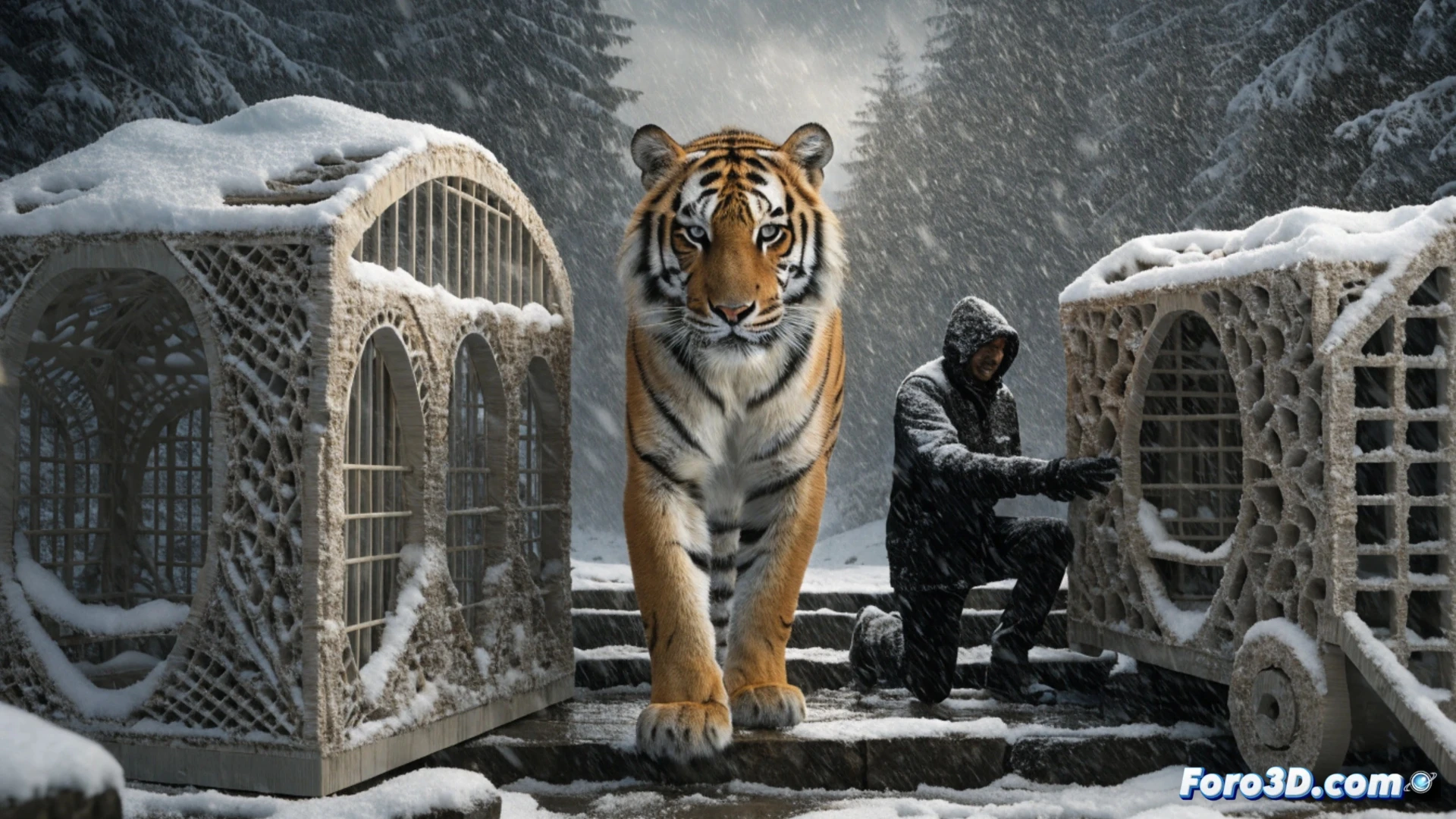
Modeling and simulation for animal training 🖨️
To design these tools, 3D modeling software such as Blender or Fusion 360 is required, which allows creating parts with precise tolerances. After design, a slicer like Cura or PrusaSlicer is used to generate the printer's G-code. Recommended materials are PLA or PETG for their strength and low toxicity. You can print everything from replicas of carriers to hand protectors or training sleeves, adapting the texture and shape to the needs of each species.
When the tamer becomes a digital handyman 🛠️
Of course, there's always a colleague who says that a stick and a rope can fix everything. But when the lion gives you a strange look upon seeing the plastic carrier, you might prefer having a 3D printed replica over a stick. That said, don't try to print a PLA whip because it will break at the first snap. Better to leave the drama for the movies and use technology for what it's meant for: avoiding trips to the vet.