While television serves us news filtered through each network's editorial line, ancient protocol books offer a direct and unedited exploration of history. Reading these documents is like accessing the original files of a system, without layers of interpretation or interface biases. It is pure information, without patches or forced updates.
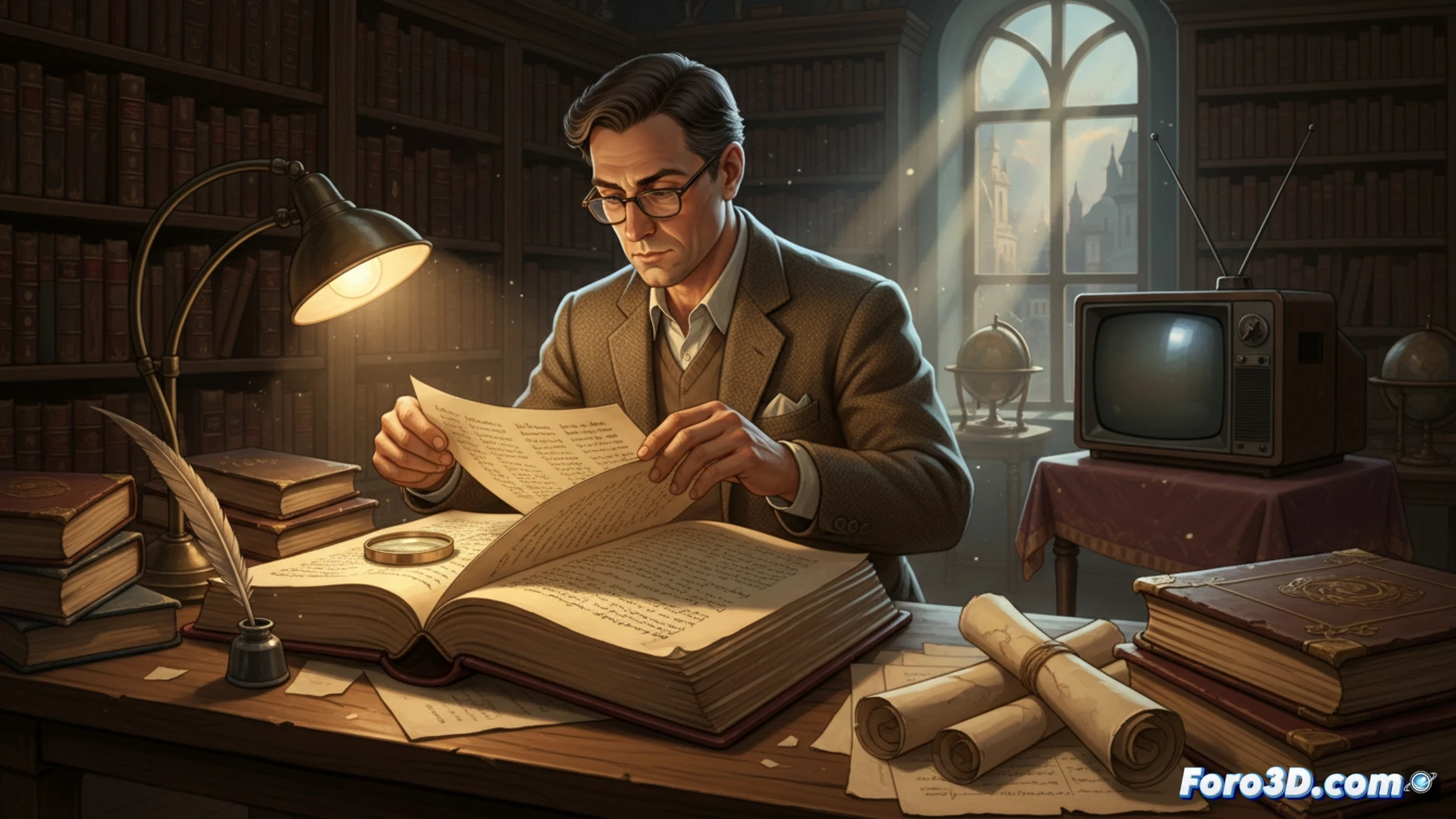
The data architecture of the 16th century 📜
Notarial protocols function as a decentralized database of human transactions. Each folio records contracts, wills, and sales with a level of detail that surpasses any modern API. The user must develop manual indexing skills, searching for patterns in calligraphy and abbreviations. There is no search engine or filter: only patience and a clinical eye to extract relevant information from a system without a graphical interface.
Spoiler: the ending is written by dust 🕵️
Viewing these documents has a problem: there are no ads or commercial breaks. If you get lost, there is no pause button. And the greatest drama appears when you find an illegible page due to a wine stain from 1620. The real cliffhanger is knowing whether the notary wrote with quality ink or if the file survived treacherous humidity. More excitement than any premiere series.