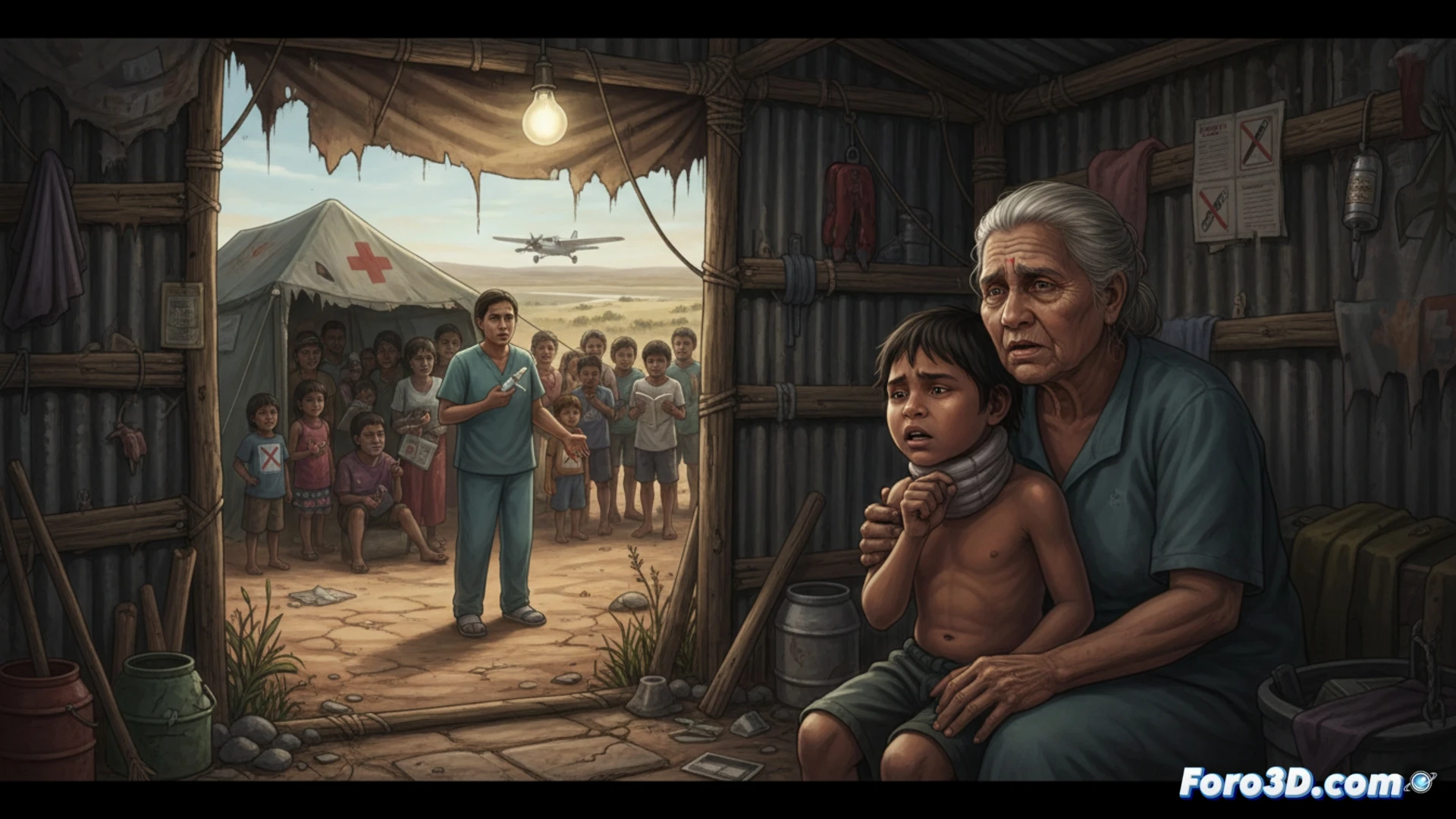
Australia faces its largest diphtheria outbreak in decades, with hotspots in isolated Indigenous communities. A shortage of healthcare staff, vaccine misinformation, and overcrowding have created the perfect breeding ground for a disease thought to be forgotten. Low immunization coverage in these areas reveals a critical gap in the public health system.
Satellite mapping and telemedicine: tools against the outbreak 🛰️
Authorities have deployed drones for medical supply delivery and mobile units with satellite connectivity to reach areas without roads. Georeferencing systems allow tracking of infection hotspots and planning vaccination routes. However, the lack of basic digital infrastructure in communities limits the effectiveness of these technologies, which rely on trained local personnel and rechargeable batteries.
Vaccines for export, but not for home 💉
While Australia exports health technology and digital solutions to the world, diphtheria finds a home in its own territories. It's like having a Ferrari in the garage but not being able to go to the doctor because the neighbor next door believes vaccines have microchips. The solution is not in an algorithm, but in improving basic coverage and community trust.