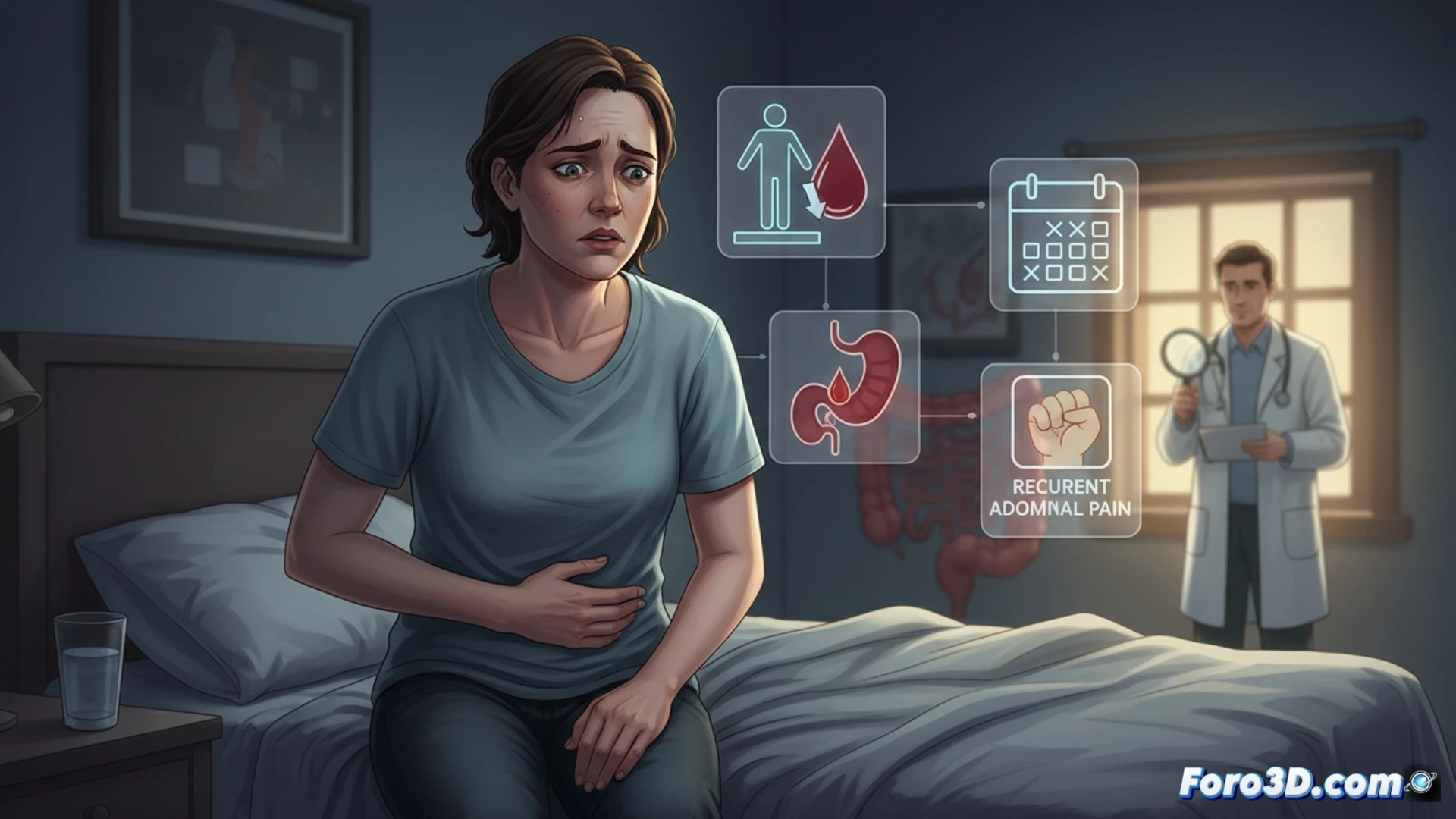
Diarrhea that persists for more than four weeks is not a simple passing disorder. It can be a symptom of inflammatory bowel diseases, such as Crohn's disease or ulcerative colitis, or undiagnosed food intolerances. Normalizing this prolonged discomfort affects your health, work productivity, and overall well-being. If you notice weight loss, blood in stool, or recurrent abdominal pain, it's time to consult a specialist. Acting early prevents complications and improves your quality of life.
How technology helps diagnose digestive disorders 🩺
Advances in diagnosis have transformed gastroenterology. The capsule endoscope, a device the size of a pill, travels through the small intestine sending high-definition images. Gut microbiota analysis through genetic sequencing identifies bacterial imbalances linked to chronic diarrhea. Additionally, hydrogen sensor breath tests allow precise detection of lactose or fructose intolerances. These tools reduce invasive procedures and streamline treatment, offering personalized solutions to patients.
The bathroom as a second office: when the body says enough 🚽
If you spend more time in the bathroom than at your desk, your gut might be asking for an urgent meeting. Chronic diarrhea turns any plan into a logistical odyssey: calculating distances to the nearest bathroom becomes a professional skill. Forget meals with friends or public transport without prior strategy. But don't worry, it's not that the universe is conspiring against you; it's just your body using its own alert system. Ignoring it is like deleting notifications without reading them: the problem doesn't disappear, it just builds up.