Deepfakes have ceased to be science fiction and have become an everyday reality. With tools like Kling 3.0 or Veo 3, anyone can generate a fake video in minutes. Artificial intelligence replaces faces, clones voices, and creates fictitious scenarios with a realism that deceives the human eye. Detecting these manipulations by simple observation is no longer viable; the only solid defense is to trace the origin of the content.
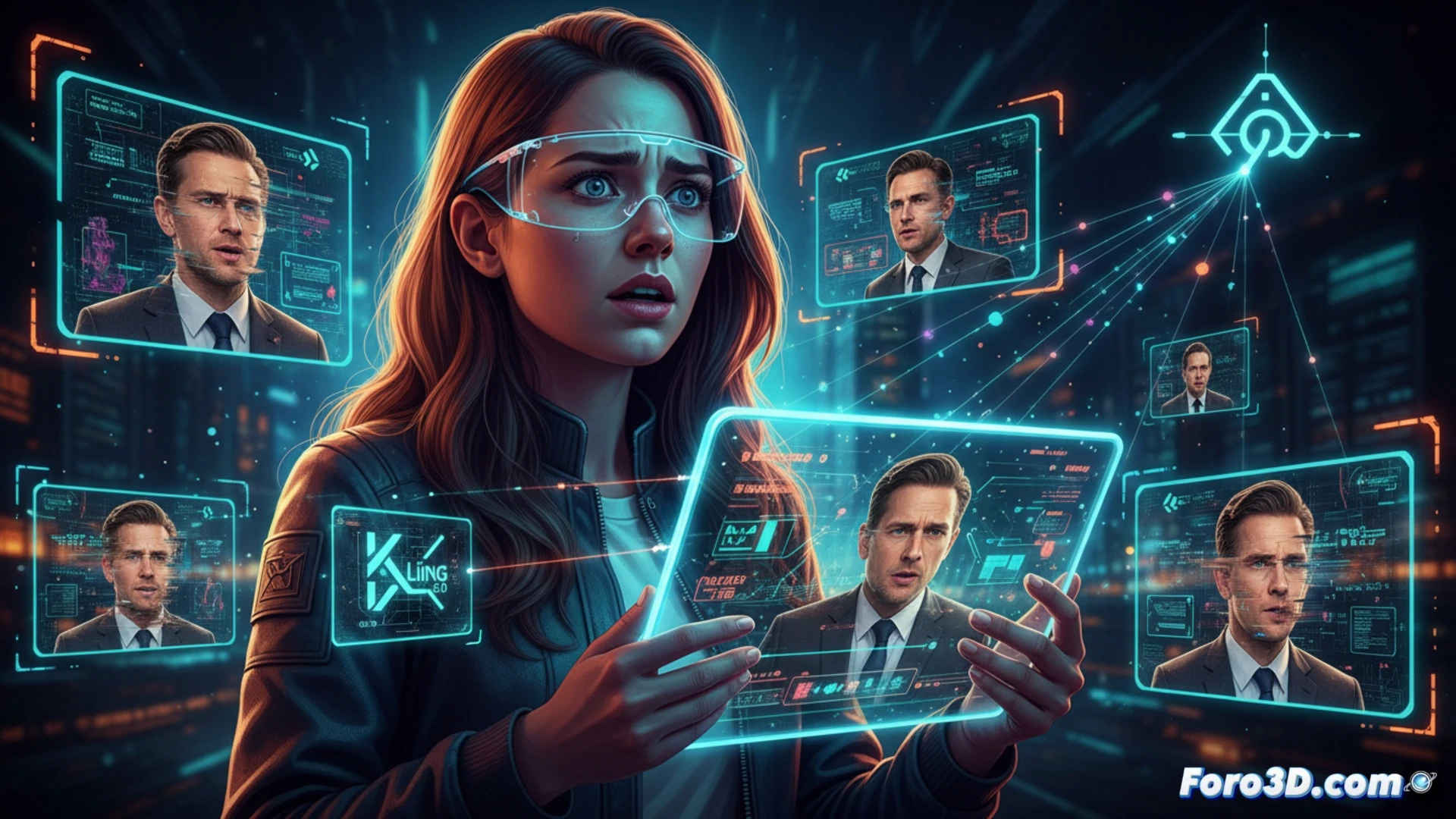
How generative adversarial networks work 🤖
These forgeries are based on generative adversarial networks, where two models compete to improve the quality of the result. One generates the fake content while the other tries to detect it; after thousands of iterations, the fake becomes indistinguishable. Kling 3.0 uses advanced diffusion models to process video in real time, while Veo 3 optimizes lip synchronization and lighting coherence. The result is a product so polished that even automatic detection systems frequently fail.
The relative who has already sent you a deepfake 😅
Chances are your tech-savvy relative has already shared a deepfake in the WhatsApp group. Yes, that video of the politician dancing salsa wasn't real. The worst part is that now even your aunt knows it, but she doesn't care because she finds it funny. Meanwhile, experts recommend verifying sources and not trusting even your own eyes. So, if your boss asks for a raise via video call, you'd better call by phone.