3D technology is here to stay in the world of interior decoration. It allows you to visualize spaces before moving a single piece of furniture, saving time and materials. A decorator can present the client with an exact recreation of their living room with different wall colors, floor textures, and furniture arrangements, avoiding costly mistakes and arguments over abstract tastes.
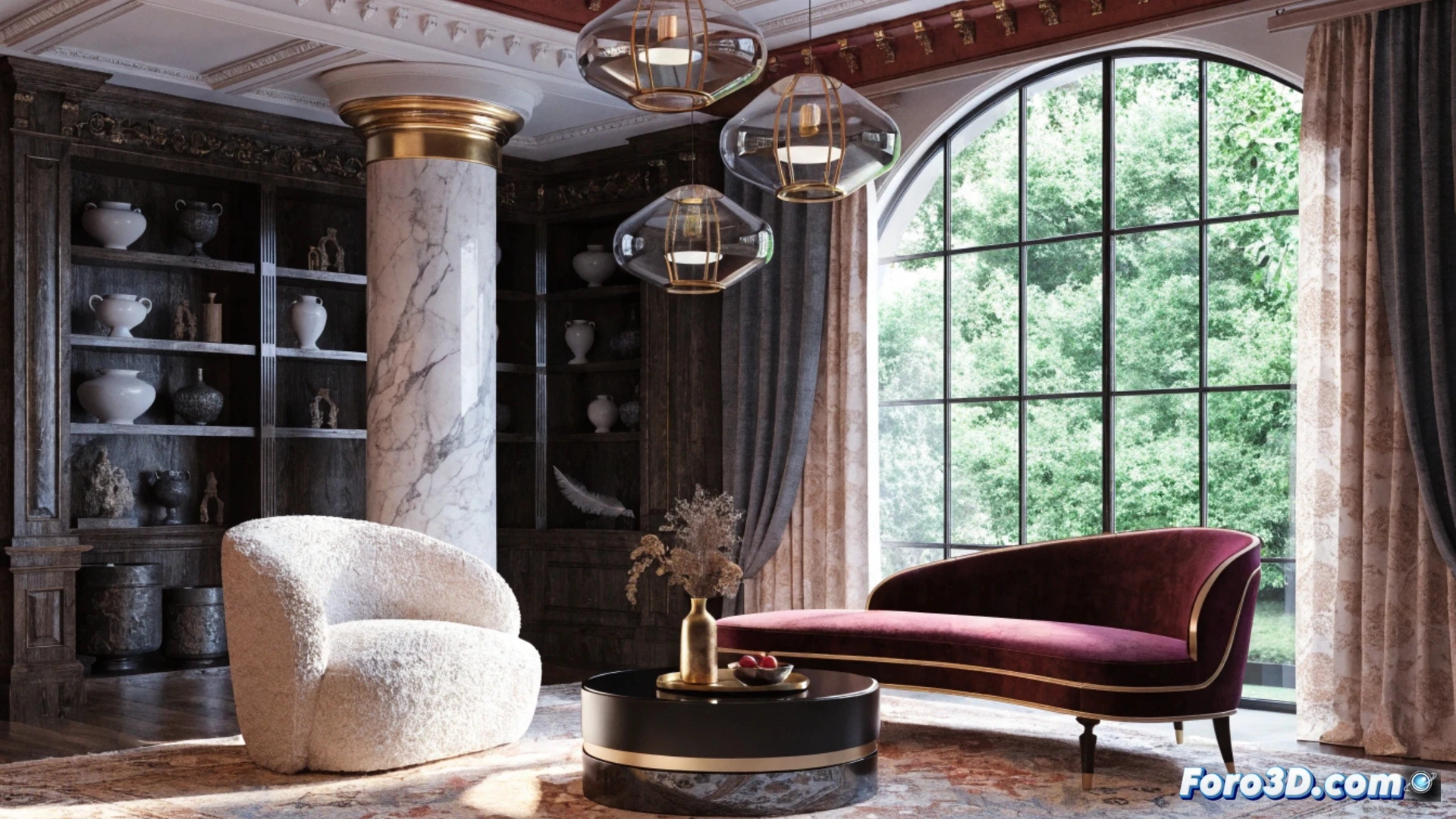
Modeling and rendering: the key tools of the modern decorator 🛠️
To work in 3D, the decorator needs specific programs. SketchUp Pro is ideal for quickly modeling furniture and structures. Blender offers greater control over materials and lights, although its learning curve is steeper. For realistic presentations, Twinmotion or Lumion allow real-time rendering. A typical workflow starts with taking measurements in AutoCAD, moves to modeling in SketchUp, and ends with a photorealistic render in V-Ray to show the client how their space will look.
When the client asks for Barbie pink in a 10-square-meter room 🎨
The magic of 3D comes when the client insists on combining an orange sofa with a leopard print rug and lava lamps. Instead of debating for hours, you show them the rendered model. Seeing their own look of horror when contemplating the digital result is usually more effective than any argument about color harmony. 3D not only sells projects, it also saves decorators from committing follies to please.