DDoS attacks are no longer just a random avalanche of traffic. Artificial intelligence has made them smarter: they now analyze networks, evade basic defenses, and adapt in real time. This new level of sophistication demands a rethink of traditional cybersecurity strategies.
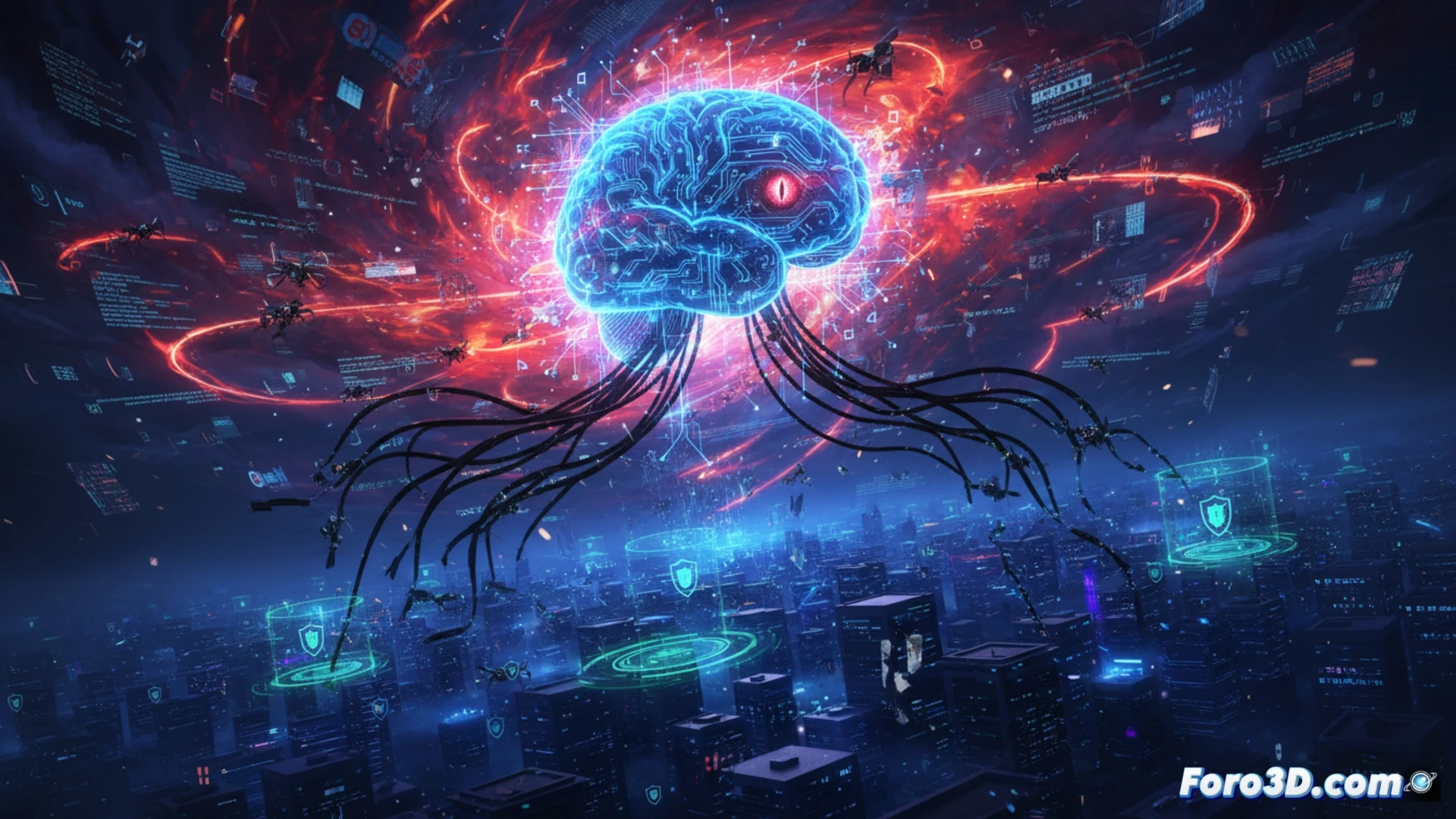
How AI is Redefining Attack Tactics 🧠
Generative AI systems allow attackers to create traffic patterns that mimic legitimate human behavior, making them difficult to detect. Additionally, they can coordinate bot swarms that adjust their offensive based on deployed countermeasures. Defense can no longer rely on fixed rules; it requires machine learning models capable of anticipating and neutralizing these variations in milliseconds.
When Your Firewall Asks for Coffee and AI Asks for Your Data ☕
Before, a DDoS was like a bang on the door: noisy, crude, and easy to detect. Now AI attacks with the subtlety of a pickpocket on the subway. While your security team reviews logs, the smart bot has already changed tactics three times. The worst part: it probably learned from your latest patch update. The good news is you can still use strong passwords... for now.