Nightdive Studios has once again demonstrated its mastery of video game preservation with the release of Star Wars: Dark Forces Remaster. This title not only rescues a classic first-person shooter but modernizes it using its proprietary engine, the KEX Engine. The main challenge was replacing the original 2D sprites with high-fidelity 3D models while maintaining the gameplay and atmosphere that defined the 1995 work. 🎮
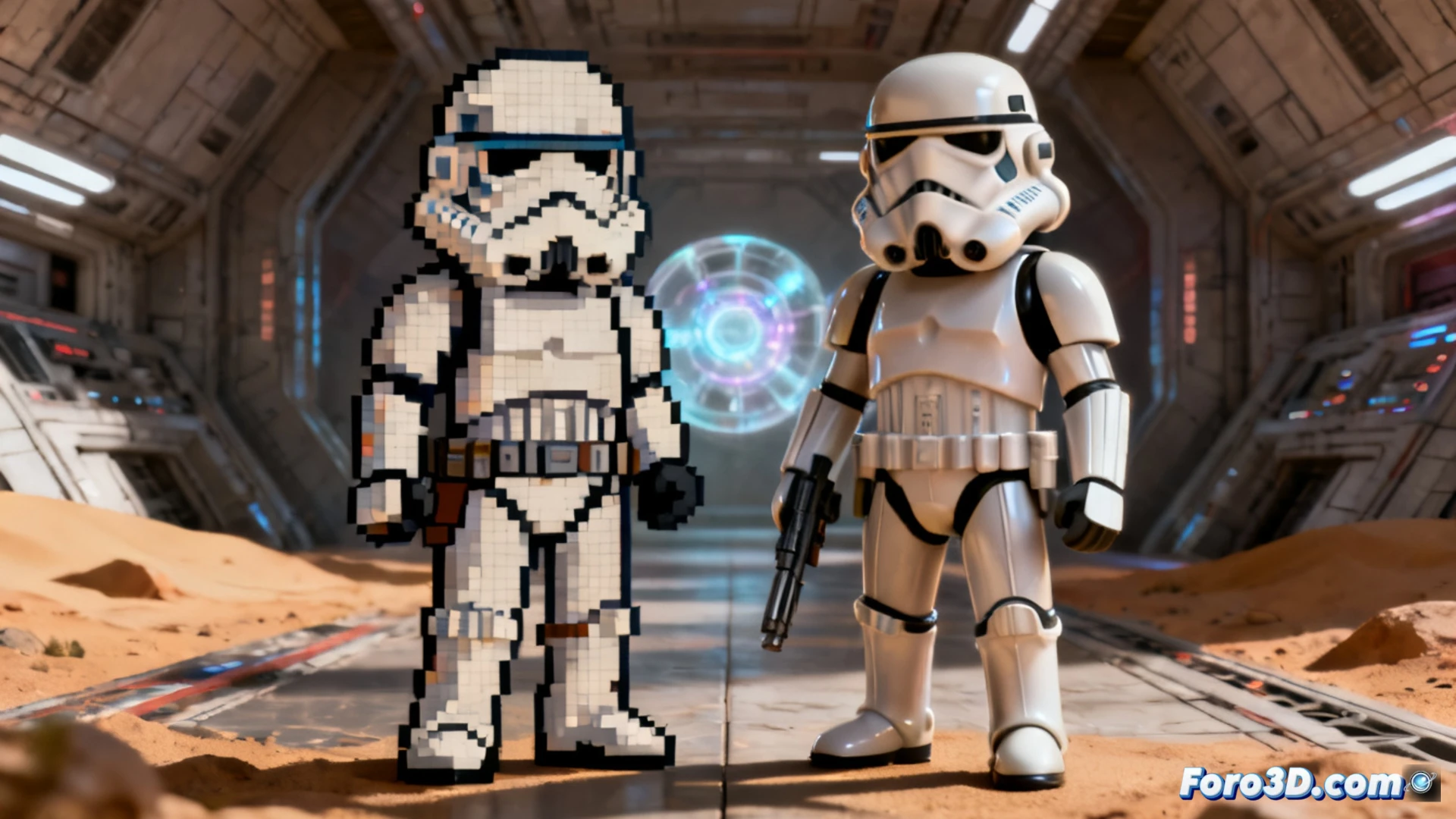
Replacement of 2D sprites with 3D models and optimization in KEX 🔧
The technical process behind this remaster is fascinating. The original 2D sprites, which represented enemies and objects, were analyzed and replaced by polygonal models created from scratch. Nightdive used asset restoration tools to map the original textures onto new geometries, preserving the silhouette and key animation frames. The KEX Engine allowed for the implementation of dynamic lighting and real-time shadows on these new models without breaking the logic of the classic levels. Additionally, rendering was optimized to support ultra-wide resolutions, eliminating letterboxing and adjusting the field of view without distorting the original gameplay experience. The engine also manages the conversion of audio and video formats to modern standards, ensuring compatibility with current hardware.
The challenge of visual fidelity and classic essence 🎯
The biggest challenge for the development team was balancing graphical modernization with preserving the game's soul. Replacing sprites with 3D models could alter the perception of hitboxes or visual readability on screen. Nightdive solved this by manually calibrating each animation and collision, ensuring that the new models offered no advantages or disadvantages compared to the original. The decision to keep the 2D pre-rendered environments (instead of converting them to 3D) was key to preserving the title's artistic identity. This approach demonstrates that technology, when well applied, can serve nostalgia without betraying the original design.
Could artificial intelligence one day dynamically generate these 3D models from the original sprites, streamlining the remastering process?
(PS: shaders are like mayonnaise: if they break, you start all over again)