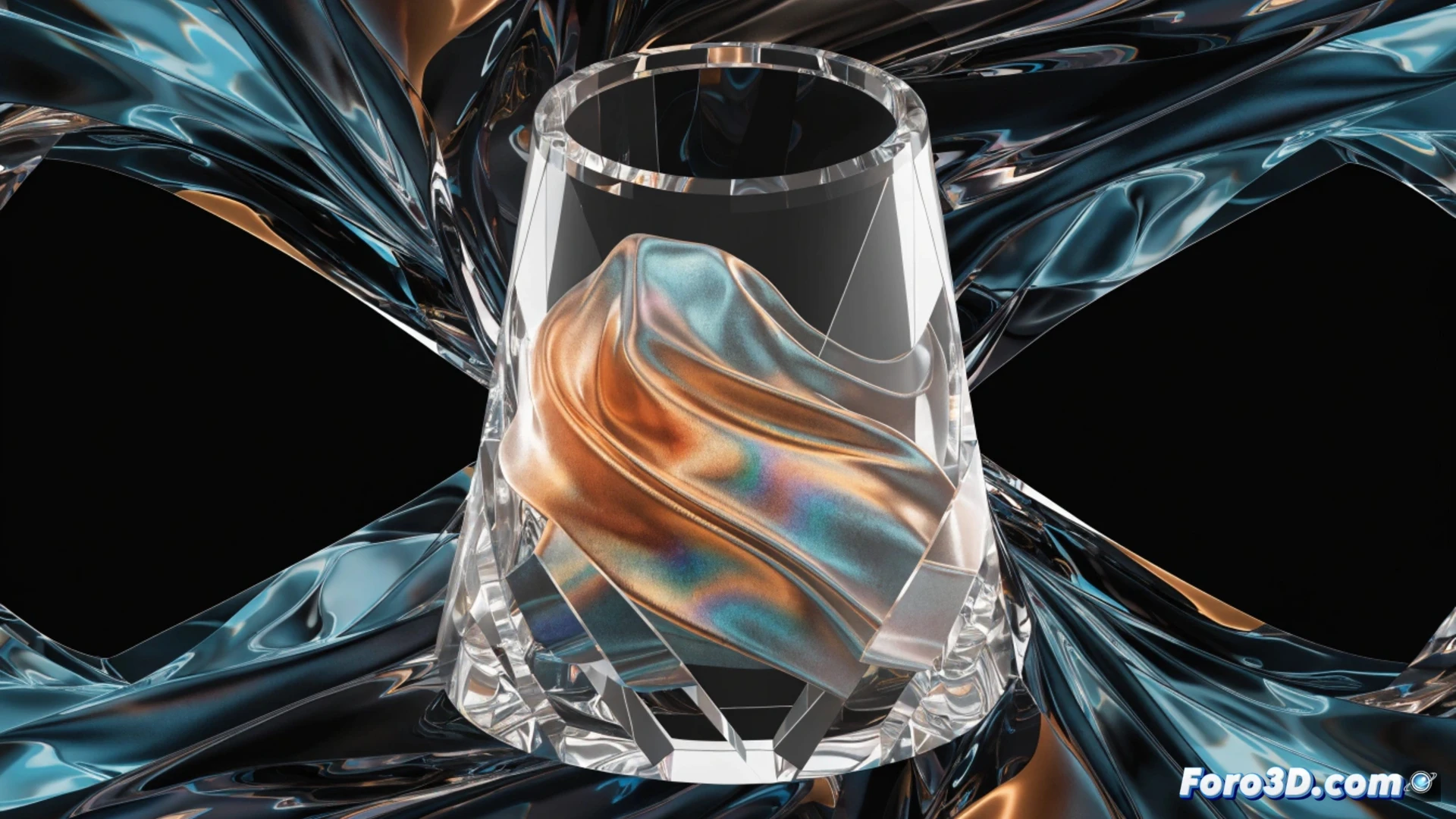
3D technology has arrived in the tailoring trade to eliminate trial and error on fabric. With modeling software, you can create virtual patterns, adjust sizes, and preview fabric drapes without cutting a single centimeter. This saves time and material, especially on complex garments. A clear example: designing a party dress in 3D allows you to see how silk behaves when moving before touching the needle.
Key programs for the digital workshop 🧵
To make the leap, the tailor needs specific tools. CL0 3D and Marvelous Designer are the standards for simulating realistic fabrics and virtual pattern making. Blender, free, is useful for modeling accessories or trims. These programs allow you to export patterns in A3 format for printing, or even generate files for laser cutting. The learning curve is moderate, but tutorials abound. You don't need a super machine; a laptop with 16 GB of RAM and a decent graphics card is enough to get started.
The digital mannequin doesn't ask for coffee or complain about the thread 🤖
Forget about adjusting the skirt on a mannequin that won't stop wobbling or asking your client to stand still for fifteen minutes. With the 3D model, you can zoom in on the crotch of the pants without getting a death glare. Plus, if the hem doesn't fall right, you just hit undo and that's it. Of course, the computer won't iron your cuffs or put on thimbles either. But at least it won't argue about the price of the lining.