The profession of a choreographer combines artistic creativity with constant physical demands. Overexertion from demonstrations, forced postures, falls, and stress from production deadlines create a complex occupational risk profile. Musculoskeletal injuries and chronic fatigue are common symptoms that affect the careers of these professionals. However, 3D technology offers an innovative preventive solution.
Biomechanical analysis through virtual trajectories 🩰
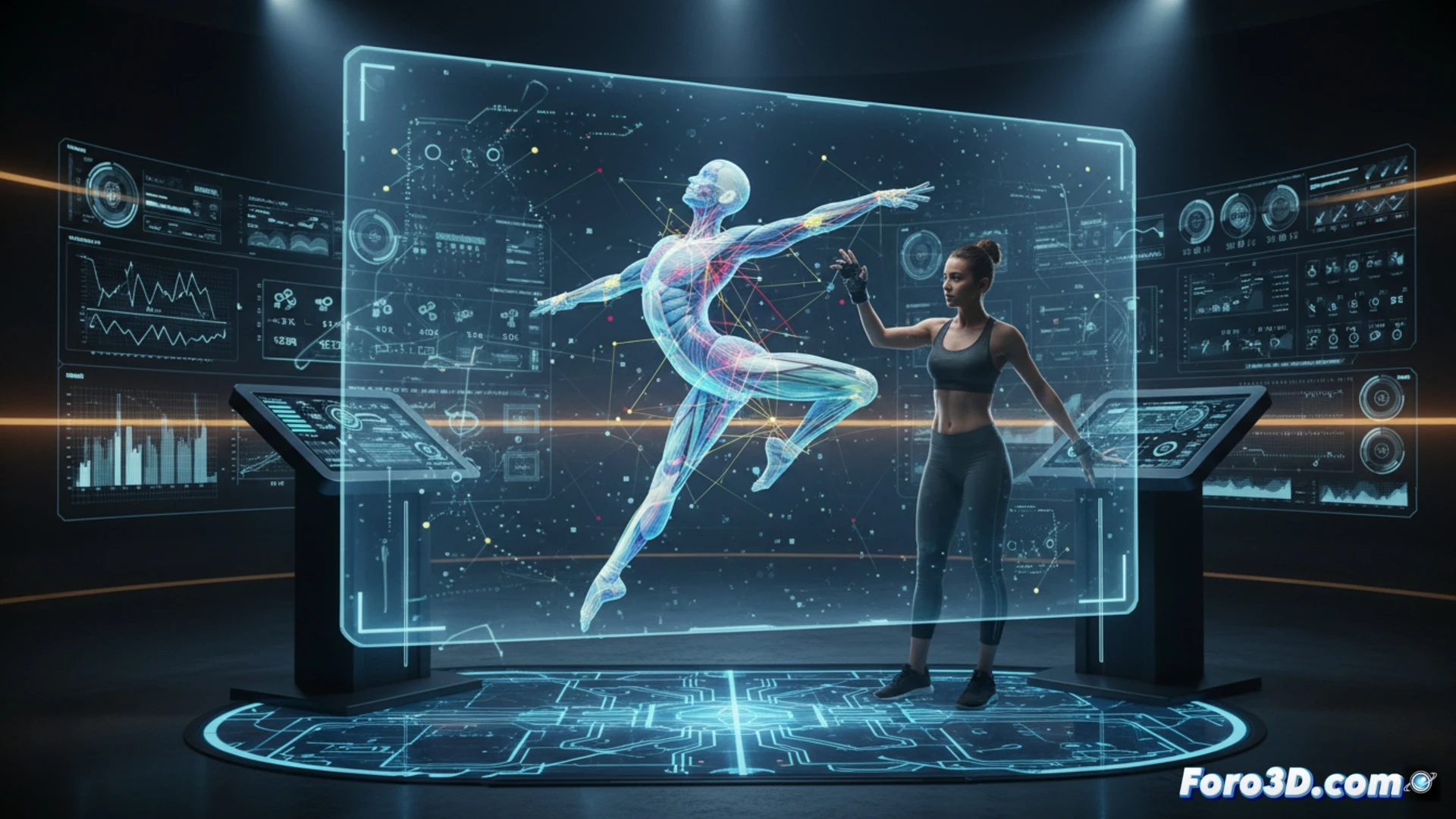
Simulating virtual trajectories allows for precise modeling of each movement sequence of the choreographer. By importing motion capture into a 3D environment, it is possible to analyze joint angles and calculate muscle loads in real time. This analysis identifies critical risk points, such as excessive knee flexion or forced lumbar rotation. The software enables visualization of mechanical stress distribution in the body, highlighting areas prone to injury from repetitive movements. With this data, choreographies can be virtually modified to optimize execution and reduce fatigue before a single physical rehearsal.
Digital prevention for stage health 💃
3D simulation not only protects the choreographer but also redefines safety in the arts. By correcting postures and trajectories in a digital twin, cumulative physical wear and tear is avoided. This methodology allows for rehearsing variations without the risk of falls or overloads, and reduces the anxiety associated with production deadlines. Integrating biomechanical analysis into the creative phase turns prevention into part of the artistic process, ensuring a longer and healthier career for dance professionals.
How can 3D simulation of virtual trajectories anticipate biomechanical stress points in a choreography to reduce the risk of chronic injuries in choreographers?
(PS: Simulating trajectories is like playing billiards, but without having to clean the table afterwards.)