3D technology is not only used to manufacture plastic parts. A copywriter can use it to create physical prototypes of abstract concepts, such as packaging or promotional displays. This allows ideas to be presented to clients in a tangible way, avoiding misunderstandings. For example, if you are writing the launch text for a perfume, you can print the proposed bottle to verify how the message looks on the actual packaging.
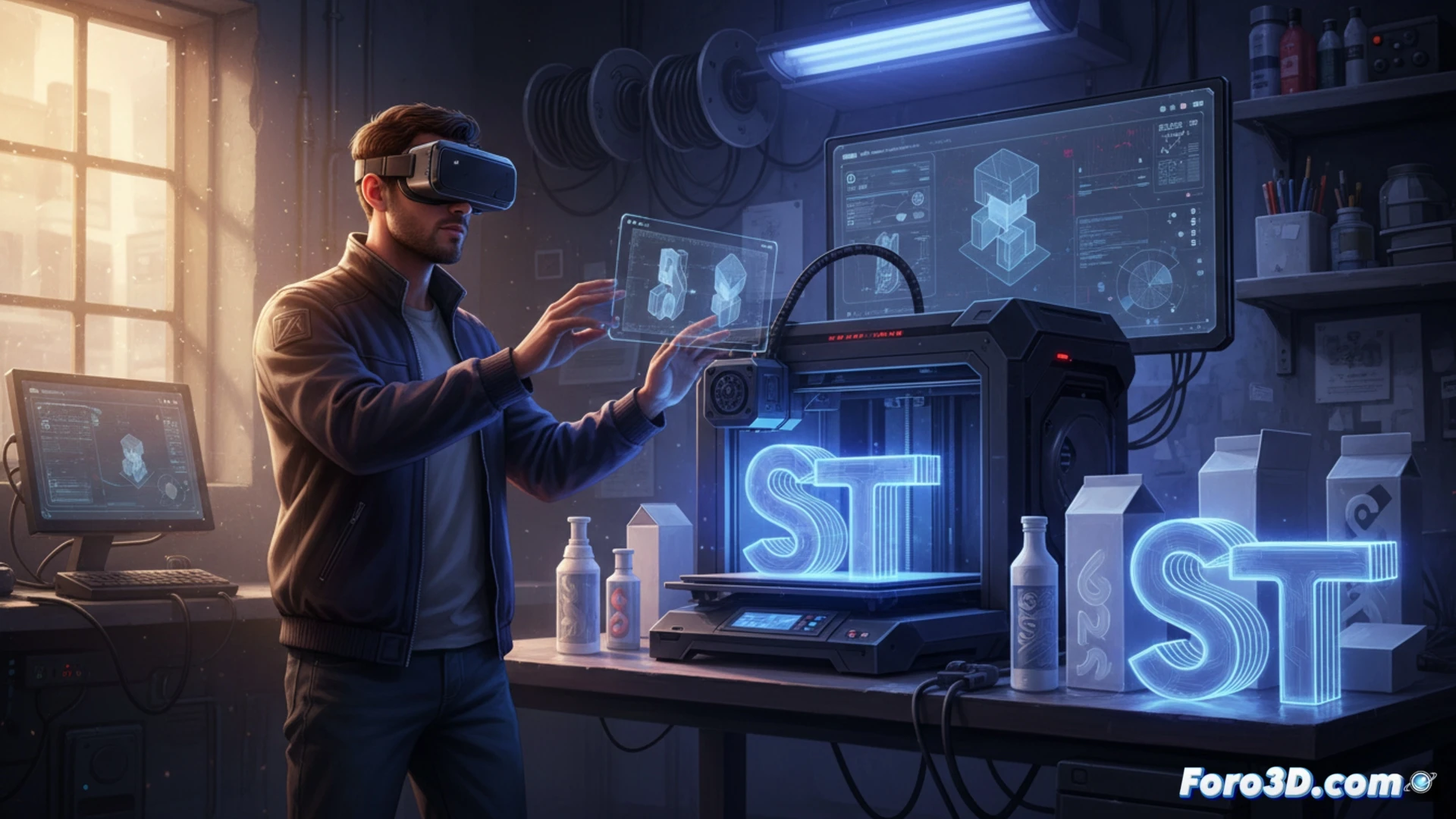
3D Modeling and Augmented Reality for Campaigns 🚀
To execute this technique, you need programs like Blender or Fusion 360 to model the object. Then, use an FDM printer like the Creality Ender 3 to obtain the physical prototype. If you prefer to avoid printing, use augmented reality with Adobe Aero; this allows the client to see the final product on their desk via a mobile phone. The copywriter adjusts the text based on the spatial perception of the object, improving the coherence between the message and the medium.
When the Client Requests Changes to Both the Text and the Piece 😅
The day your client says that the slogan looks too small on the product base, but also asks for the base to be wider, you will understand why the 3D copywriter is not a luxury. You will end up reprinting the model three times because the corporate red on screen is not the same as in PLA. In the end, the prototype will serve to hold your coffee while you correct the tenth version of the brief.