The fight against organized crime transcends borders, and the Guardia Civil requires deeper operational integration with Europol. Exchanging reports is not enough; real-time access to shared databases and coordination in joint operations are needed. It is an operational necessity to keep pace with transnational criminal networks.
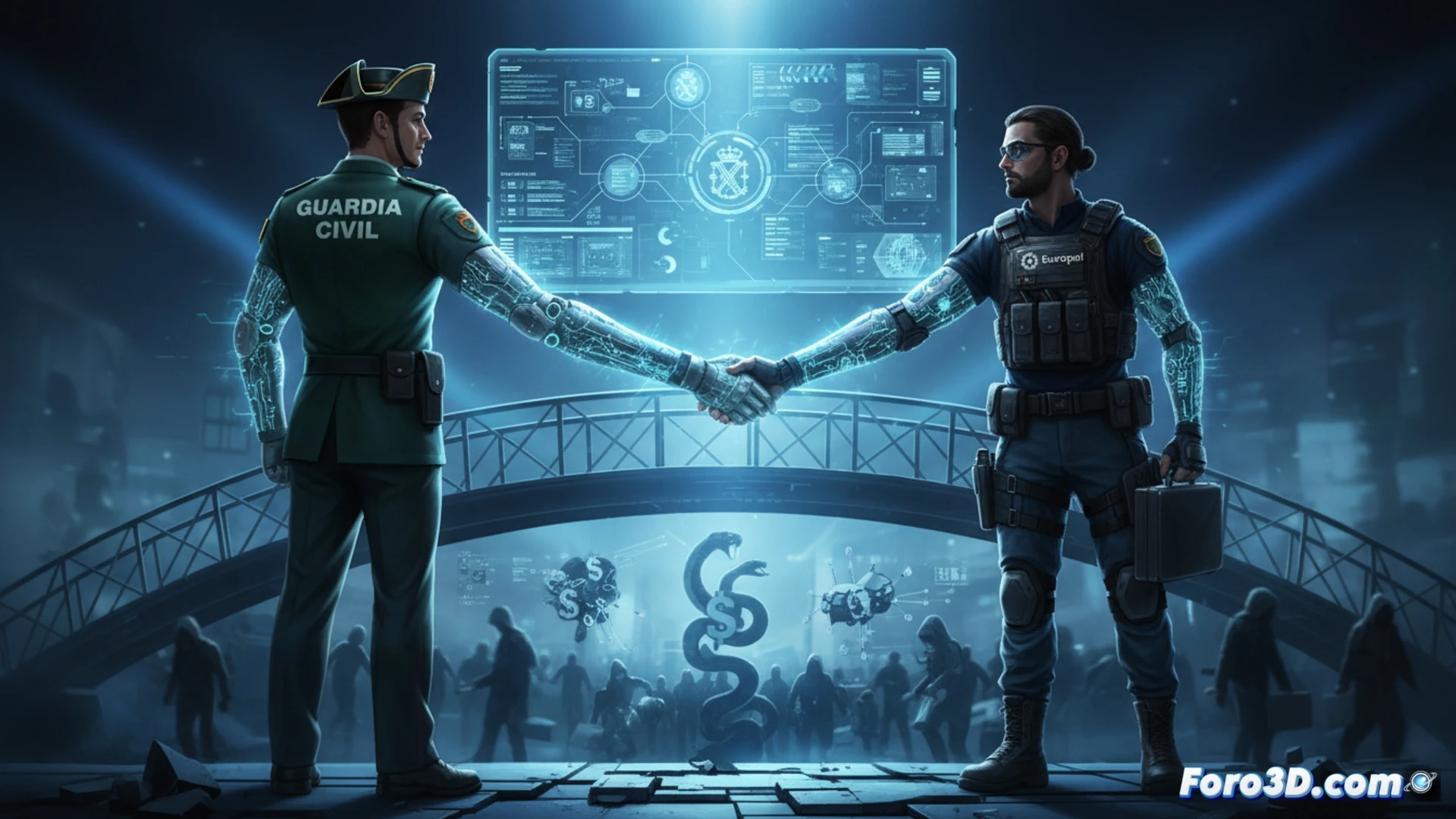
Technical integration of databases and real-time analysis 🔗
The proposal involves connecting the Guardia Civil's SIRENE and SIS II systems with the Europol Information System (EIS) through standardized API interfaces. This would allow automated queries of profiles, vehicles, and modus operandi without duplicating processes. Additionally, Joint Investigation Teams (JITs) are planned with access to the SIENA platform for encrypted intelligence exchange, reducing response times in cases of drug trafficking or cybercrime.
Europol: the contact list no one wants to lose 📞
Integration sounds great, but surely some unit chief is already sweating at the thought of having to share their precious contact list with the rest of Europe. Because we all know that, in this cooperation business, the problem isn't the technology, but who gets the credit for the operation. Of course, while they argue, the bad guys already have VPNs and accounts in tax havens.