The character Constrictor, created by Len Wein and John Romita Sr. for Marvel Comics, represents a paradigmatic case in the analysis of copyright on fictional characters in the digital age. This mercenary, who uses electrified vibranium cables on his forearms, is not only an iconic villain but also an example of how a character's distinctive elements (name, design, equipment, and powers) are legally protected, directly impacting 3D model creators and digital artists.
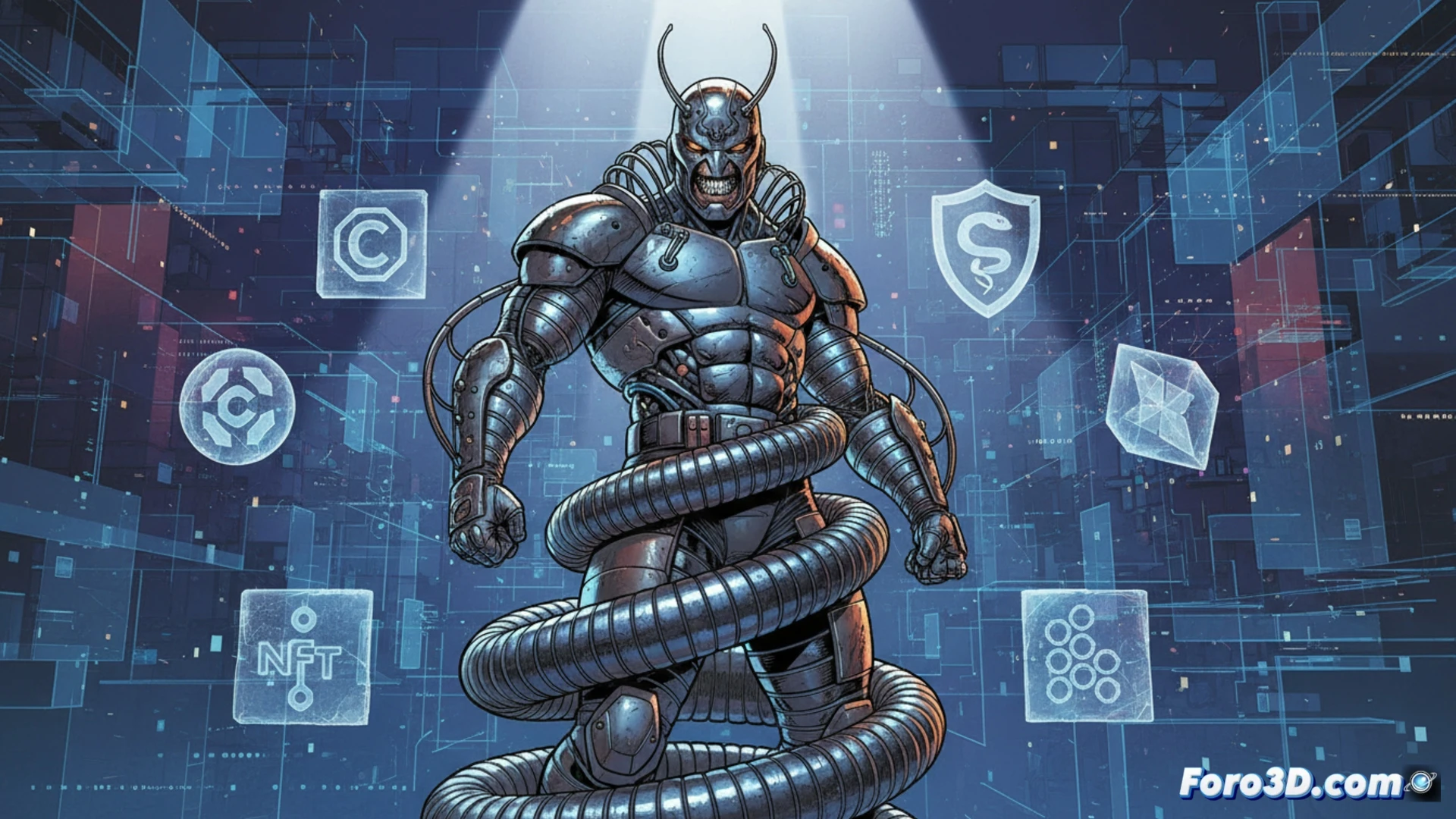
Technical analysis of rights over fictional characters ⚖️
From a legal perspective, Marvel characters like Constrictor are considered derivative works protected by copyright, provided they meet the criteria of originality and concrete expression. This implies that any digital representation, whether a 3D model for printing or an NFT, that reproduces identifying traits of the character (such as his armor or electrified cables) could infringe rights without an express license. Jurisprudence in the US and the EU establishes that a character is protected even outside its original work, as long as it is recognizable. For 3D modelers, this means uploading an STL file of Constrictor to platforms like Cults3D or selling it as an NFT on OpenSea without authorization from Marvel Entertainment exposes them to claims for copyright and trademark infringement. The fair use or parody exception is limited and does not cover direct commercial uses.
Implications for digital creators and collectors 🎨
The rise of digital merchandising and printable replicas forces a rethinking of the boundaries between fan art and commercial exploitation. While a 3D model of Constrictor created for personal use typically does not generate legal issues, its free distribution or sale on NFT markets can indeed trigger Marvel's protection mechanisms. Creators should opt for original designs inspired by the mercenary-with-cables archetype, but without copying protected elements such as the name or the specific design of the bracers. The lesson is clear: intellectual property over classic comic book characters remains a minefield in the digital environment, where technical innovation must be accompanied by a solid legal strategy.
How the unauthorized use of Marvel's Constrictor character in other media influenced the evolution of digital intellectual property policies within the comic book industry
(PS: AI can generate art, but not copyright... like us, who generate polygons but not money)