The normalization of aggressive driving reveals a deep contradiction: the same society that demands road safety rewards impatience and competitiveness behind the wheel. Awareness campaigns fail if they do not address structural causes, such as poor traffic planning and work pressure to arrive quickly. The solution is to prioritize efficient public transportation, redesign roads to calm traffic, and toughen penalties for dangerous maneuvers, instead of placing all the blame on the individual driver.
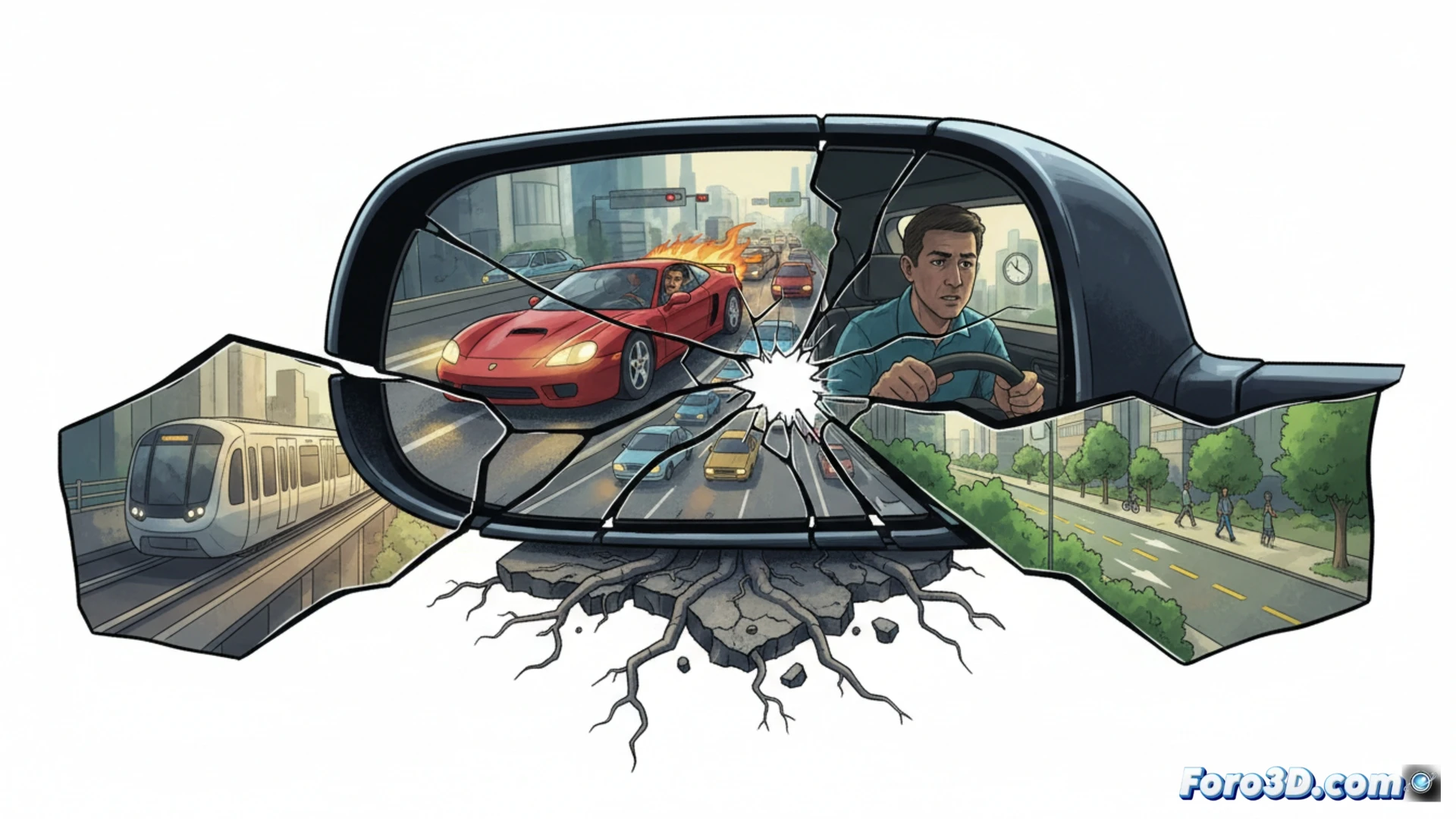
Sensors and asphalt: technology against road rage 🚦
Urban design and technology can reduce tension on the streets. Smart traffic lights that synchronize traffic waves, average speed cameras, and black spot monitoring systems provide data to reorganize conflictive intersections. Raised roundabouts, lane narrowing, and deterrent speed bumps force slower and more predictable traffic flow. These measures, combined with mobility apps that integrate public transport in real time, take away reasons for haste and make the driver's seat a less hostile place.
The Formula 1 driver who brings home the bread 🏎️
It is curious that the same office worker who accelerates at a traffic light as if competing in the Monaco Grand Prix then complains that gasoline is expensive. That hero of impatience ignores that his feat only saves him 45 seconds, which he loses waiting for the next traffic light. If he applied that energy to requesting a bike lane or a more frequent bus, he might arrive earlier, cheaper, and without having to pretend he is Lewis Hamilton.