3D technology transforms the buyer's work by allowing them to evaluate parts and components before purchasing them. It is no longer necessary to rely solely on 2D drawings or physical samples. A clear example: reviewing a complex gear in 3D allows you to see tolerances, interferences, and simulated materials. Programs like Autodesk Fusion 360 or SolidWorks facilitate this collaborative review between departments.
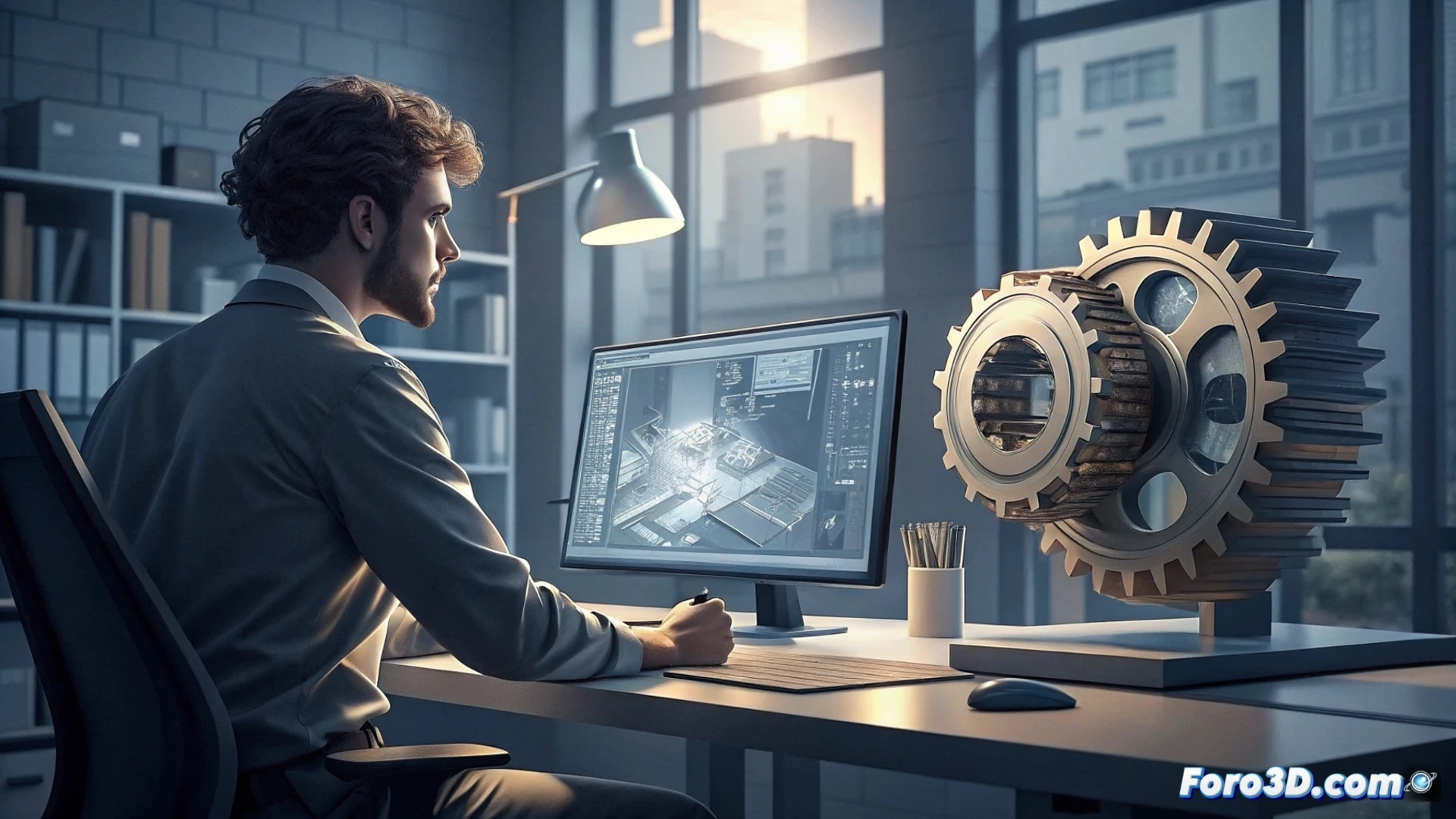
Technical visualization and supplier validation 🔧
The buyer loads STEP or IGES models into free viewers like eDrawings Viewer or Autodesk Viewer. With them, they verify geometries, detect collisions in assemblies, and measure key distances. This reduces returns and clarifies requirements with the supplier. Additionally, tools like Blender allow for creating quick renders for internal presentations. The workflow avoids misinterpretations and speeds up the approval of complex orders.
The day I bought an invisible hole 🕳️
A colleague bought a batch of flanges based on a 2D drawing. When they arrived, the mounting holes were on the opposite side. The fault was the supplier's, but also due to not reviewing the 3D model. Now, before signing any order, they demand to see the STL file. If the seller makes excuses like the program won't let me, the buyer responds: then learn or sell screws. Technology is not magic, it's common sense.