3D technology has sneaked into vocal rehearsals. A singer can analyze their vocal tract in real time to correct resonances and avoid injuries. The software allows you to visualize the vocal cords in three dimensions, something you previously only saw with an ENT specialist in a hurry. It's not magic, it's scanning and modeling.
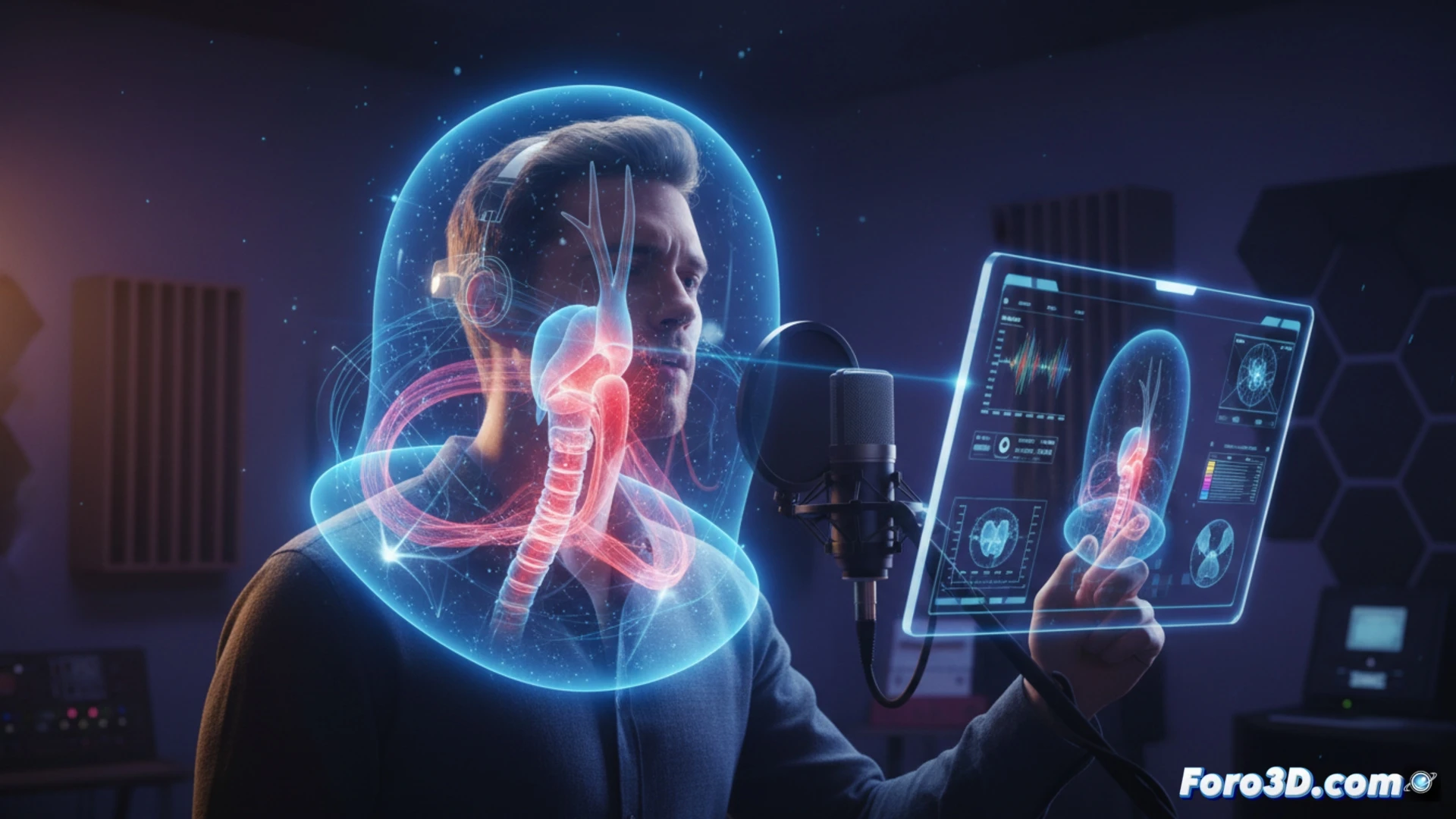
3D modeling of the vocal tract to adjust pitch 🎤
Programs like VoceVista Video or the 3D analysis system from the University of Iowa allow mapping the larynx and palate. The singer sees a three-dimensional model of their throat on screen while singing. If the shape of the tract doesn't match the target note, the software marks the deviation. You have to adjust the tongue position or the jaw opening. Resonant Vocal Tract 3D is also used to simulate timbre changes without straining the voice. All of this avoids shouting to hit a high note.
The day my throat turned into a Play-Doh model 😅
The problem comes when the 3D scanner tells you your pharynx looks like a clogged pipe. You think you sing like an angel and the software draws you a crooked hole. The worst part is when the program suggests you relax your epiglottis and you don't even know where it is. You end up moving your tongue like a lizard while the 3D model flashes with alarm colors. Good thing no one sees that screen at karaoke.