The traditional merchandiser spends hours searching for stands or displays that fit a shelf. 3D technology allows for designing and manufacturing custom pieces for each product or promotion. A clear example: creating specific holders for limited-edition cans that fit the available store space to the millimeter, without relying on generic catalogs.
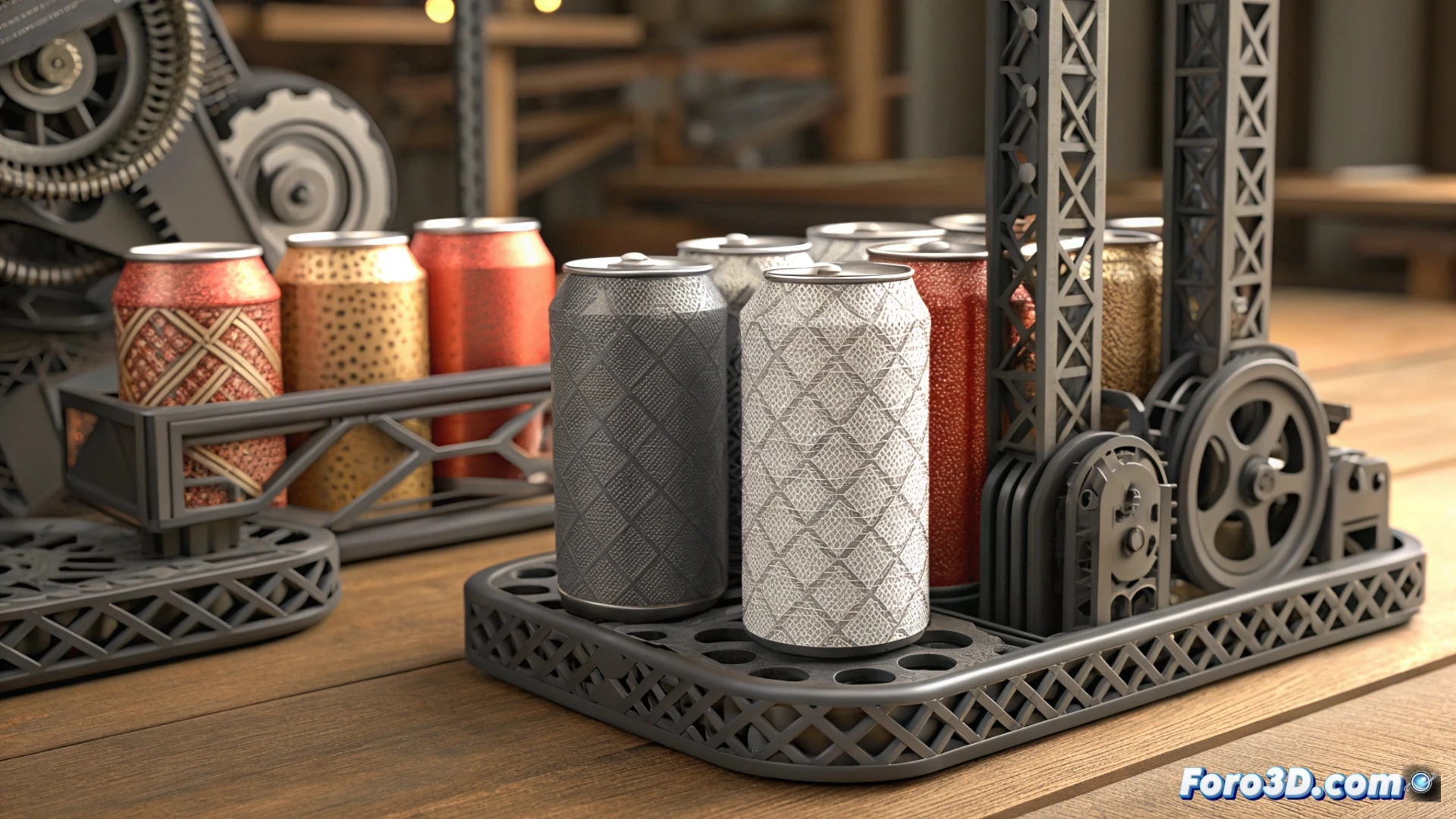
Software and workflow for rapid prototyping 🛠️
To start, you need modeling software like Blender (free) or Fusion 360 for technical parts. Then, a slicer like Cura or PrusaSlicer to prepare the file. The printer can be a mid-range FDM, like a Creality Ender. The process: measure the shelf, model the holder, print it in PLA, and test it on-site. If it fails, adjust and reprint in hours, not weeks.
The day I printed a display and almost got fired 😅
Everything was going well until the store manager asked why there was a neon violet holder among premium products. Turns out I forgot to change the filament after printing a keychain for my nephew. Lesson learned: 3D printing gives you freedom, but also the ability to screw up with style. At least the holder held up, even though it looked like a 90s toy.