The CNC operator's trade focuses on chip-removal machining, but 3D technology offers tools to streamline processes. For example, an operator can 3D print a custom vise jaw to hold a complex part, avoiding hours of manual adjustments. Programs like Fusion 360, Simplify3D, or Cura allow for quickly designing and preparing these accessories.
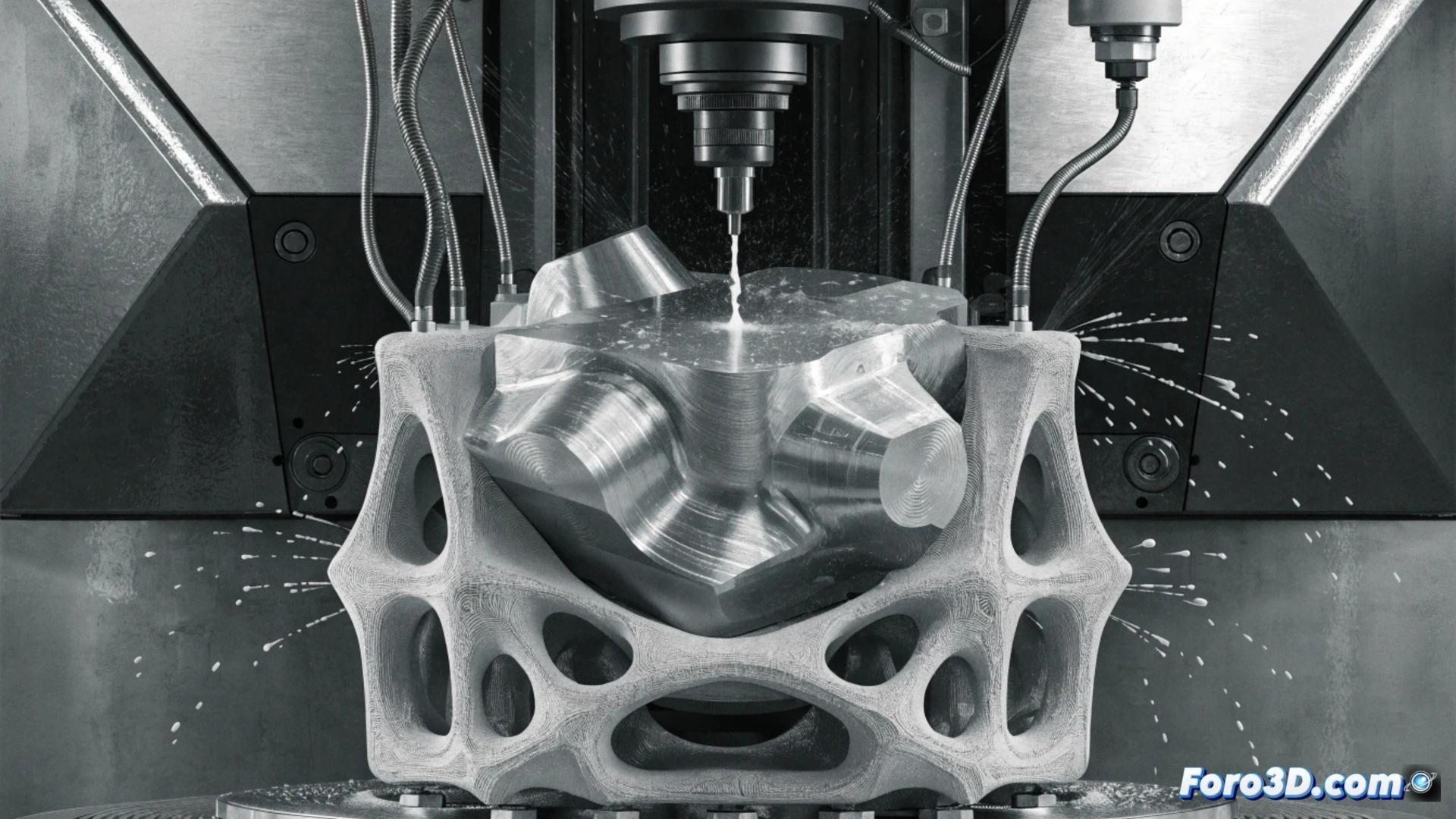
Integration of 3D Models in Machining Preparation 🛠️
The use of digital 3D models allows the CNC operator to simulate tool paths before starting the machine, reducing collisions and errors. With software like SolidWorks or Mastercam, virtual prototypes of final parts can be generated and tolerances verified. Additionally, 3D printing of jigs (such as drilling templates) shortens setup times and avoids manufacturing expensive metal fixtures. This does not replace the lathe or milling machine, but it does optimize each work cycle.
When Plastic Saves Metal (and the Operator) 😅
Imagine a rainy Monday, the client requests a part with an impossible geometry, and the tooling supplier takes two weeks. The CNC operator, with a crooked smile, designs a solution in 15 minutes and prints it in PLA. The clamping part holds up during machining, the client never finds out, and the boss thinks it was magic. Of course, as long as it doesn't melt from the hot chips, or they'll have to explain why the workshop smells like burnt caramel.