3D technology not only transforms manufacturing, but also offers valuable tools for the software engineer. It allows visualizing complex architectures, prototyping hardware for IoT, and debugging embedded systems in a tangible way. A clear example is the design of enclosures for devices with sensors.
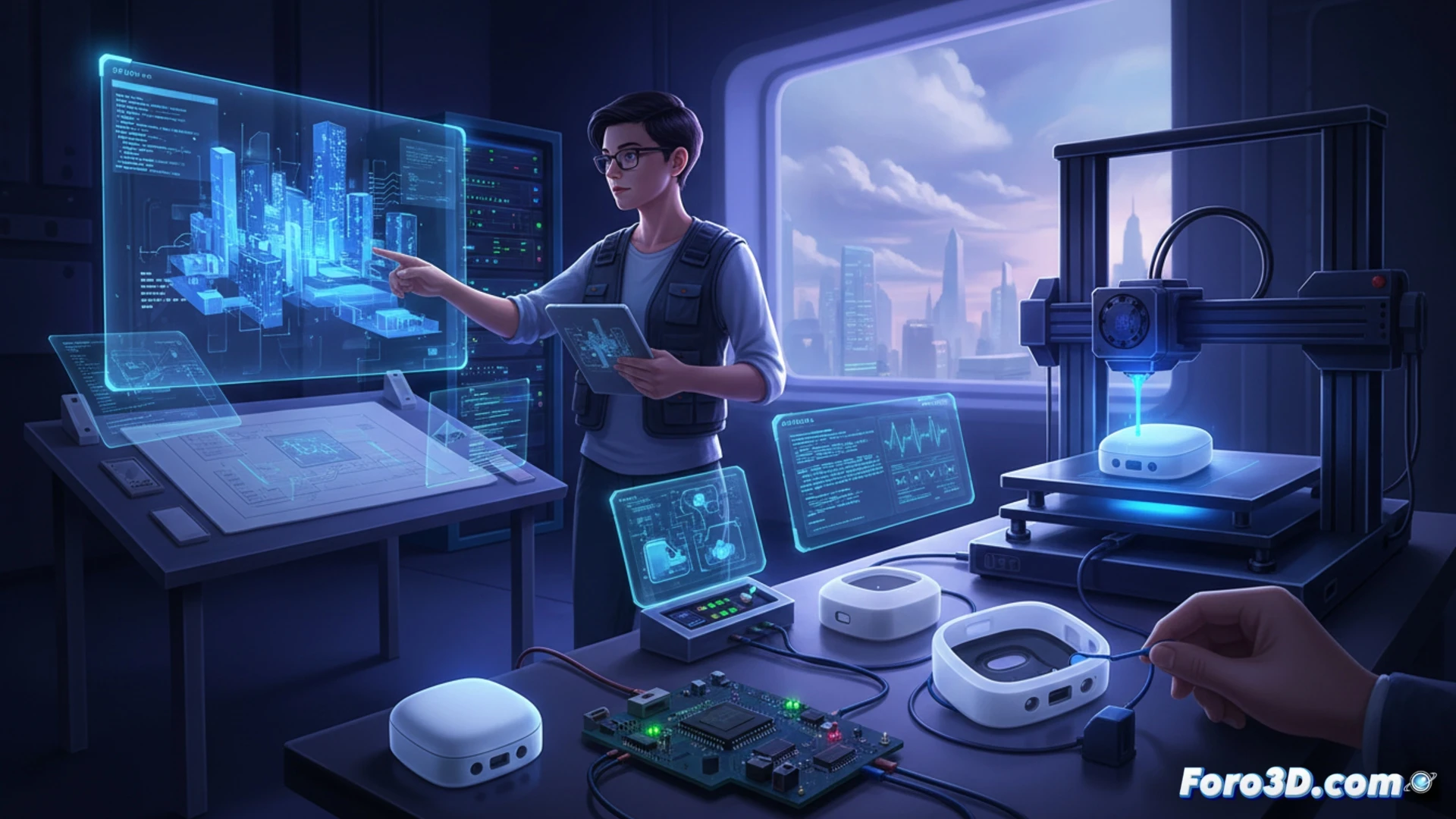
Physical prototyping to validate code in embedded systems 🛠️
When developing firmware for a drone, the engineer needs to test the interaction between sensors and motors. With a 3D printed enclosure (using Fusion 360 for design and Cura for slicing), they can assemble the actual components and validate the code in a physical environment. This reduces logic errors that do not appear in pure simulations, saving hours of debugging.
Debugging with melted plastic and cold coffee ☕
Because there's nothing like discovering that your stabilization algorithm fails because the center of gravity of your printed prototype is shifted by 3 millimeters. It's the perfect excuse to say that the error is not in your code, but in the geometry of the part. You're lying, of course, but at least you have a physical object to point at while you drink a coffee that has been cold for hours.