3D technology allows the industrial engineer to visualize, simulate, and optimize production processes before building anything physical. With three-dimensional models, design errors and prototyping costs are reduced. For example, when designing an assembly line, collisions between robotic arms and parts can be detected without stopping the real factory.
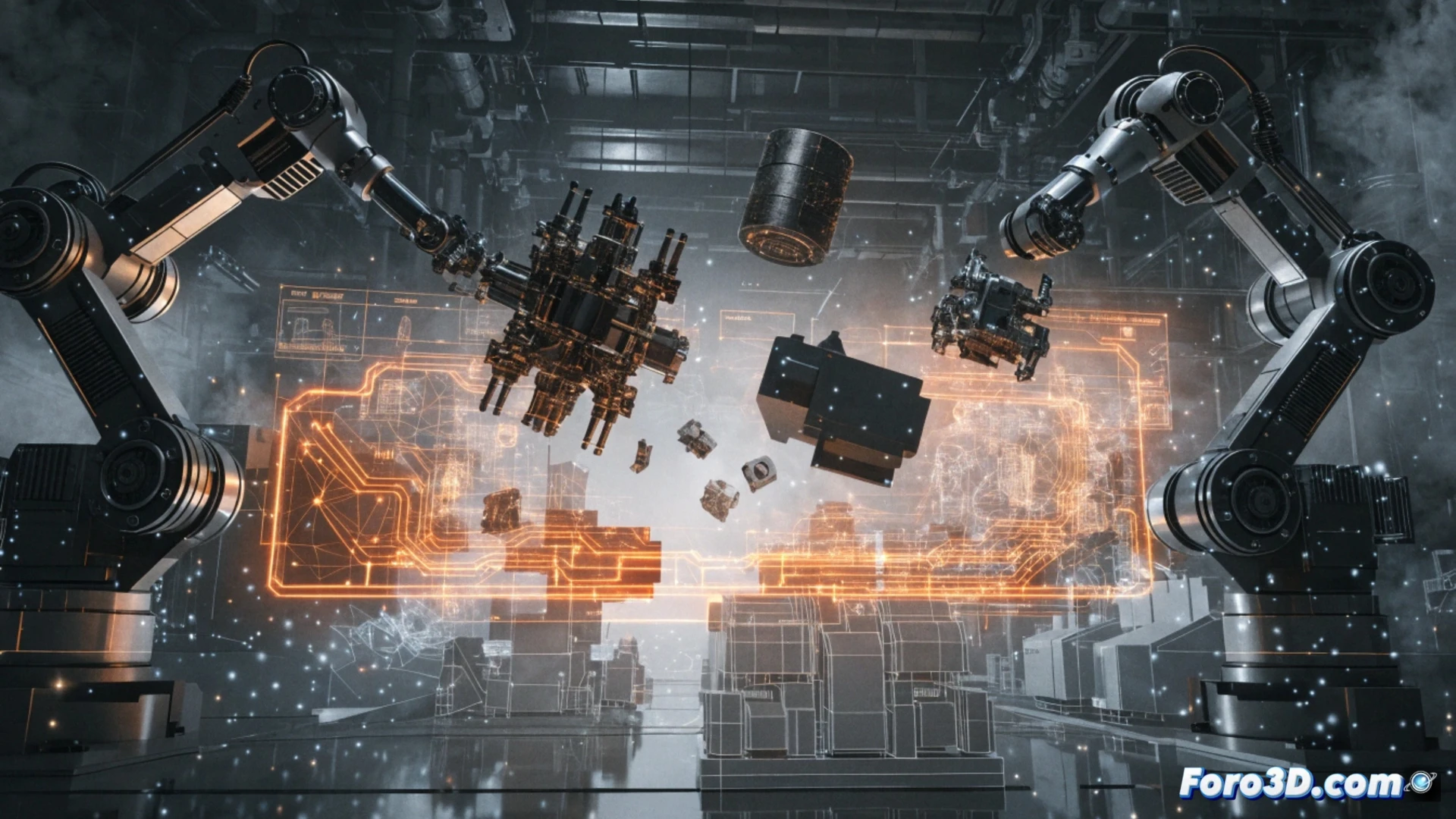
Key software for simulating entire factories 🏭
For industrial 3D modeling, SolidWorks and Autodesk Inventor are used in mechanical design. For workflow and ergonomics simulation, Tecnomatix Plant Simulation and Siemens NX offer virtual environments to test changes. With these programs, an engineer can adjust machine layout, calculate cycle times, and predict bottlenecks, all from their screen.
The day 3D saved my prototype 😅
A colleague designed a part so complex that on the blueprint it looked like a tangle of spaghetti. In the 3D model, he discovered that when assembled, it collided with itself. Good thing he didn't have it manufactured in metal, because he would have had to explain to the boss why we had a modern sculpture instead of a gear. The moral: better to crash on the screen than in the workshop.