An experimental salinity gradient power (PRO) plant has collapsed under circumstances pointing to a critical design error. The structure, designed to generate electricity through the controlled mixing of fresh and saltwater, gave way due to localized pressures in the membrane modules. The phenomenon known as concentration polarization, where ions accumulate on the membrane surface, generated mechanical stresses that the original design software did not account for, turning a pioneering facility into a scene of industrial catastrophe.
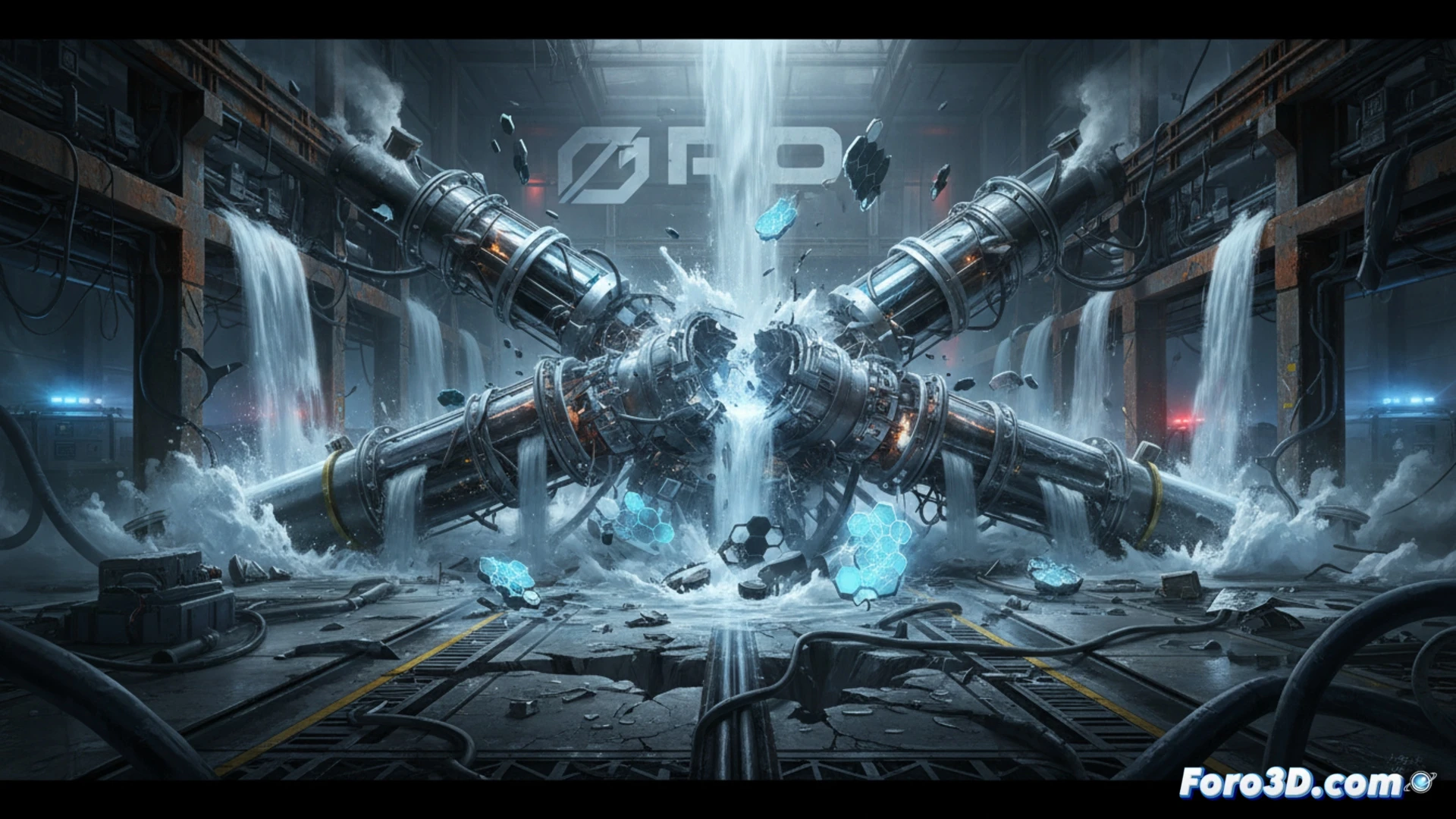
Forensic reconstruction with COMSOL, Revit, and RealityCapture 🛠️
To understand the disaster, we subjected the case to a triple 3D analysis. First, we used COMSOL Multiphysics to simulate fluid flow and ion diffusion in the membranes. The simulation revealed that concentration polarization not only reduced energy efficiency but also created pockets of high localized osmotic pressure, exceeding the strength of the plastic structural supports. With Revit, we modeled the industrial plant based on the original blueprints, identifying that the anchors of the membrane frames were undersized for these dynamic loads. Finally, we used RealityCapture to process dozens of aerial and ground photographs of the debris, generating a precise 3D model of the collapse. Overlaying this data showed that the fault line in the structure coincides exactly with the areas of highest localized pressure predicted by COMSOL.
Lessons for clean energy engineering ⚡
This accident underscores an uncomfortable truth: green technologies are not exempt from catastrophic risks if not properly modeled. The error was not in the PRO concept, but in the excessive simplification in structural design. The combination of multiphysics simulation, BIM modeling, and forensic photogrammetry not only explains the collapse but establishes a protocol for future plants. If phenomena like concentration polarization are not integrated into strength calculations, the next collapse could occur at a commercial-scale facility, with far greater consequences for human life and confidence in the energy sector.
Could the omission of modeling reverse osmosis fatigue in the pressure exchanger membranes have been the root cause of the structural collapse at the PRO plant?
(PS: Simulating catastrophes is fun until the computer melts down and you are the catastrophe.)