The International Olympic Committee has announced a radical change for the Los Angeles 2028 Games. From that date onwards, eligibility in the women's category will be determined exclusively through a genetic test, leaving aside hormonal or sexual development analyses. The measure aims to simplify a complex debate, but it is already generating divided reactions in the world of sports.
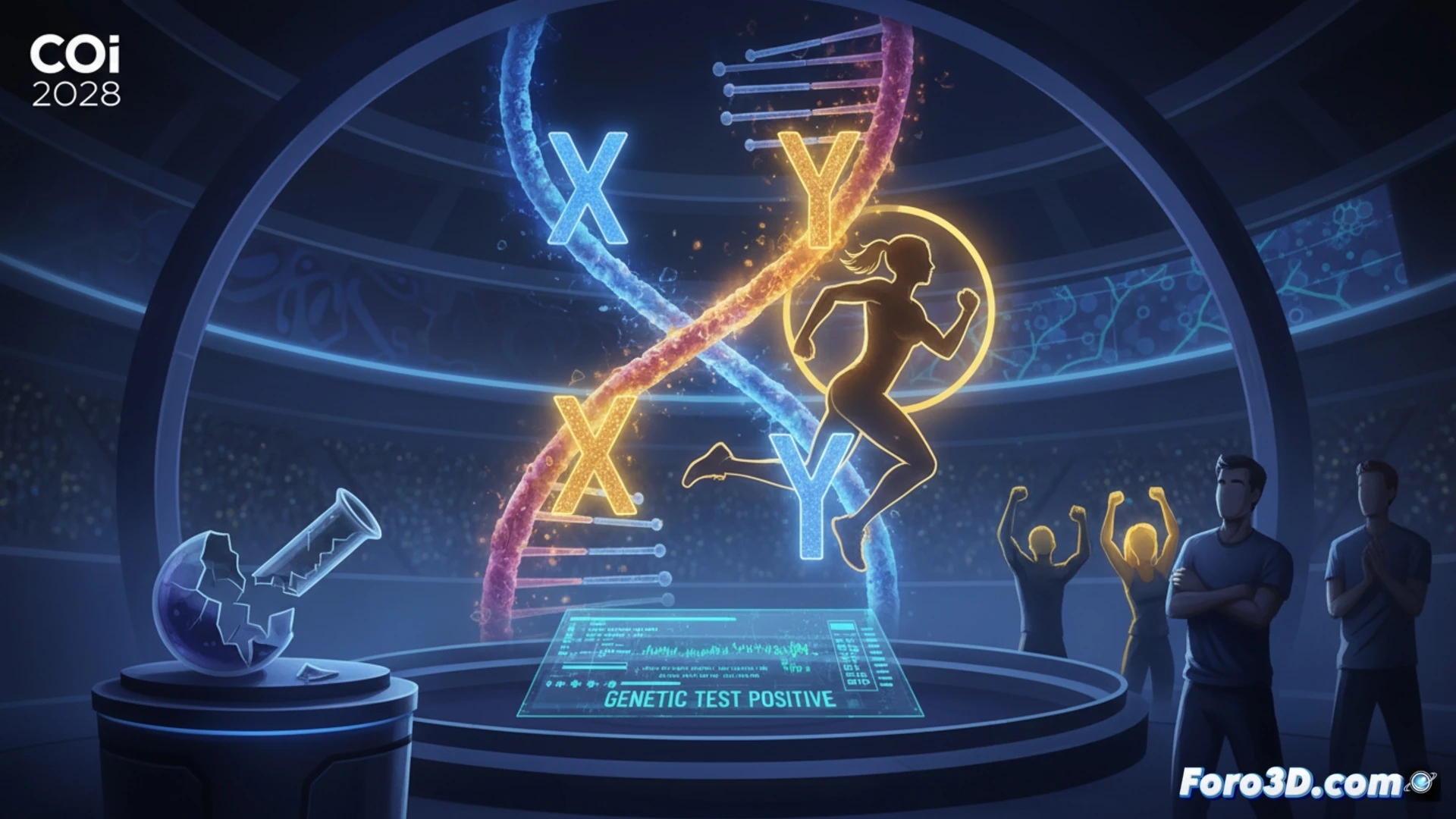
Technology at play: The chromosome test as the final judge 🧬
The IOC's decision implies a shift towards molecular biology as the sole arbiter. A blood or saliva analysis will be implemented to detect the presence of the Y chromosome, replacing the testosterone controls that marked the last Olympic cycles. This method offers clear and fast results, but ignores conditions such as Androgen Insensitivity Syndrome. The scientific community points out that genetics does not always align with athletic development, opening a new front of debate on the limits of technology in competition.
Goodbye hormones, welcome the DNA lab 🧪
After years of debating testosterone levels and fairness, the IOC has opted for the most direct solution: asking the genetic code itself. Now, athletes will not only train for the medal, but will also pray that their saliva has no chromosomal surprises. While medical committees prepare the analysis kits, one imagines sprinters asking their parents if they thoroughly checked the family tree before signing them up for the 100-meter test.