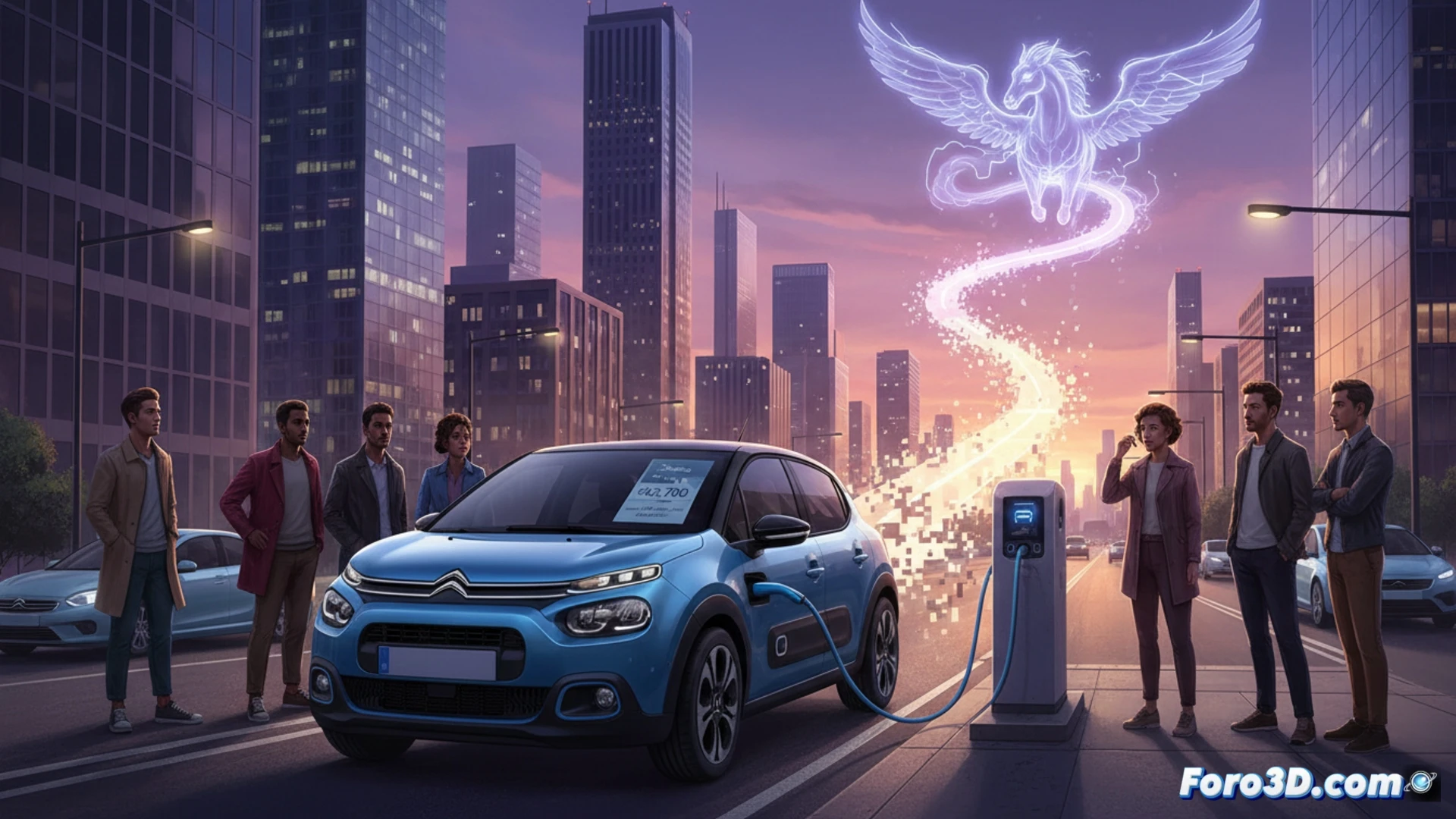
The average price of electric vehicles in Europe has dropped by 1,800 euros in 2025, settling at 42,700 euros. This decrease is driven by new CO2 regulations, pushing manufacturers to launch more affordable models like the Citroën ë-C3 or the Renault 5, with a 13% cost reduction. However, the joy for your wallet clashes with a stubborn reality: more than half of drivers have never achieved the range they were promised when buying.
The lab trick vs. the real road 🧪
The discrepancy between official and real-world range is not due to inevitable battery degradation, but to the methodology of homologation tests. Laboratory cycles, such as WLTP, optimize temperature, speed, and weight conditions that rarely occur in daily use. Factors like using the heater, air conditioning, highway driving, or mountainous terrain reduce the effective range. The result is that a car promising 400 kilometers ends up at around 280 in winter.
The charger and the electric driver's faith 🔌
So now you can buy a cheaper electric car, but it remains an act of faith. You leave home with the battery at 100% and the app tells you you'll make it, but your instinct reminds you that almost doesn't charge the car. It's like going to a gas station and the pump telling you: Today I'll give you 40 liters, but only if you drive downhill with the wind at your back and no music. Real-world range is the last unsolved mystery of sustainable mobility.