With the release of Disclosure Day just around the corner, it's worth revisiting two films that anticipate its essence. The Age of Disclosure (2025) exposes the government cover-up of extraterrestrial life from a documentary perspective, without action. On the other hand, Species (1995) approaches the same theme from biological horror. Both offer plot and tonal clues to enjoy Spielberg's new film.
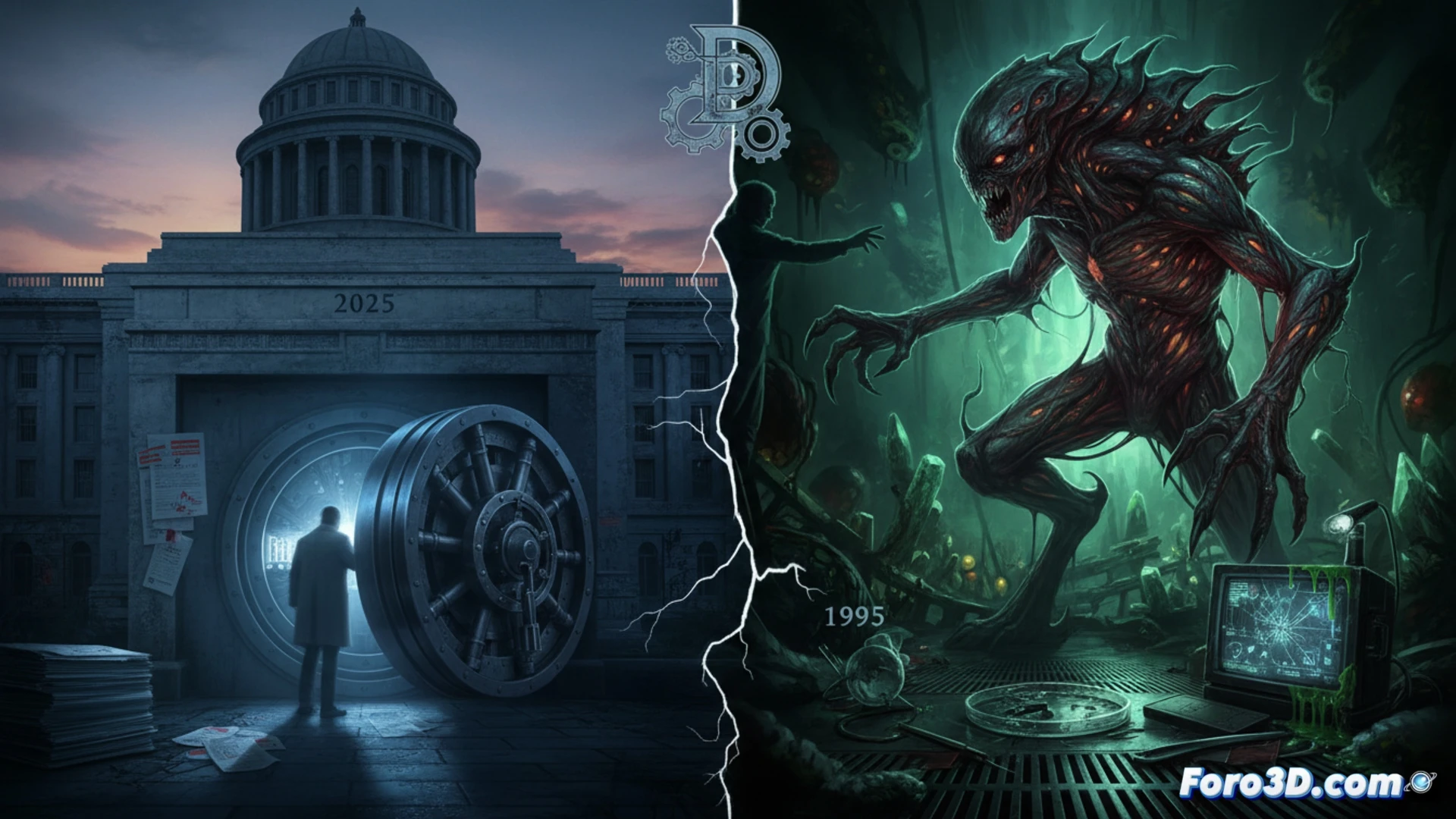
The technical evolution of the extraterrestrial narrative in cinema 🎬
The Age of Disclosure uses real testimonies and classified material to build its narrative, relying on a dry editing style without digital effects. In Species, the technical development focused on practical effects of creatures created by Stan Winston, which gave the alien hybrid a disturbing physicality. Both films, from opposite poles, demonstrate that the human factor or makeup can be more effective than digital pyrotechnics in generating credibility.
Spoiler: aliens still don't want to talk to us 👽
If you expect that in Disclosure Day the extraterrestrials will step out of the UFO to order a coffee, you'd better adjust your expectations. The Age of Disclosure leaves you with the same existential doubt as always, and Species reminds you that if you create an alien hybrid in your lab, it will most likely end up destroying the furniture. In the end, humanity still doesn't know whether to call the army or a plumber.