The profession of a surgeon involves constant exposure to biological and physical hazards. From needlesticks with contaminated needles and the risk of infections such as hepatitis or HIV, to the extreme stress of operations lasting hours. Added to this are forced postures that generate chronic neck and back injuries, and radiation from intraoperative X-rays. However, 3D technology is emerging as a protective shield for these professionals.
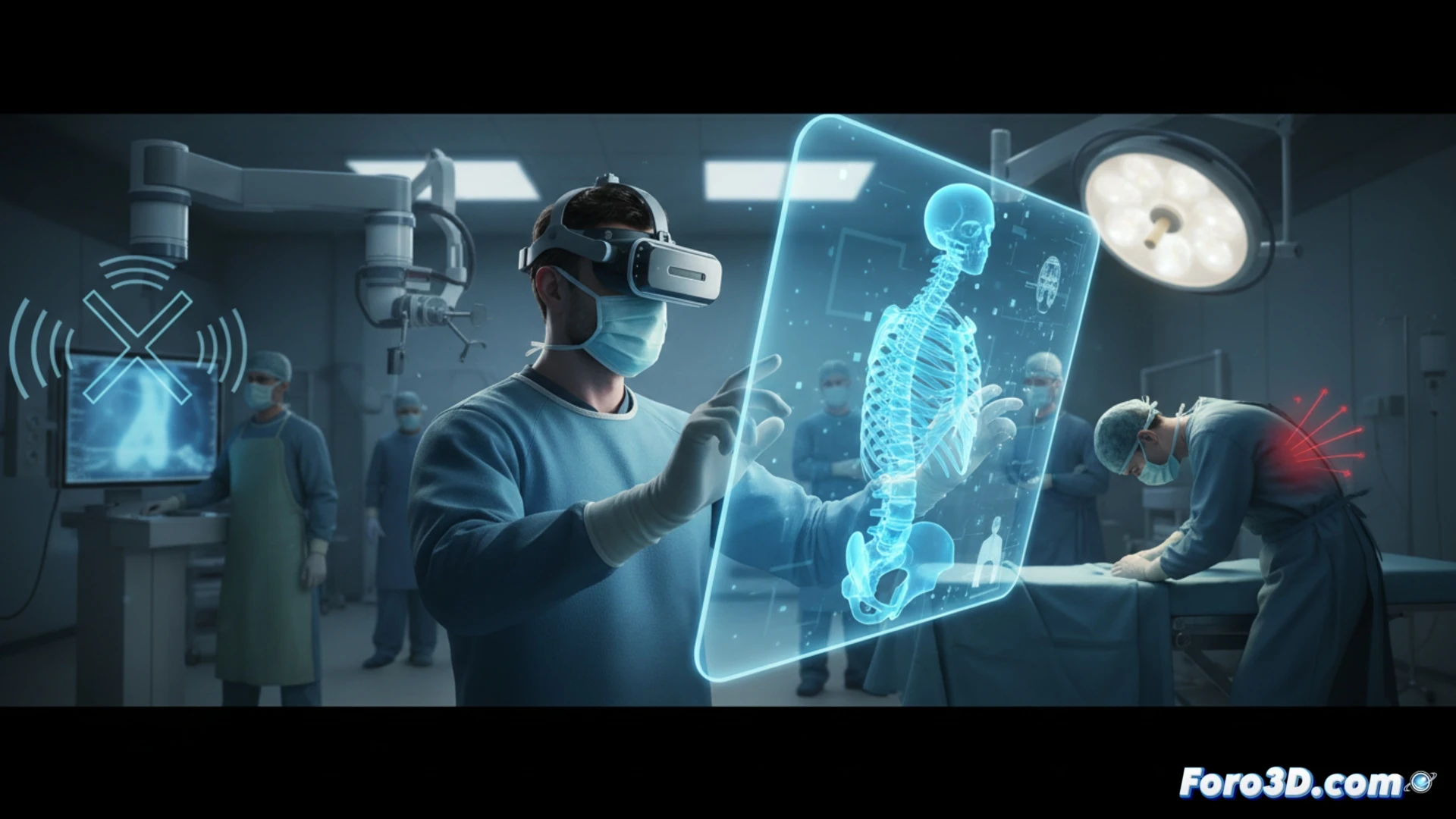
Digital twins and virtual reality: the risk-free operating room 🛡️
Presurgical planning using digital twins allows the surgeon to study the patient's anatomy without needing to be exposed to fluids or radiation. By simulating the operation on an exact 3D model, surgery times are reduced, which decreases fatigue and stress. Additionally, virtual reality offers a pathogen-free training environment where complex maneuvers can be practiced without the risk of needlesticks. This technology also facilitates the ergonomic design of instruments through 3D scanning, adapting handles and levers to avoid forced postures and prevent musculoskeletal injuries.
Towards safer and more sustainable surgery for the surgeon 🔬
The integration of 3D printing and digital simulation not only improves outcomes for the patient but is redefining the surgeon's occupational safety. By reducing direct exposure to fluids and radiation, and by optimizing ergonomics, these tools turn the operating room into a healthier environment. The future of 3D biomedicine must prioritize the protection of the professional, because a healthy surgeon is the best guarantee for a successful surgery.
Would you print this model in resin or filament? 🖨️