A research team has successfully incubated chicks using an artificial egg manufactured with 3D printing. This device replicates the properties of a natural eggshell and incorporates sensors that allow real-time monitoring of temperature, humidity, and embryo movements. The breakthrough opens new possibilities for studying avian development and conserving species without interfering with the biological process.
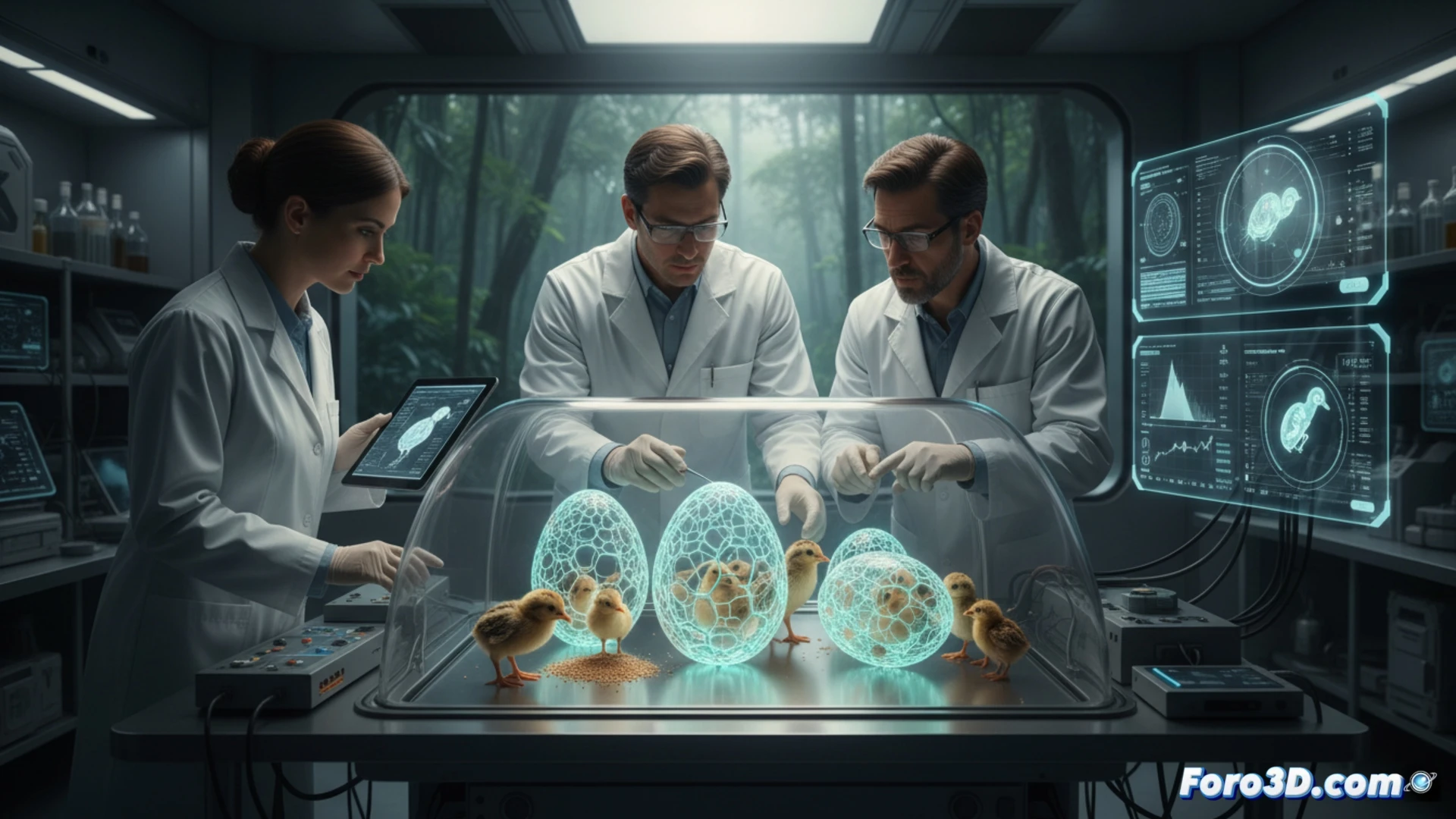
Sensors and materials replicate the embryo's natural environment 🥚
The artificial egg is made of materials that mimic the porosity and strength of a real eggshell. Internal sensors record critical variables such as temperature and humidity, as well as detecting fetal movements. This allows researchers to observe development without opening the shell or altering conditions. The system is controlled remotely, facilitating its use in laboratories and conservation projects for endangered birds.
Now chicks will be born with more data than feathers 🐤
Finally, science has solved the dilemma of what came first: the egg or the sensor. Now chicks not only emerge from the shell, but also bring with them a complete record of their intrauterine life. Of course, when they grow up and see their birth record, they might complain that their first home was made of plastic and not real shell.