The Cedar concrete 3D printer is presented as a miracle solution for the housing crisis in developing countries. However, its high price, the need for stable electricity and specialized technicians make it a useful tool only for those who already own a home. Promising affordable housing with expensive equipment is, to say the least, contradictory.
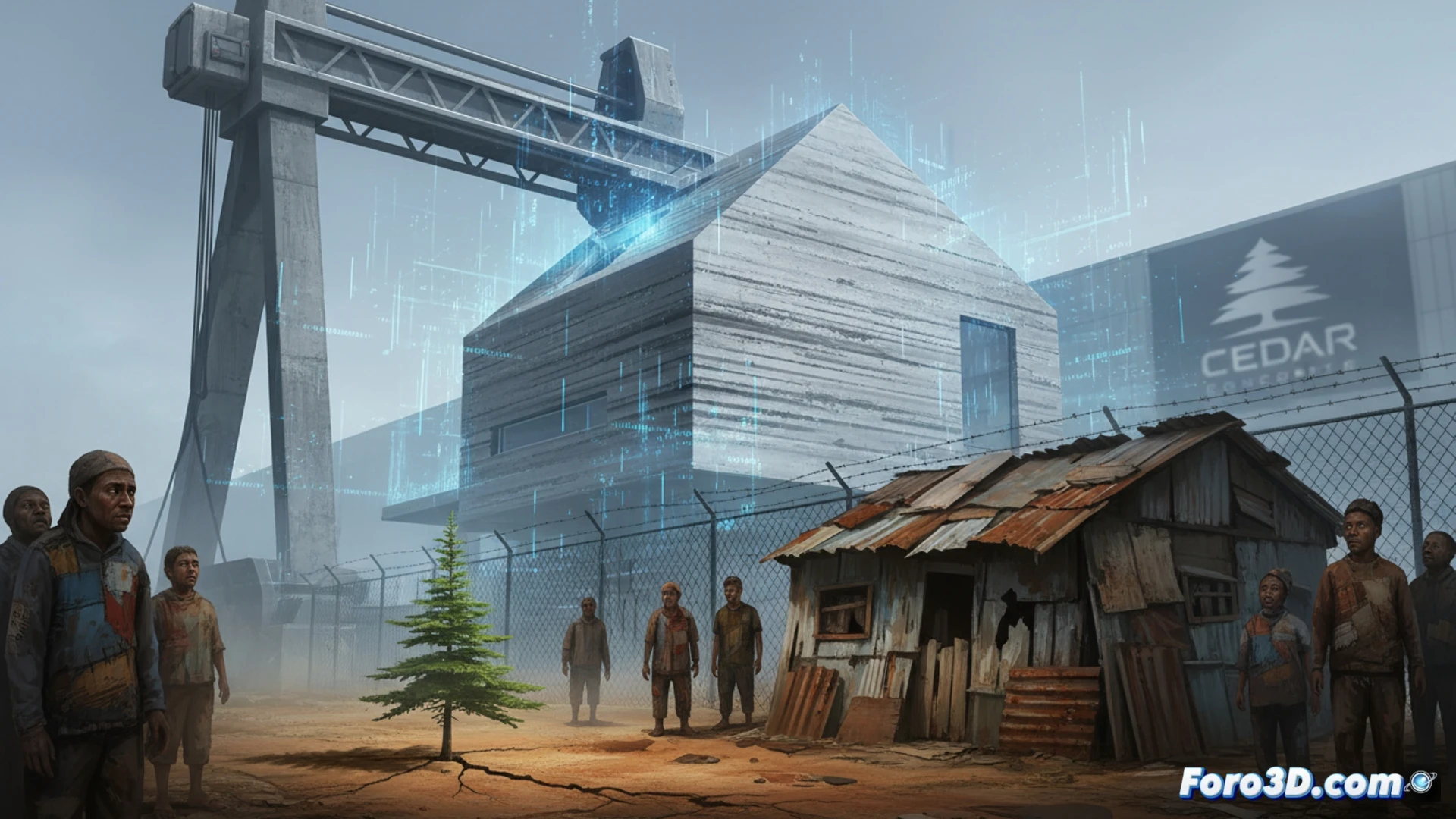
The trap of high-tech for basic solutions 🏚️
The problem is not 3D printing, but the dependence on infrastructure absent in rural communities. The Cedar requires constant electricity, hardware and software maintenance, and operators trained in urban environments. Instead of imposing this imported technology, it would be more realistic to invest in manual or low-energy versions, and in training the local population. True innovation lies in adapting the tool to the user, not the other way around.
The wet dream of an engineer with a plug 🔌
Sure, nothing like watching a printer spit out a house in 24 hours while the village still has no power. It's like giving a Ferrari to someone who needs a bicycle: nice, fast, and completely useless for getting to the market. Next time, maybe they'll include a diesel generator and a lifetime Swiss technician in the package. Meanwhile, the poor will keep sleeping under roofs that don't need WiFi.