A team of researchers in Alicante has developed a catalyst manufactured with 3D printing that optimizes green hydrogen production. This breakthrough could make clean fuels cheaper and reduce pollution. For the average citizen, this means cheaper energy in the future and a breather for the planet, although it will still take a few years to notice it in their pockets.
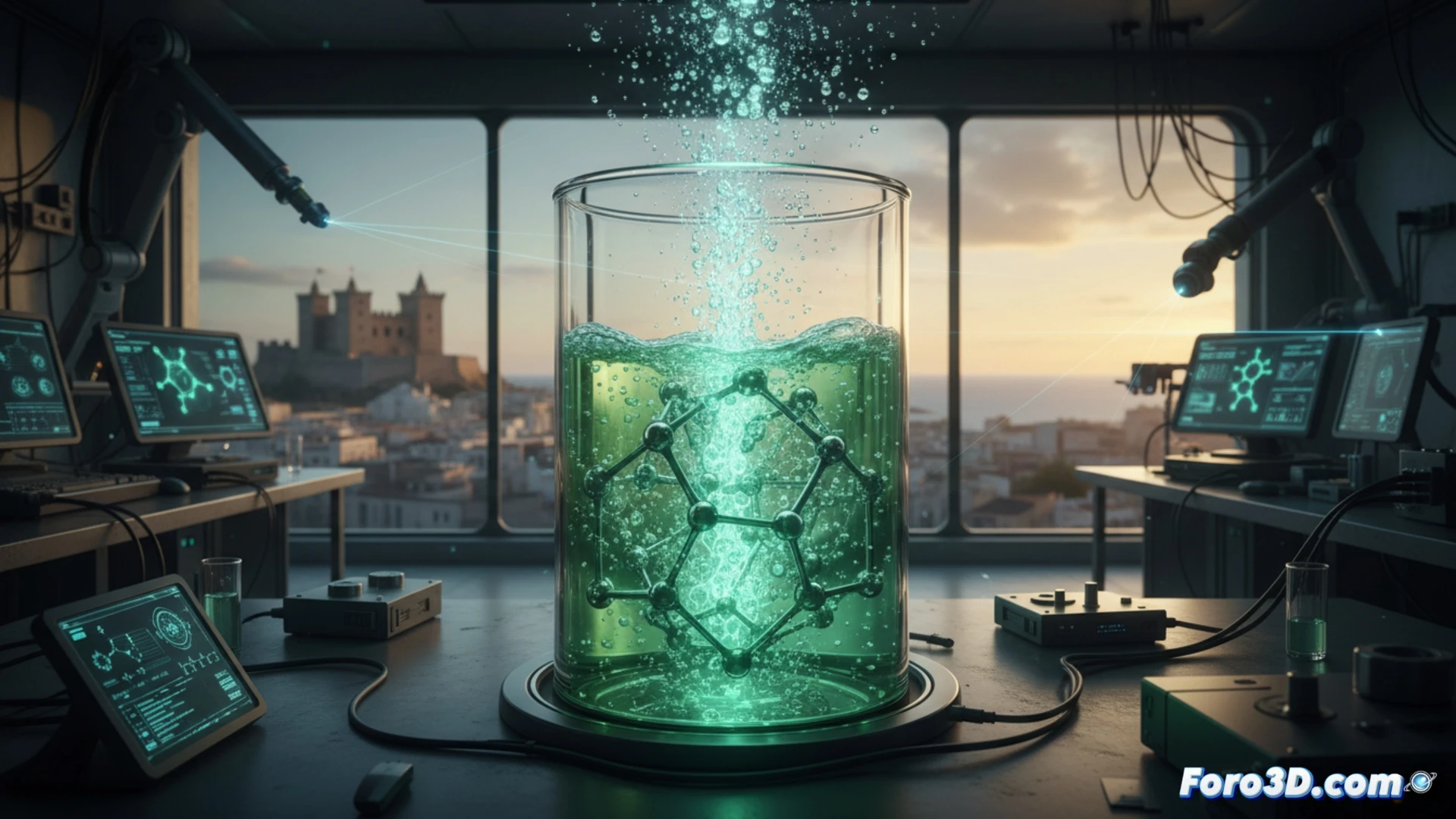
3D printing polishes catalyst performance 🔬
The key to the finding lies in the porous structure of the printed catalyst, which increases the reaction surface area and improves efficiency when splitting water into hydrogen and oxygen. Laboratory tests show stable performance over more cycles than traditional methods. By using fewer critical materials, production costs drop. It's not magic, it's geometry applied to chemistry: layer by layer, the printer designs channels that maximize contact without wasting resources.
Green hydrogen: so eco-friendly it almost hurts 💚
Now all that's left is for green hydrogen to reach gas stations without the price making us cry. Because, let's be honest, technology advances, but the wallet always lags one step behind. While scientists get excited about their printed catalysts, the rest of us dream of filling up the tank for the price of a coffee. Sure, at least the air will be cleaner while we wait for the bill.