James Cameron insists that 3D is a superior format to traditional cinema and now wants to prove it with Aliens, his 1986 science fiction classic. Following the success of the Titanic conversion, the director aims to apply the same technology to this action and space horror film. The idea is that depth and immersion will enhance the experience, although not all fans are convinced.
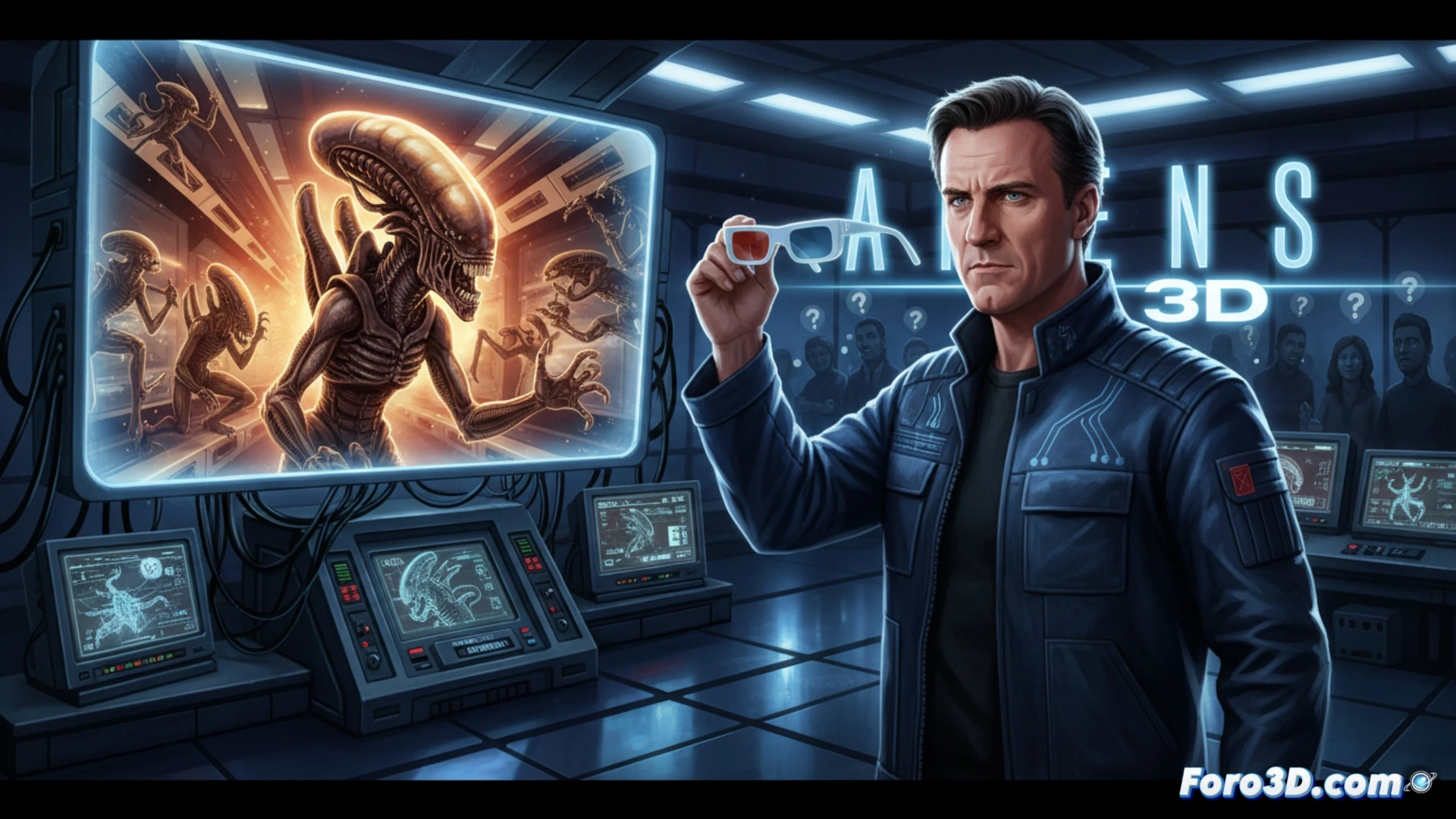
The technical process behind stereoscopic conversion 🎥
The conversion of Aliens to 3D involves meticulous rotoscoping and depth reconstruction work on a per-frame basis. Cameron uses tools such as the stereoscopic post-production system developed by his team, the same one applied to Titanic. The process separates background and foreground planes to create an illusion of volume. Unlike native 3D shooting, this technique requires adjusting shadows, reflections, and textures to avoid visual distortions. The director assures that the final result will be faithful to the oppressive atmosphere of the original.
What the facehuggers think of this new dimension 👾
While Cameron rubs his hands together, the xenomorphs from Aliens must be wondering if they need polarized glasses to keep scaring the marines. The question circulating among fans is whether seeing Ripley in 3D will make the creatures seem more real or just more expensive than they already are. The truth is, if the format doesn't convince, at least we'll have an excuse to relive the classic on the big screen, even if it's with uncomfortable glasses and an inflated ticket price.