South Korean philosopher Byung Chul-Han argues that today's society has turned people into self-exploiting performance machines. For him, human beings were not designed to work without rest, but for activities without utilitarian purpose such as play and contemplation. Neoliberal culture imposes a self-exploitation that generates stress, anxiety, and depression, distancing us from true happiness. Reclaiming play is an urgent necessity to restore balance and rediscover the pleasure of living without constant pressure.
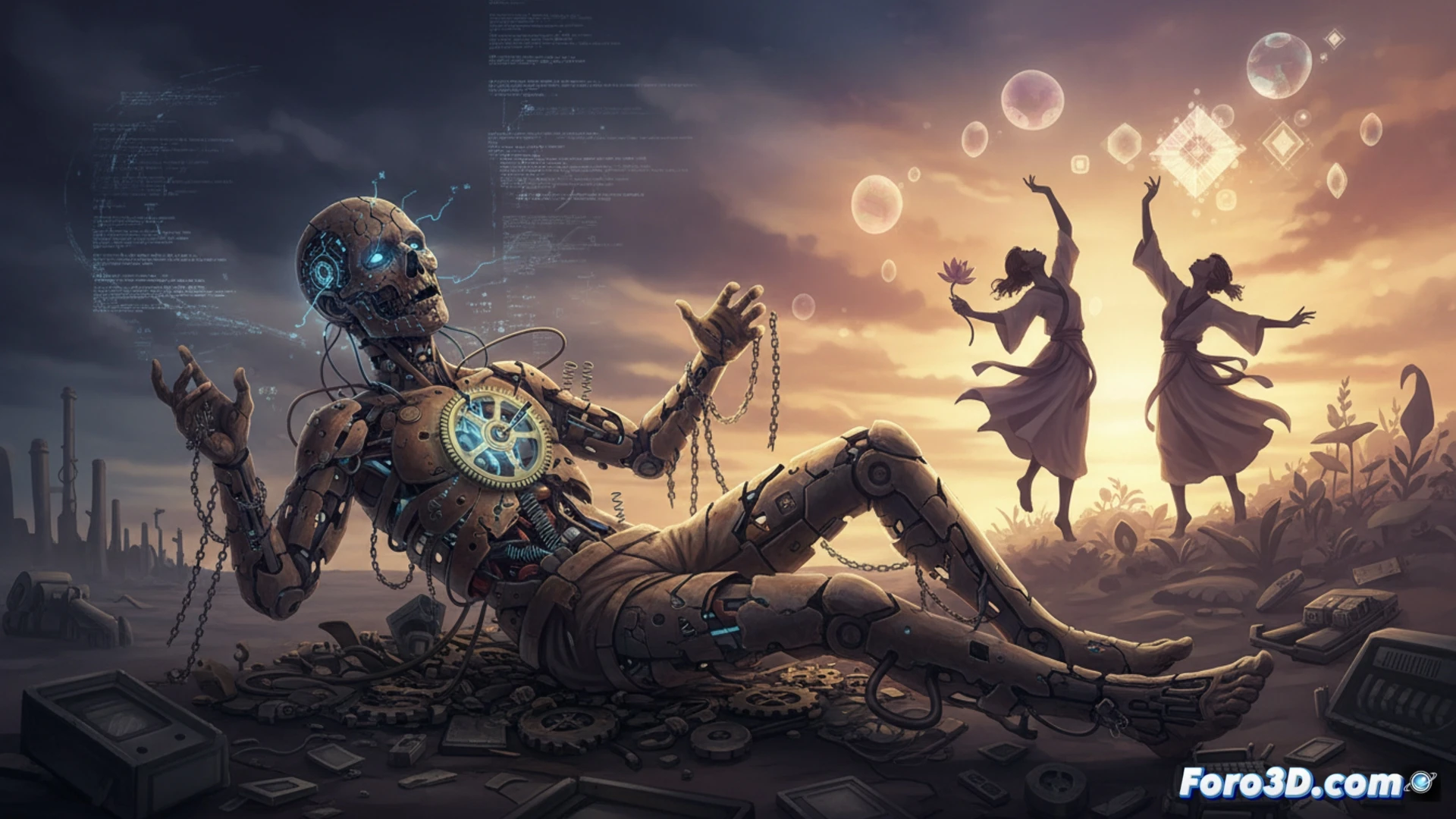
The algorithm also needs vacations: how code mimics our anxiety 🧘
In software development, the agile paradigm and continuous integration methodologies reflect this obsession with productivity. Every commit, every sprint, every deploy is expected to generate immediate value. But a system that never stops to debug, refactor, or simply run tests without haste ends up accumulating technical debt. Just as the worker burns out, the code becomes fragile. Free play practices, such as experimentation in sandbox environments or hackathons without business objectives, are essential for maintaining creativity and code health.
The productivity meditation: sitting down to do nothing (and not letting the boss see you) 🤫
Of course, applying Han's philosophy in a modern office is almost an impossible mission. You try to explain to your scrum master that you need an hour of contemplation to be more creative, and he tells you it's better to log it as training time. Play and leisure are subversive activities in a world that measures happiness in closed tickets. But if anyone asks, say you're doing existential debugging. After all, the system can't tell the difference between a thinking pause and a mental block.