In 1934, a group of young French mathematicians gathered with a modest plan: to update calculus textbooks. However, under the collective pseudonym of Nicolas Bourbaki, they created a monumental work that transformed the language of modern mathematics. Their method, based on abstraction and extreme rigor, generated nearly 4,000 pages that became a global reference.
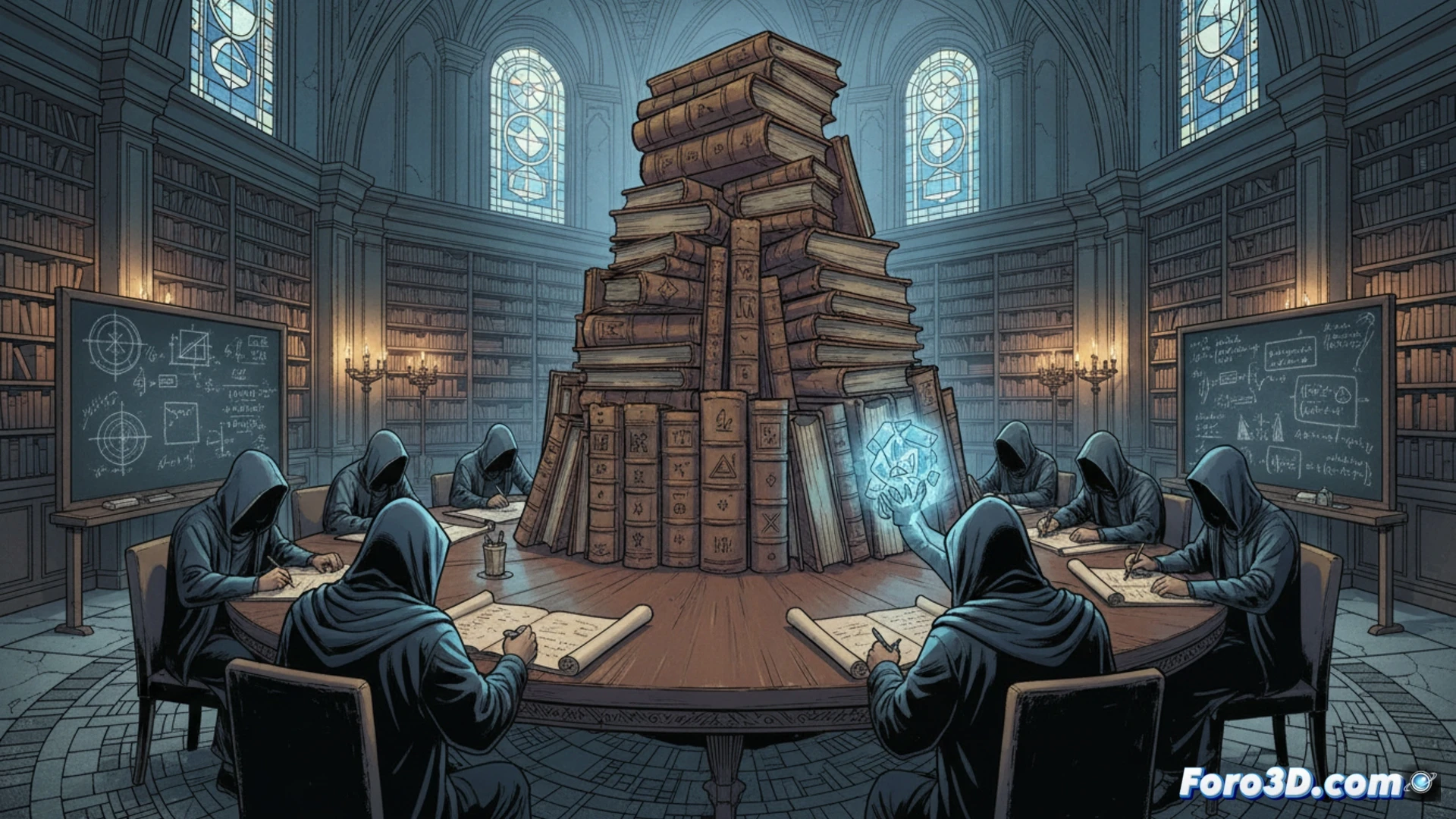
The algorithm of abstraction: how Bourbaki structured knowledge 🧠
Bourbaki organized mathematics from its foundations, starting with set theory. Each volume followed a logical hierarchy: definitions, theorems, and proofs without concessions. This structure influenced the design of programming languages and databases. Their obsession with generality eliminated concrete examples, creating a text that many consider more of a manifesto than a practical manual.
The eternal promise of six books in one year ⏳
The original plan was simple: six books, twelve months, and everything resolved. Fifty years later, the project was still active, and the original members had aged or disappeared. The irony is that a secret society dedicated to mathematical clarity could not calculate the time of its own work. In the end, Bourbaki proved that even geniuses can fail at a simple sum.