The James Bond video game saga has always grappled with one problem: how to portray the spy without using a movie actor's likeness. EA tried it in 2001 with Agent Under Fire, using a facial model that vaguely recalled Pierce Brosnan without fully being him. The result was strange, a kind of body double that never quite fit. Now, IO Interactive is repeating the move with First Light, presenting Patrick Gibson as a young, talkative Bond, which has drawn criticism for his overly youthful appearance and his verbosity.
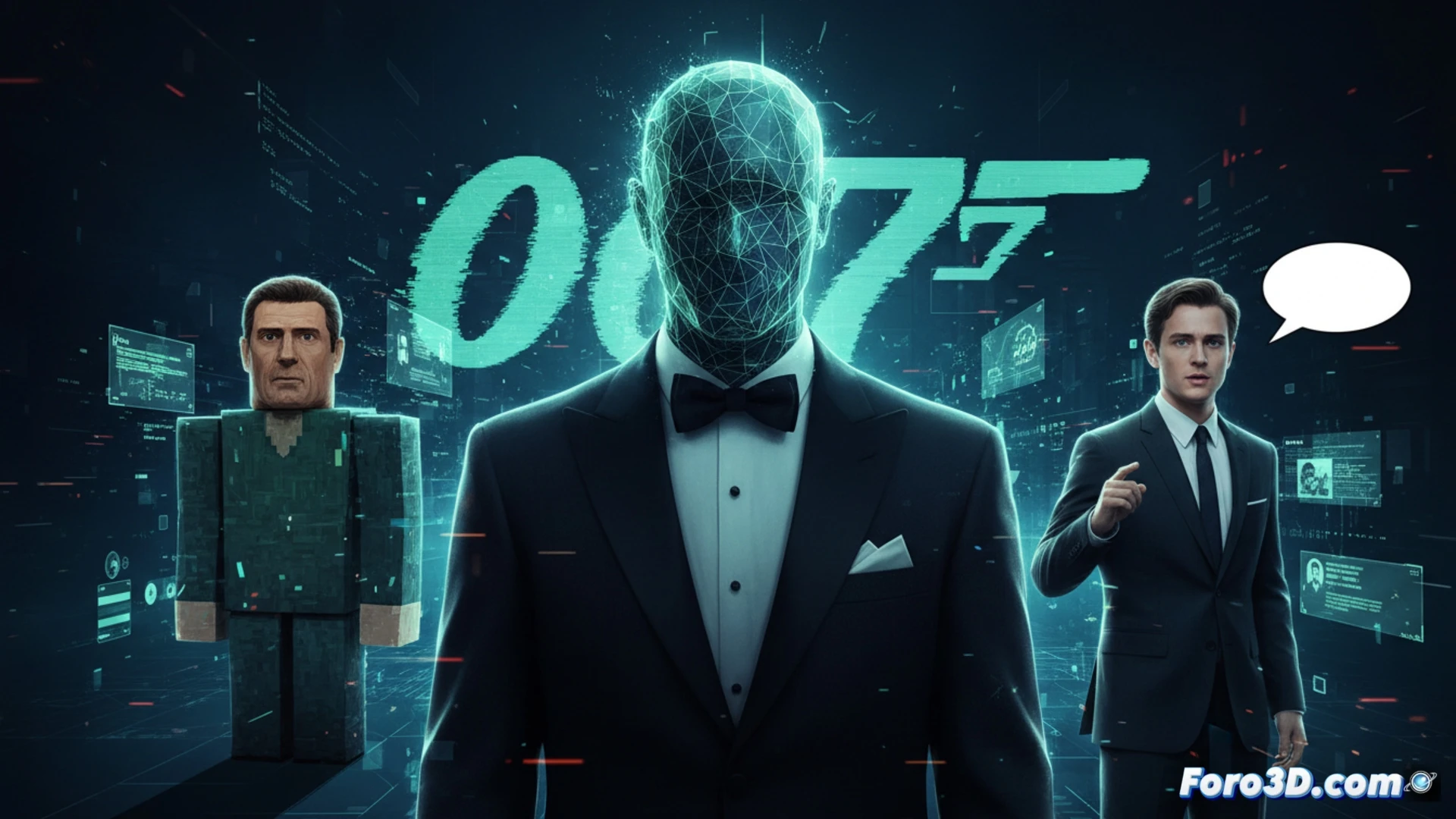
The Technical Challenge of a Bond Without Actor Copyright 🎭
The problem lies in the fact that Bond's identity is tied to his cinematic performers. Unable to license a specific actor's face, studios must create a generic model that attempts to capture the character's essence without looking like a cheap imitation. In First Light, Patrick Gibson is not only younger than any flesh-and-blood Bond, but his script defines him as anxious and loquacious, traits that clash with the archetype of the cold, calculating spy. Polygon noted that this Bond seems more like a nervous intern than a veteran agent.
Intern 007 Who Talks a Blue Streak 🗣️
Perhaps IO Interactive wanted to innovate, but the result is a Bond who seems to have come straight out of a casting call for a teen Netflix series. Not only does he look like his Aston Martin has been stolen, but he never stops spewing dialogue as if he'd downed three Red Bulls before every mission. If the character's essence is silence and a piercing gaze, this Bond is more like a YouTuber with a license to kill. At least, when stealth fails, he can always talk the enemy to death.