Drug trafficking takes advantage of ports with lax controls to move shipments. An operational measure proposes temporarily closing these hot spots during massive anti-drug operations. The idea is to cut the logistical routes of the cartels, forcing organizations to use more controlled routes or stop their shipments. This is a tactical blow, not a definitive solution.
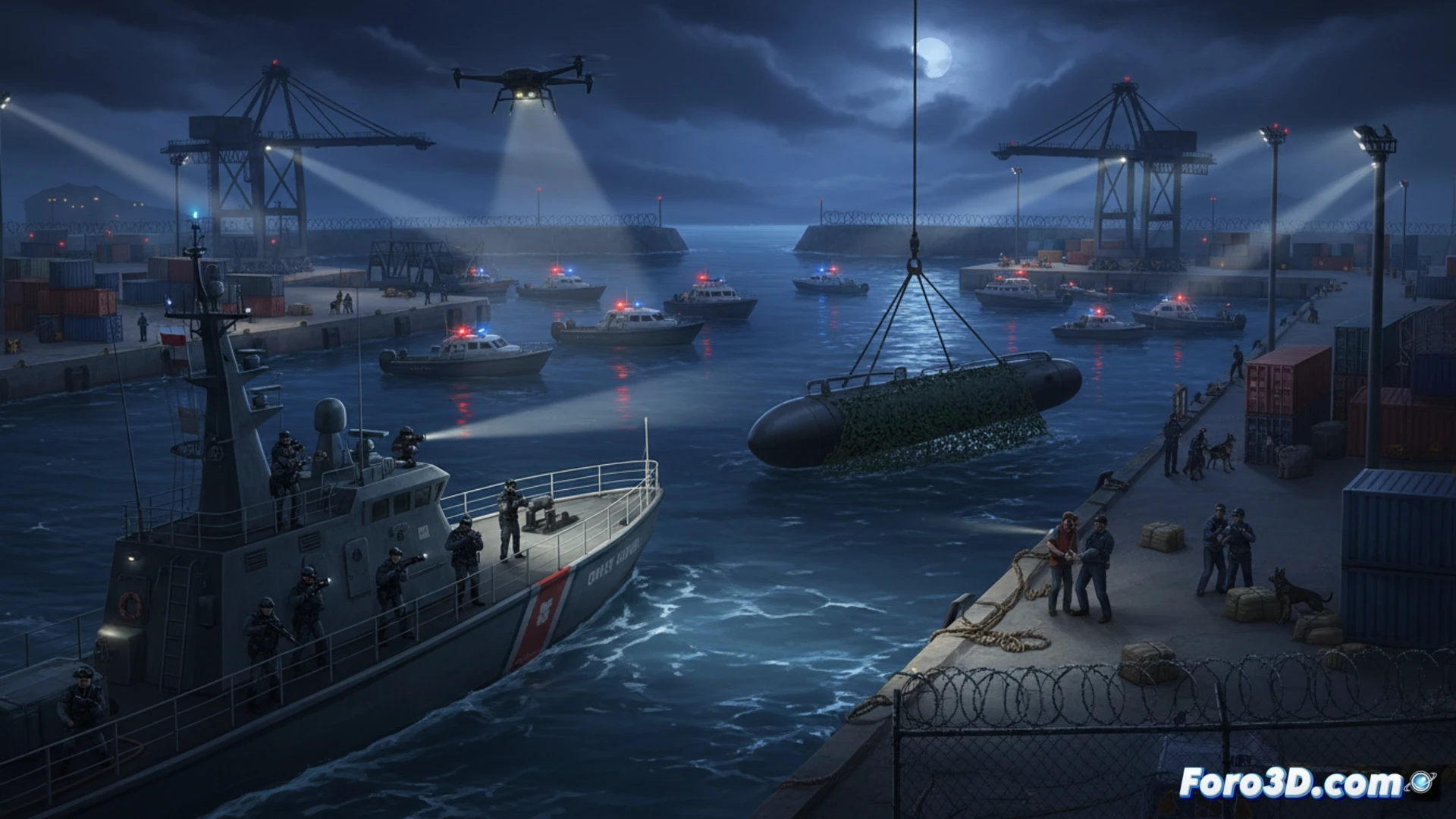
Blocking technology: satellite monitoring and digital sealing of docks 🛰️
The closure is executed through a system of digital geofences that block the issuance of cargo manifests in real time. It is combined with satellite surveillance and drones to track suspicious vessels. Selected ports are isolated from the national logistics system, preventing the entry of containers without prior verification. This forces operators to go through scanner filters and canine units before any movement. The system prioritizes ports with a high incidence of drug trafficking.
The cartel in dry dock: waiting for the storm to pass 🐬
The kingpins will have to improvise alternative routes, such as sending the merchandise by jet ski or hiring a messenger dolphin. Meanwhile, the closed ports will look emptier than a supermarket at rush hour. Smugglers, used to bribing guards, will now have to bribe the access control algorithm. Of course, when they reopen, they will surely find a bunch of lost packages with made-up addresses.