Artificial intelligence is advancing in protecting the average user against digital crime. Bitdefender has introduced Scamio, a conversational assistant designed to analyze suspicious messages, links, and screenshots. This tool uses an automatic detection engine for phishing and fraud patterns, offering instant verification aimed at restoring trust in an increasingly hostile online environment for the average citizen.
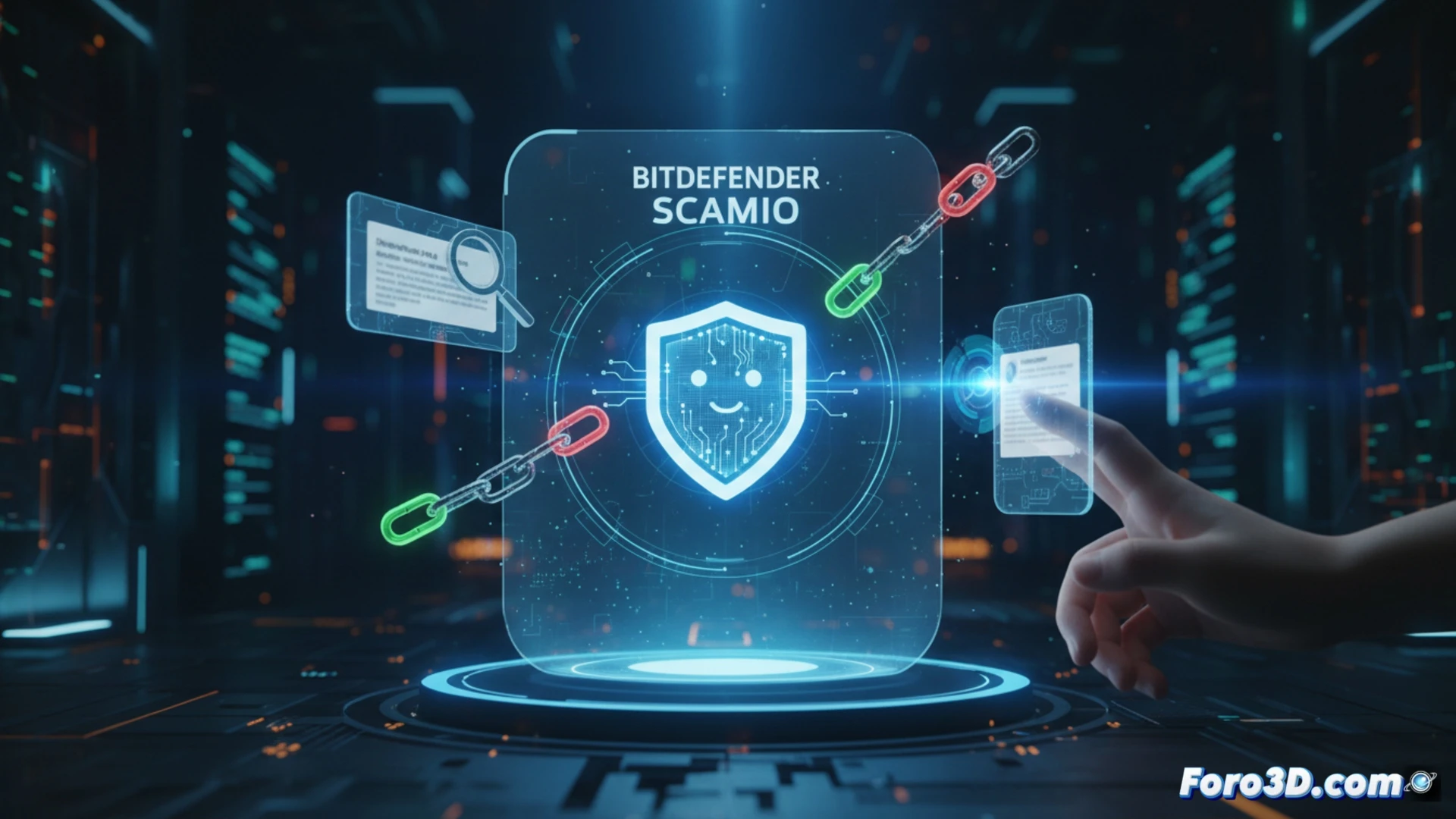
Detection architecture against phishing 🛡️
Scamio works by integrating the Bitdefender AI Threat Detection system, a model trained with millions of samples of scams and social engineering techniques. The user simply pastes suspicious text or shares a link in the conversational interface. The AI analyzes the message structure, identifies warning signs such as false urgency or malicious addresses, and returns a verdict in seconds. This process eliminates the need for the user to have technical knowledge, democratizing cybersecurity and adapting it to people's natural language.
Digital trust and algorithmic mediation 🤖
The emergence of Scamio reflects a social paradox: while distrust in digital environments grows, AI positions itself as the necessary mediator to restore citizen security. Bitdefender not only offers a technical antidote against fraud but also proposes a cultural shift. The tool turns verification into a daily act, similar to asking an expert, which could redefine how online communities manage information and combat malicious misinformation.
Considering that Bitdefender Scamio uses artificial intelligence to identify fraud, is it possible that this type of assistant might end up generating a false sense of security in users, making them more vulnerable to scams that AI has not yet learned to recognize?
(PS: at Foro3D we know that the only AI that doesn't generate controversy is the one that is turned off)