Exoskeletons and brain-computer interfaces promise to revolutionize human mobility. However, as Eliza Strickland points out in Biomedical Magazine, these technologies face their true challenge when leaving controlled environments. The question is not whether they work, but whether they survive the chaos of the real world.
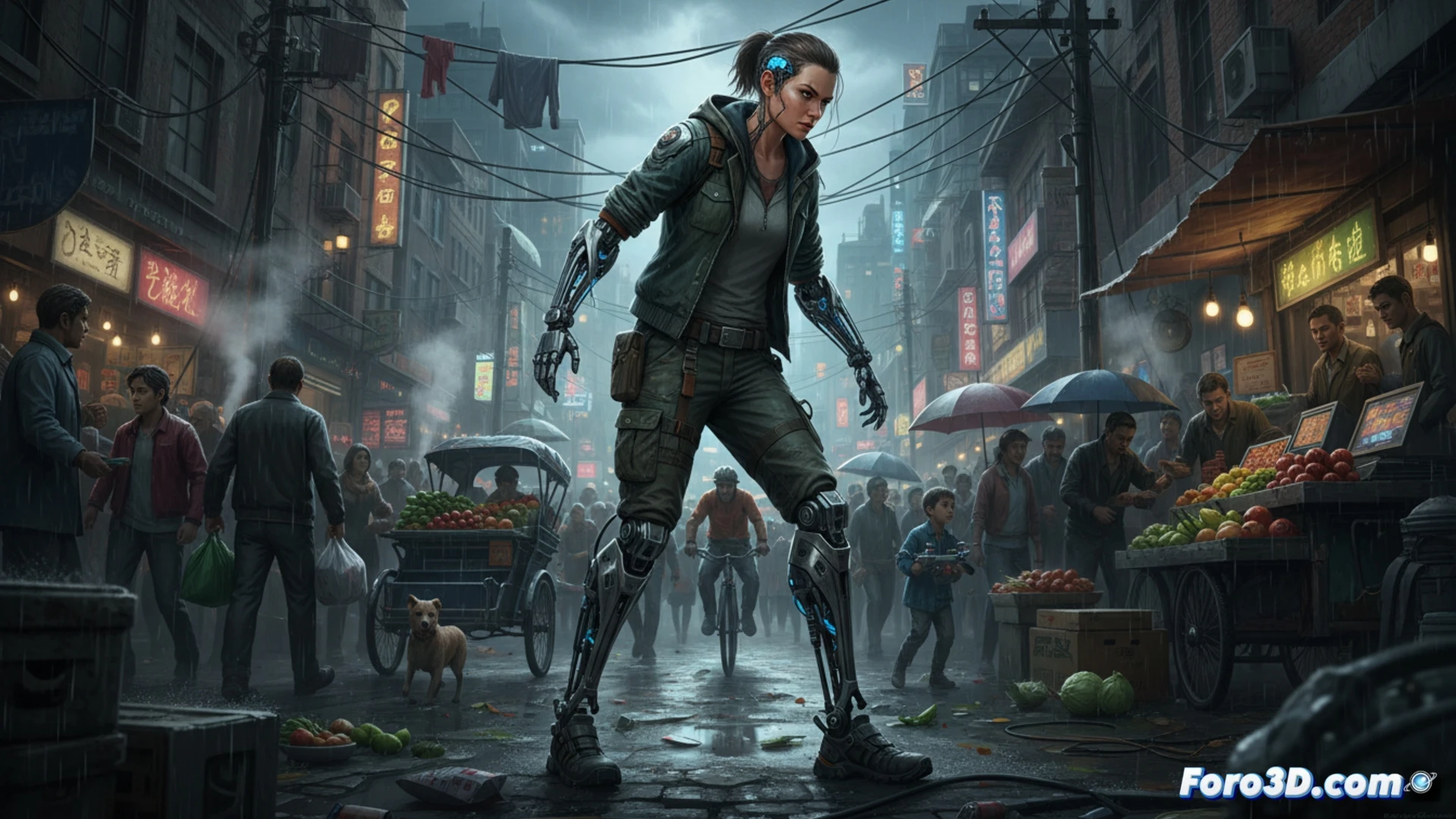
Interfaces that clash with reality 🤖
A perfect bionic arm in the lab can fail when grabbing a wet glass in a noisy kitchen. Brain-computer interfaces require constant calibration and poorly tolerate everyday electromagnetic interference. Furthermore, industrial exoskeletons, designed for repetitive movements, stumble on uneven surfaces. Robustness and maintenance remain pending issues.
The exoskeleton and the treacherous sidewalk 🦿
Seeing an exoskeleton prototype dance at a fair is nice. Watching it try to climb a wet curb on a rainy Monday is already comedy. Engineers forget that the real world has broken stairs, loose dogs, and children on scooters. Bionics is promising, but first it must learn not to fall flat on its face at the first bump.