3D technology has arrived in marine biology to stay. Nets and aquariums are no longer enough. With underwater scanners and modeling software, biologists can capture the exact shape of corals, sponges, or fish without harming them. This allows studying species in their natural habitat and generating digital replicas for research or outreach.
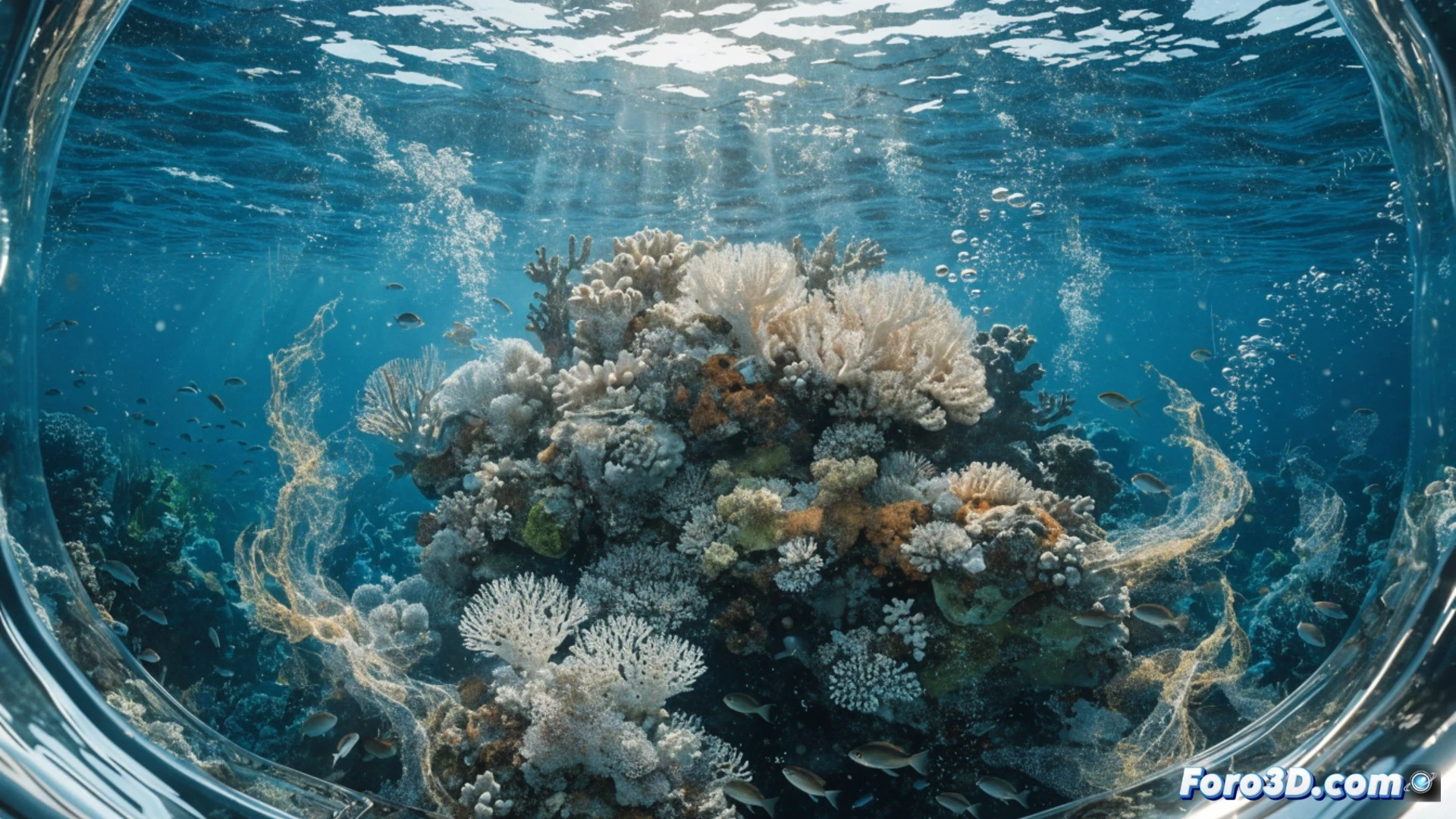
Photogrammetry and modeling for marine species 🐠
A clear example is the study of coral colonies. With an underwater camera and Agisoft Metashape software, dozens of photos are taken from different angles. The program reconstructs a high-resolution 3D model. Then, with Blender or MeshLab, variables such as volume, growth, or bleaching damage are analyzed. RealityCapture is also used for larger environments. All without touching the animal.
When your study fish is more famous than you 🐟
The downside is that now any biologist spends more hours rendering than diving. Your favorite clownfish ends up as a 3D model you share on Sketchfab while your colleagues ask if the scanner also detects your lack of social life. But hey, at least the coral doesn't complain about the overtime you put in.