Chinese researchers have developed a method to produce biohydrogen through fermentation that tackles two fronts at once: generating clean fuel and processing CO₂. They use special microorganisms that break down organic waste in an oxygen-free environment. Unlike traditional industrial hydrogen, which emits CO₂, this process incorporates the greenhouse gas to obtain a useful product, moving closer to carbon neutrality.
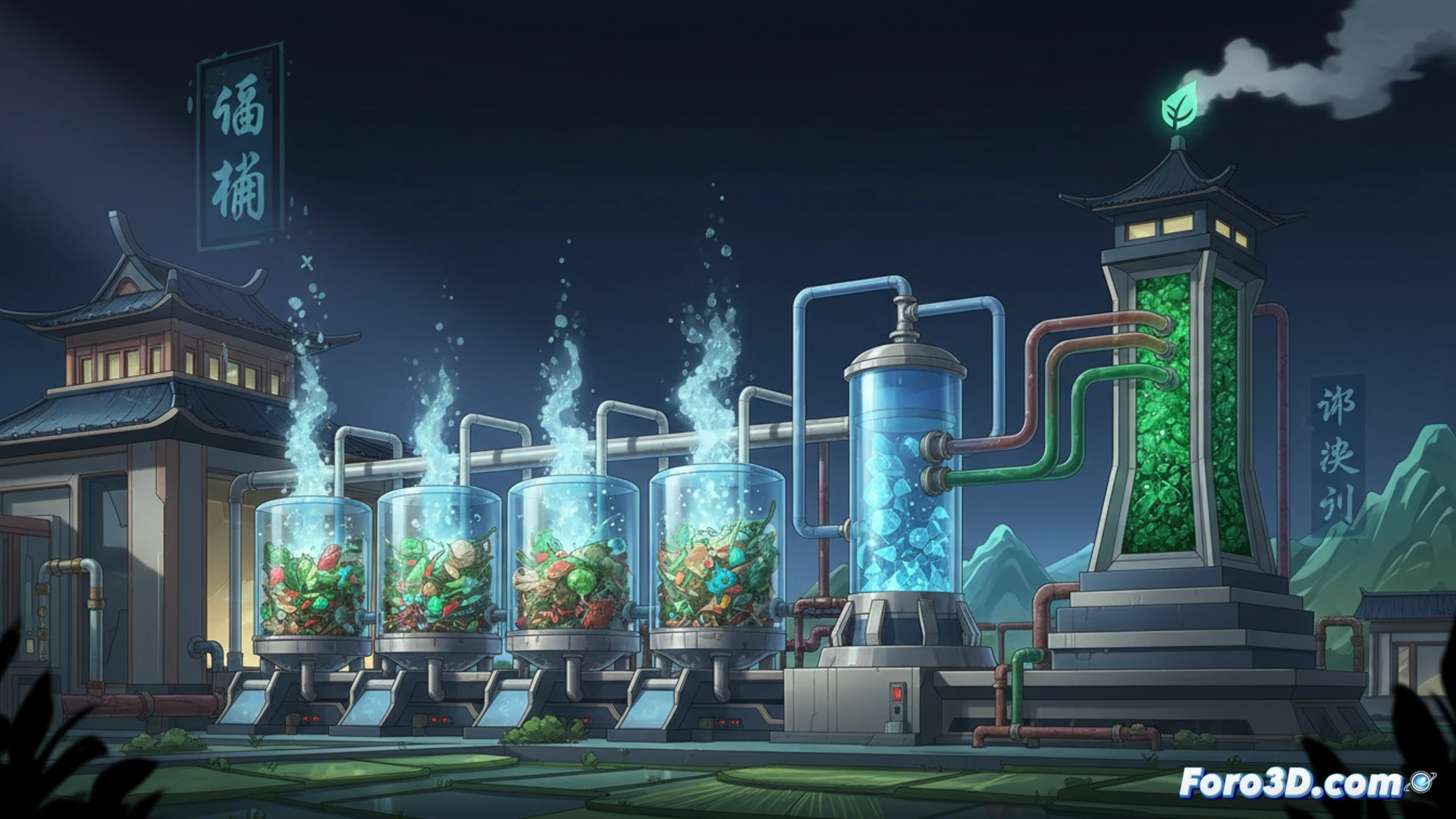
Combined fermentation: the biotechnological key to the process 🔬
The innovation lies in combined fermentation, where different microorganisms work in a chain to break down organic matter. Under anaerobic conditions, bacteria convert sugars and acids into hydrogen, while other strains capture the CO₂ generated and reincorporate it into the metabolic cycle. The result is a continuous flow of biohydrogen with no net emissions, using agricultural or food waste as a cheap and abundant raw material.
Green hydrogen that cleans while cooking its own dinner 🍽️
The best part is that these microbes not only work for free, but they also take the trash with them. While the traditional hydrogen industry burns natural gas and spews smoke into the sky, these little Chinese bugs gobble up the leftovers from your salad and burp out clean fuel. I wish my roommates were as productive and didn't leave dirty dishes around.