Benjamín Prado turns his personal experience into a testimony without self-pity. Through an intimate tone, he explores memory, the passage of time, and the fragility of the body. It is not a simple autobiography, but a reflection on how creativity confronts adversity. The author connects with the reader from a place of vulnerability, showing that art can be a refuge when life transforms.
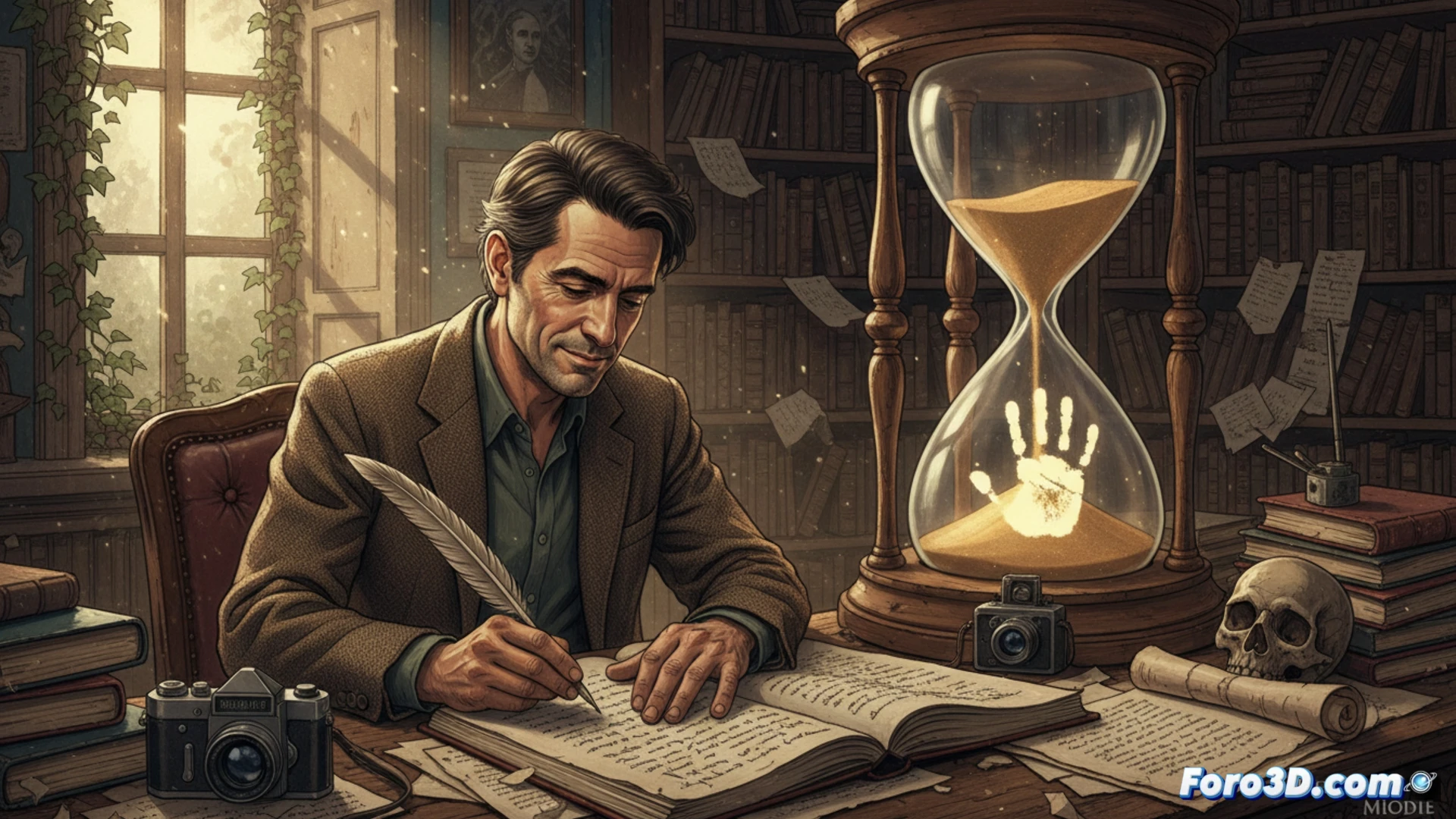
The creative process as a tool of resistance ✍️
Writing under pressure requires a robust mental structure. Prado does not rely solely on inspiration; he applies a work routine where discipline overcomes writer's block. Writing becomes an algorithm for emotional processing: fragments of memory are organized into paragraphs, pain is translated into metaphors, and uncertainty is encoded into chapters. It is a system for managing existential data, where each word is a backup of lived experience.
The beta version of the human body fails again 🧬
The author reminds us that our hardware comes without a warranty. While we wait for an update that never arrives, we have to deal with system errors like aging or illness. Prado, instead of complaining, decides to do debugging with ink and paper. In the end, the solution is not to reboot, but to write a user manual while the operating system still responds.