The Withings BeamO arrives as the first home multiscope that integrates a thermometer, digital stethoscope, ECG, and oximeter into a single portable device. From the perspective of public health and visual epidemiology, this tool allows capturing key vital signs at home and transmitting them to telemedicine platforms. Its compact design and connectivity make it an ideal remote sensor for monitoring vulnerable populations without the need for in-person visits.
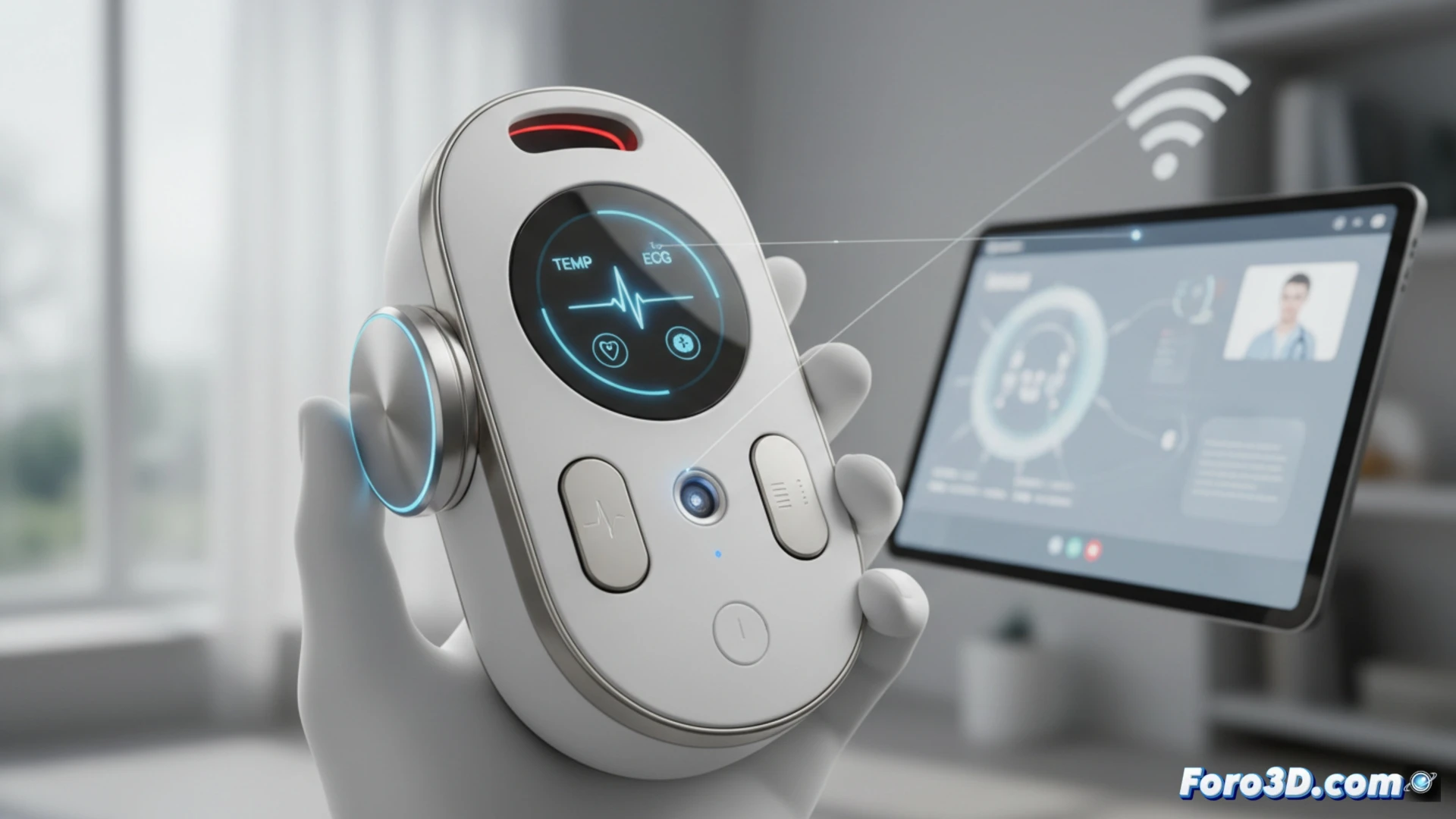
Data flow and 3D visualization of remote monitoring 🌐
The BeamO functions as a capture node that sends data on heart rate, temperature, oxygen saturation, and lung sounds to the Withings cloud. To understand its impact on public health, 3D visualizations can be generated representing the flow of information from the patient's home to epidemiological control centers. For example, a three-dimensional heat map could show the incidence of arrhythmias or respiratory infections in real time, overlaying BeamO data onto geographic models. This representation helps epidemiologists identify outbreaks or patterns of chronic diseases before they escalate.
Early detection and reduction of care gaps 🩺
The true value of the BeamO in public health lies in its ability to detect early signs of heart failure or obstructive respiratory diseases. By integrating its readings into telemedicine systems, automatic alerts can be triggered and patients can be referred to specialized care without delays. Visualizing this process in 3D, with interactive anatomical models showing the heart and lungs alongside device data, offers a powerful educational tool for doctors and patients, democratizing access to advanced monitoring.
How can a home telemedicine device like the Withings BeamO be integrated into visual epidemiological surveillance strategies for the early detection of outbreaks in remote communities?
(PS: the 3D incidence maps look so good that being sick almost feels enjoyable)