The British broadcaster BBC has organized a week of special programming to celebrate the centenary of naturalist David Attenborough. From May 8, viewers can enjoy episodes of series like Planet Earth II and documentaries that review his career. Attenborough, with his deep voice and endless curiosity, has been the gateway to biodiversity for millions of people. His legacy lies not only in the images, but in how he made the public connect with nature without the need for artifice.
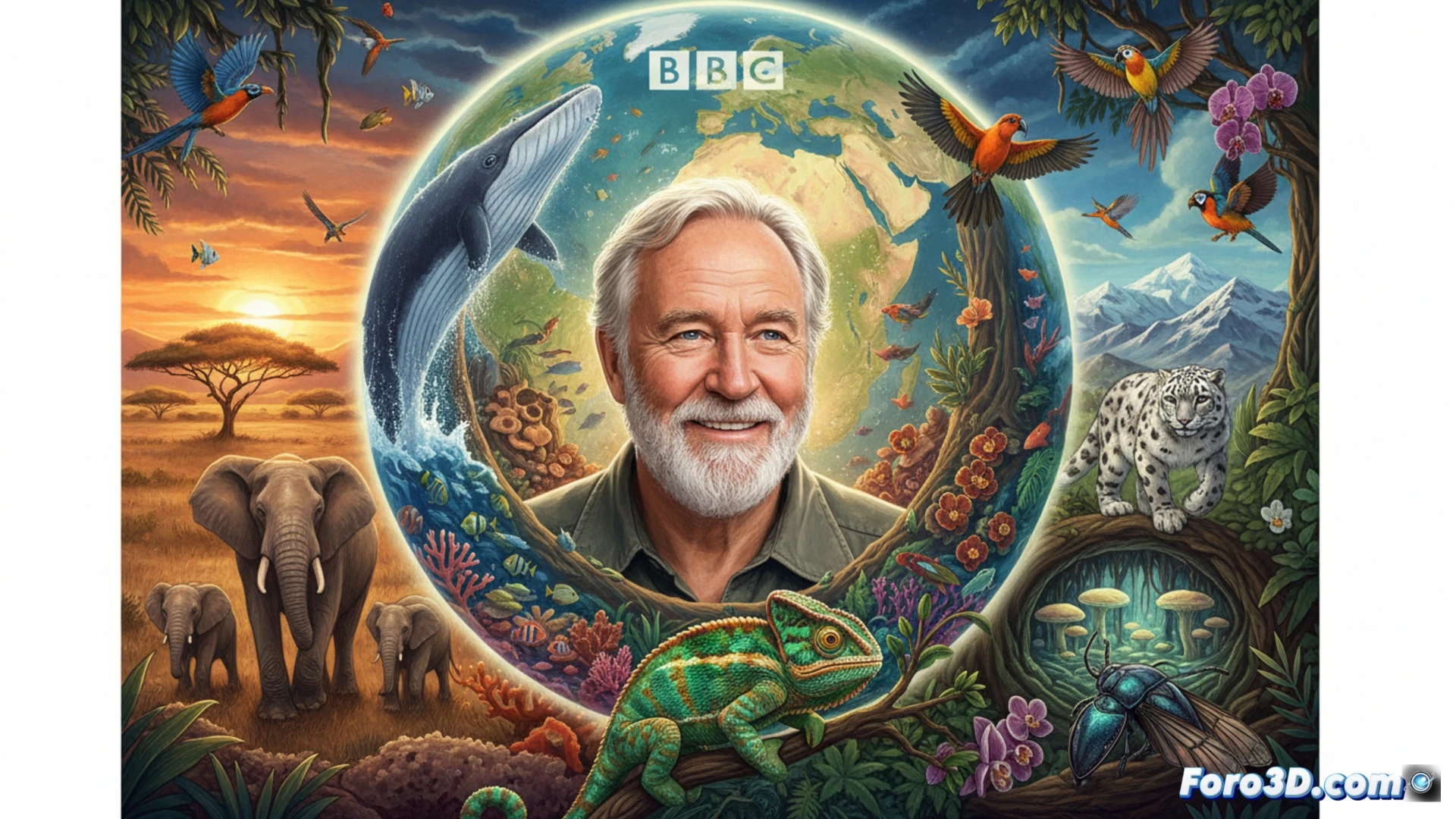
The technology behind Attenborough's gaze 🌿
To capture the shots that define his work, production teams have used high-sensitivity cameras, drones with advanced stabilization, and remote recording systems. In Planet Earth II, for example, robotic tripods and macro lenses were used to film never-before-seen animal behaviors. Digital editing allowed Attenborough's narration to be synchronized with sequences filmed over months. This combination of rugged hardware and post-production software has been key to conveying his message without relying on artificial effects.
Attenborough: the only one we forgive for talking during dinner 🍽️
Watching Attenborough whisper about a beetle's mating while you try to eat dinner is a classic. The BBC knows his voice is so hypnotic that you could listen to him read the shopping list. This week, fans can debate whether the documentary about penguins or polar bears is better for sleeping. Because, let's be honest, no one has skipped a nap with his calm tone. And if you deny it, you're lying.